Why Your International School Child Still Struggles with English (And How a Free Assessment Reveals the Hidden Gaps)

November 17, 2025

Introduction: The Puzzle Parents Can't Solve Alone


You've invested in an international school education. Your child sits in English-immersion classes every day. Yet when homework arrives, they freeze. Reading aloud becomes a battle. Writing assignments take hours with heavy parental support. The report card says "meeting expectations," but you know something isn't working.


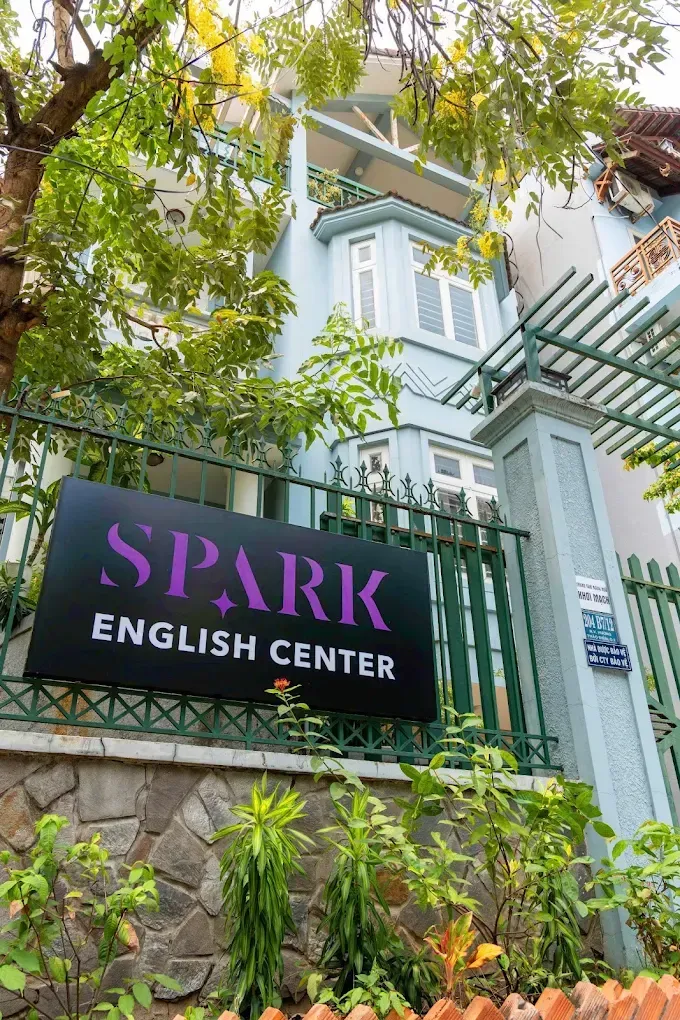
You're not imagining it, and you're definitely not alone. At Spark English Center Vietnam in Thao Dien, we work with dozens of Korean, Japanese, and Vietnamese families facing this exact frustration. The problem isn't your child's intelligence or effort—it's that specific, fixable skill gaps are hiding in plain sight.

The solution starts with one critical step: knowing exactly which skills are missing.


The Hidden Skills Traditional Schools Miss


International schools excel at curriculum coverage, but with 20+ students per class, teachers can't catch every micro-skill that affects reading success. Here's what typically goes undiagnosed:


Phonics and Decoding Gaps Many students who appear conversationally fluent can't break down unfamiliar words. They've memorized hundreds of sight words but lack the decoding patterns to tackle new vocabulary independently. Without this foundation, every reading assignment becomes guesswork.


Reading Fluency Deficits Fluency isn't just speed—it's the automatic, accurate recognition of words that frees mental energy for comprehension. Students reading below grade-level fluency targets (measured in words per minute) will struggle with complex texts no matter how smart they are.


Comprehension vs. Decoding Confusion Schools often test comprehension on texts read aloud by teachers. This masks whether students can actually decode and comprehend independently. A child might answer questions correctly when listening but fail when reading alone.


Academic Language Weaknesses Social English ("playground fluency") develops faster than academic English. Students may chat comfortably with friends but lack the vocabulary and sentence structures needed for science reports, math word problems, or literary analysis.


Oral Expression Gaps In large classes, shy or struggling students avoid speaking. Their expressive language—the ability to formulate and articulate ideas—lags behind receptive skills, limiting classroom participation and confidence.


Why Generic Tutoring Fails Without Diagnosis


Many parents try private tutors or homework help services. These approaches often disappoint because they address symptoms rather than root causes. Tutors work on current assignments without identifying whether the child lacks phonics skills, fluency automaticity, vocabulary depth, or grammatical foundations.

It's like treating a persistent cough without checking for asthma or allergies. You might suppress symptoms temporarily, but the underlying condition remains.


What a Professional Diagnostic Assessment Reveals


At Spark English Center Vietnam, our 45-60 minute diagnostic assessment maps your child's complete literacy profile across five critical domains:

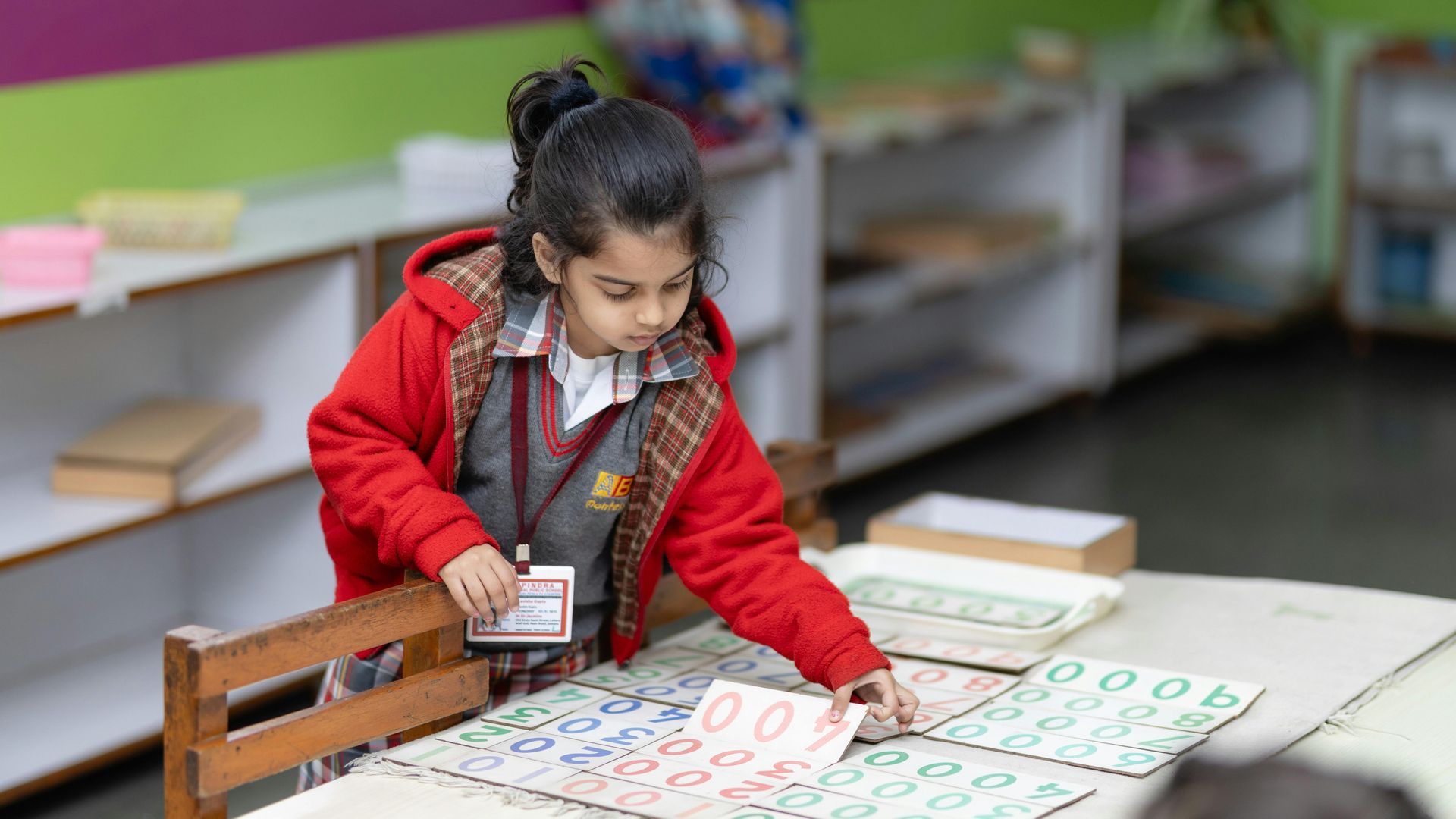
1. Phonics & Decoding Assessment We test letter-sound knowledge, common vowel patterns, consonant blends, syllable division rules, and multisyllabic word decoding. This reveals whether your child can tackle grade-appropriate texts independently.

2. Reading Fluency Measurement Using standardized passages, we calculate words per minute (WPM) and accuracy percentage. We compare results to grade-level benchmarks to quantify exactly how far ahead or behind your child is reading.

3. Comprehension Evaluation We assess both literal comprehension (who, what, when, where) and inferential comprehension (why, how, prediction, theme). We differentiate between listening comprehension and reading comprehension to isolate decoding issues.

4. Oral Language & Speaking Assessment Through conversation and structured prompts, we evaluate vocabulary range, sentence complexity, grammatical accuracy, and the ability to organize and express ideas clearly.

5. Writing Analysis We collect a short writing sample to assess sentence structure, grammar, vocabulary usage, organization, and the ability to develop ideas in written form.


From Assessment to Action: Your Child's Personalized Learning Plan


Within 24 hours of assessment, you receive a detailed one-page learning profile that includes:

  • Current performance levels in each domain
  • Specific skill gaps identified
  • Grade-level comparison benchmarks
  • Recommended intervention focus areas
  • 8-12 week improvement milestones
  • Suggested lesson frequency and home practice routine

This isn't a generic report. It's a roadmap showing exactly which skills need attention first and what measurable progress looks like.


Real Example: How Assessment Changed Everything for One Family


Case Study: Grade 3 Korean Student


Initial parent concern: "He can talk about video games for hours in English, but reading his school books takes forever and he doesn't understand what he reads."


Assessment findings:

  • Conversational vocabulary: Grade-appropriate
  • Phonics: Strong on single-syllable words, weak on multisyllabic decoding
  • Reading fluency: 45 WPM (grade target: 80-100 WPM)
  • Comprehension: Strong when text is read to him, weak when reading independently
  • Diagnosis: Decoding automaticity gap limiting fluency and draining comprehension capacity

Intervention focus:


  • 6 weeks of intensive syllable-division and multisyllabic decoding practice
  • Daily timed fluency drills with decodable texts
  • Small-group practice (4 students) with immediate corrective feedback


Results after 10 weeks:


  • Reading fluency improved to 78 WPM (+33 WPM gain)
  • Comprehension scores improved from 60% to 85%
  • Homework time reduced by half
  • Voluntary reading at home began
  • Classroom confidence visibly increased


The Spark English Center Vietnam Assessment Advantage


No Cost, No Obligation Our diagnostic assessment is completely free. You receive the full learning profile and recommendations whether or not you enroll in our programs.

Evidence-Based Tools We use research-validated assessment protocols aligned with international literacy standards, not informal checklists or generic placement tests.

Bilingual-Friendly Approach Our assessors understand the specific challenges Korean, Japanese, and Vietnamese learners face. We communicate findings in parent-friendly language and provide culturally relevant home-practice guidance.

Convenient Thao Dien Location Located in the heart of Thao Dien where most international school families live, our center offers after-school assessment slots that fit busy schedules.

Fast Turnaround Assessment, scoring, analysis, and report delivery happen within 24-48 hours. You get actionable information immediately, not weeks later.


What Happens After the Assessment?

You decide your next steps. Options include:


Option 1: Take the Report and Implement at Home Some families use our detailed recommendations to guide home practice, school advocacy, or tutor selection. The report alone provides valuable clarity.


Option 2: Targeted Intervention at Spark English Center Vietnam Most families choose our small-group or one-on-one programs because we've already identified exactly what their child needs. Programs include:

  • Phonics remediation blocks (4-8 weeks)
  • Fluency-building small groups (4-6 students)
  • Comprehensive literacy programs (reading, writing, speaking)
  • Academic English preparation for international school success


Option 3: Hybrid Approach Some families combine our intensive skill-building with school support, using our progress monitoring to ensure all efforts align.


Frequently Asked Questions About the Assessment


Q: How long does the assessment take? A: 45-60 minutes for the student, plus 15 minutes for parent consultation afterward.

Q: What should my child bring? A: Nothing. We provide all materials. Just bring your child ready to read, speak, and write.

Q: Is the assessment stressful for children? A: We design the session to feel like interactive activities, not testing. Most children enjoy the one-on-one attention and variety of tasks.

Q: What ages do you assess? A: We assess students from early elementary (Grade 1) through middle school (Grade 8). Different protocols are used for different age groups.

Q: Can you assess my child if their English is very weak? A: Yes. Our assessment scales to any English level. We identify what your child CAN do and build from there.

Q: What if my child already has school assessment data? A: Bring it! We'll review school reports and compare with our findings. Often, our assessment reveals skill gaps that school reports miss.


Take the First Step Today

Every week of delay means your child falls further behind peers who have solid foundational skills. Every frustrating homework session erodes confidence a little more. But you can change this trajectory starting this week.

The free diagnostic assessment at Spark English Center Vietnam gives you clarity, confidence, and a concrete action plan. No more guessing. No more generic solutions. Just targeted intervention based on your child's actual needs.

Book your free assessment now: https://www.sparkvn.com/Assessment


Location: Spark English Center Vietnam, Thao Dien, Ho Chi Minh City Contact: Visit our website for phone and email Serving: International school families throughout HCMC, specializing in Korean, Japanese, and Vietnamese learners

May 25, 2026
Everything parents need to know before moving to HCMC with children, from schools and English support to daily life and adjustment.
Children speaking
May 24, 2026
Worried about your child’s pronunciation? Learn how to correct it early before habits become permanent in HCMC.
May 22, 2026
Is Your Child’s Learning Trapped Inside a Box? Why Modern Students Need More Than Traditional English Classes in HCMC (Saigon) At Spark English Center Vietnam , we ask an important question: Why do so many students learn English the exact same way year after year… even when it clearly is not working? Why do so many programs still rely on: memorization without communication? worksheets without confidence? reading without comprehension? grammar without real-world use? For many children, learning becomes trapped inside a “box.” A system where: students copy teachers lecture mistakes feel dangerous creativity disappears and English becomes something to survive instead of enjoy But children today need something different. The world has changed. And education must change with it. The Problem With Traditional English Learning Many students are still taught as if success only comes from: repeating information memorizing vocabulary lists completing exercises mechanically following one “correct” pathway But language learning does not work the same way for every child. Some students learn best through: movement reading speaking writing games and interaction sound and rhythm Yet many classrooms still try to fit every learner into the same educational model. And when students struggle? They often start believing: 👉 “I’m bad at English.” When really… 👉 they may simply need a different approach. What “Out-of-the-Box” Learning Actually Looks Like At Spark, we believe strong education starts by asking: 👉 “What helps students learn best NOW?” Not: 👉 “How have we always taught this?” That shift changes everything. Reading Should Build Confidence—Not Stress Many children struggle because they are asked to read before they fully understand how English sounds work. At Spark, phonics and structured literacy help students: decode words confidently stop guessing while reading build fluency step by step This is especially important for students in international school English Vietnam , where reading demands increase quickly after lower primary years. Writing Should Feel Structured, Not Overwhelming Some students freeze the moment they see a writing task. Not because they lack ideas. But because the process feels too large. Spark helps students by: breaking writing into manageable steps teaching sentence and paragraph structure clearly reducing fear around mistakes When students understand the structure behind writing, confidence improves naturally. ESL Learning Should Prioritize Communication Many ESL learners spend years studying English… Yet still hesitate to speak. Why? Because they were trained to avoid mistakes instead of communicate. At Spark, students are encouraged to: participate actively speak before perfection build confidence through guided practice Because communication—not memorization—is the real goal. One Tool Can Teach Multiple Skills Effective education is not always about expensive technology. Sometimes it is about using familiar tools differently. A simple storybook can become: phonics practice pronunciation training vocabulary development speaking discussion writing inspiration Instead of separating every skill, Spark integrates them naturally. That creates deeper learning. Why Flexibility Matters in Modern Education Strong education should: adapt to students encourage curiosity connect learning to real life develop independent thinking Because children are not machines. They are learners with different strengths, personalities, and needs. A Question for Parents Think about your child’s current learning experience. Does it feel like: repetition without progress? homework without confidence? studying without real communication? If so, the issue may not be effort. 👉 It may be the system itself. The Spark Philosophy At Spark English Center Vietnam , learning is designed around how children actually develop language. Spark acts as: a structured support system a bridge to international school expectations a guide for long-term English development Through: phonics + structured literacy ESL support for international school students academic English pathways from foundation to IELTS small classes (maximum 6 students) Spark provides a premium English learning experience for families across HCMC (Saigon). Spark teaches the way native English-speaking parents teach their own children: 👉 through structure, communication, confidence, and meaningful interaction. Why This Matters for the Future The future will not reward students who only memorize information. It will reward students who can: communicate clearly think independently understand complex ideas adapt confidently That is why strong English foundations matter so deeply. Not just for school. But for life. FAQs Why do some children study English for years but still struggle? Because many programs focus heavily on memorization instead of communication, structured literacy, and confidence-building. What does “thinking outside the learning box” mean? It means adapting teaching methods to how children actually learn instead of forcing every student into the same rigid system. Can phonics really improve confidence? Yes. When children understand how English works, reading becomes less stressful and confidence grows naturally. Why do some students avoid speaking English? Often because they fear making mistakes or were not given enough structured speaking opportunities. What makes Spark different from traditional English centers? Spark combines phonics, structured literacy, ESL support, and academic English development in small-group classes aligned with international school expectations. Are games and interactive learning actually effective? Yes—when used purposefully. Interactive learning helps students engage emotionally and retain language more effectively. Is this approach suitable for international school students? Absolutely. Spark is designed specifically to support students preparing for or studying in IB, British, and American curriculum environments. Final Thought 👉 Education should not force every child into the same box 👉 It should help each child discover how they learn best If your child feels frustrated, disconnected, or stuck in English learning, the best step is to understand what they truly need. At Spark English Center Vietnam , the free assessment evaluates: reading and phonics foundations speaking confidence writing ability academic English readiness This helps parents clearly understand: 👉 what is holding their child back 👉 and how to support real progress 👉 Book your free assessment here: https://www.sparkvn.com/Assessment Serving international school families in HCMC (Saigon), Spark English Center Vietnam provides structured, premium English support that helps students move beyond memorization and develop real confidence, communication, and academic success.
May 21, 2026
Discover how small learning successes help children build lasting confidence in English learning in HCMC.
May 21, 2026
Compare the 5 best English centers in HCMC for international school students. Honest review of methods, class sizes, results. Why specialized literacy centers beat general English programs.
May 20, 2026
English skills can decline quickly without practice. Learn why consistent learning matters for students in HCMC.
May 20, 2026
Comprehensive guide to the 10 best international schools in Ho Chi Minh City for 2026. Compare curricula, fees, locations, and English requirements. Plus expert tips on supporting your child's success.
May 19, 2026
Discover the psychology behind strong readers, confident writers, and motivated English learners in HCMC.

May 19, 2026
Complete guide to international school success in Ho Chi Minh City. Why students struggle, what works, and how to get results fast. Expert support at Spark English Center Vietnam, Thao Dien.
May 18, 2026
Why do some ESL students stay quiet? Learn how Spark helps children in HCMC build real speaking confidence.
May 18, 2026
Complete reading fluency blueprint for HCMC families. Assessment, intervention, measurable results. Spark English Center Vietnam helps international school students become confident readers fast.

May 18, 2026
Complete guide to the 8 best bilingual schools in Ho Chi Minh City. Compare Vinschool, EMASI, BVIS, Wellspring, and more. Plus how to support bilingual learners' English skills.
May 17, 2026
Does your child forget English quickly? Learn why it happens and how to build lasting English skills in HCMC.
May 17, 2026
Discover the real reasons international school students in HCMC struggle with English. Plus proven solutions from Spark English Center Vietnam, Thao Dien. Get results fast.
May 16, 2026
How to choose an English center or tutor for your international school child in HCMC. Honest evaluation framework, questions to ask, red flags to avoid.
May 16, 2026
Confused about blending and segmenting? Learn the 2 key reading skills every child needs in HCMC.
May 15, 2026
Are sight words enough? Learn why children still struggle with reading—and what actually works in HCMC.
May 15, 2026
Essential guide for families moving to Vietnam with kids in 2026. Schools, healthcare, neighborhoods, English support, and survival tips for HCMC. Everything you need to know before relocating.
May 14, 2026
Compare the 5 best phonics-based English centers in Ho Chi Minh City. Why systematic phonics instruction matters and where to find quality programs in HCMC. Honest review for parents.


May 14, 2026
Specialist English tuition and academic support for international and bilingual school students in Thao Dien, HCMC. Small classes of six. CEFR-aligned, Phonics to IELTS.
May 14, 2026
Which reading method works best? Compare phonics vs whole language and what helps children succeed in HCMC schools.
May 13, 2026
What English level does your child need for IB or British schools in HCMC? A clear guide for parents.
May 12, 2026
Why do students struggle after entering international schools in HCMC? Learn the real reasons—and how to prevent it.
May 9, 2026
What reading skills should your child have before Grade 3? A clear guide for parents in HCMC.
May 8, 2026
Your child speaks English well—but struggles to read? Discover why this happens and how to fix it in HCMC with Spark.
May 7, 2026
Compare the 10 best summer school options in Ho Chi Minh City for 2026. From academic intensives to fun camps, find the right summer program for your child. Plus tips on avoiding the summer slide.
May 7, 2026
Getting ready for international school in Vietnam? Learn what your child really needs to succeed in HCMC.
May 6, 2026
What is the Science of Reading? A clear guide for HCMC parents to help children read, spell, and succeed in school.
April 29, 2026
See how phonics builds spelling, writing, and confidence for kids in HCMC—and why it matters for school success.
April 29, 2026
Struggling with igh, ay, oy? Learn why kids get confused and how to teach these sounds effectively in HCMC.
April 25, 2026
Confused about phonics? Learn what it is, why it matters, and how it helps children read English in HCMC.
April 25, 2026
Confused by English sounds? Learn the 44 sounds simply this Spark and how they help your child read and speak clearly in HCMC.
April 24, 2026
Your child studied English for years but still can’t read well? Discover why—and how to fix it in HCMC.
April 24, 2026
Struggling with reading or spelling? Discover 5 signs your child needs Spark English Center—not just more vocabulary.
April 23, 2026
Why do international school students in HCMC still struggle with reading? Discover the real causes and how to fix them early.
April 23, 2026
Should you self-study for IELTS or take classes? Learn the best strategy for students in HCMC to achieve a high band score.
April 22, 2026
Phonics or memorization—which helps your child read better in HCMC? Learn what actually works for international school success in Vietnam.
April 21, 2026
Why do some BIS students excel while others struggle? Learn the key difference parents in HCMC should know.
April 21, 2026
Explore what makes Spark English Center Vietnam unique and why families in HCMC choose it for international school English success.
April 20, 2026
Why do children forget English? Learn the real reason and how to help your child retain English skills in HCMC.
April 20, 2026
How many hours of English per week is enough? A practical guide for parents in HCMC with international school children.
April 19, 2026
Is speaking or writing more important? Learn what international school students in HCMC really need to succeed.
April 19, 2026
How long does it really take to become fluent in English? A realistic guide for parents of international school students in HCMC.
April 18, 2026
What level of English should your child have at each grade? A clear guide for parents in HCMC with international school students.
April 18, 2026
Do Vinschool students need extra English classes? Learn when additional support helps children succeed in HCMC.
April 17, 2026
Struggling with IB English at ISHCMC? Learn how to support your child’s reading, writing, and academic success in HCMC.
April 17, 2026
Struggling with IB English at ISHCMC? Learn how to support your child’s reading, writing, and academic success in HCMC.
April 16, 2026
Looking for the best English support for IB students in HCMC? Learn what actually helps students succeed academically.
April 16, 2026
Looking for English support for AIS students in Thảo Điền? Learn how to help your child succeed in international school.
April 15, 2026
Struggling with academic English in District 2? Learn how international school students can improve reading and writing.
More Posts