The Science Behind Learning a Language: What International School Parents in Vietnam Should Know
“My child understands English in class, but can’t always use it independently.”
This is a concern many parents in Ho Chi Minh City (Saigon) quietly share—especially those with children in international schools. The effort is there. The exposure is there. Yet progress feels uneven.
The reason often isn’t motivation or intelligence.
It’s that language learning follows specific scientific patterns—and when teaching doesn’t align with how the brain actually works, children struggle to retain and apply what they learn.
This article breaks down the science of language learning in a parent-friendly way, and explains what truly supports long-term English success.
How the Brain Learns Language: It Starts With Sound
Before children read, write, or speak confidently, the brain must learn to hear and process sounds accurately.
This skill is called phonemic awareness—the ability to notice and manipulate individual sounds in words.
When this foundation is weak:
- Children guess words instead of decoding
- Spelling feels random
- Reading requires more effort than it should
This is why phonics isn’t a “method trend.” It’s a neurological necessity.
Why Memorization Alone Doesn’t Stick
Many programs rely heavily on:
- Word lists
- Grammar rules
- Short-term drills
The brain may store this information temporarily, but without meaningful connections, it fades quickly.
Spaced repetition—revisiting skills over time—is far more effective than cramming. It strengthens neural pathways and helps information move into long-term memory.
This matters deeply for international school English in Vietnam, where academic demands build year after year.
Input Comes Before Output (And That’s Normal)
Parents often worry when children:
- Understand English but hesitate to speak
- Read well but write slowly
This isn’t a red flag—it’s how language develops.
The brain needs large amounts of input:
- Listening
- Reading
- Observing patterns
Before fluent output emerges.
Forcing speaking or writing too early can increase anxiety and reduce accuracy. Balanced instruction respects this natural sequence.
Grammar Is Learned Through Patterns, Not Rules
Children don’t become fluent by memorizing grammar definitions.
They learn grammar by:
- Hearing correct structures repeatedly
- Using language in meaningful contexts
- Noticing patterns over time
Rules can help clarify—but they don’t create fluency on their own.
This explains why many ESL students in international schools know grammar terms but struggle to apply them naturally.
Emotion and Learning Are Deeply Connected
The brain learns best when it feels:
- Safe
- Supported
- Calm
Stress triggers the brain’s defense systems, which block memory formation and reduce risk-taking.
Children who feel pressured often:
- Avoid answering
- Guess quickly
- Shut down when corrected
Confidence isn’t a “nice extra.” It’s a biological accelerator for learning.
Why Some Teaching Methods Work Better Than Others
Science consistently supports approaches that are:
- Structured (clear progression of skills)
- Multisensory (seeing, hearing, saying, doing)
- Interactive (thinking, explaining, applying)
This is why phonics-based, structured literacy remains the gold standard—especially for ESL learners.
International Schools Assume These Skills Are Already There
Many international schools in HCMC assume students can:
- Decode unfamiliar vocabulary
- Learn independently through English
- Understand instructions without simplification
When the science-based foundations aren’t in place, children work harder—but progress slower.
This gap is where many families seek ESL support for international school students.
How Spark Applies Learning Science in Practice
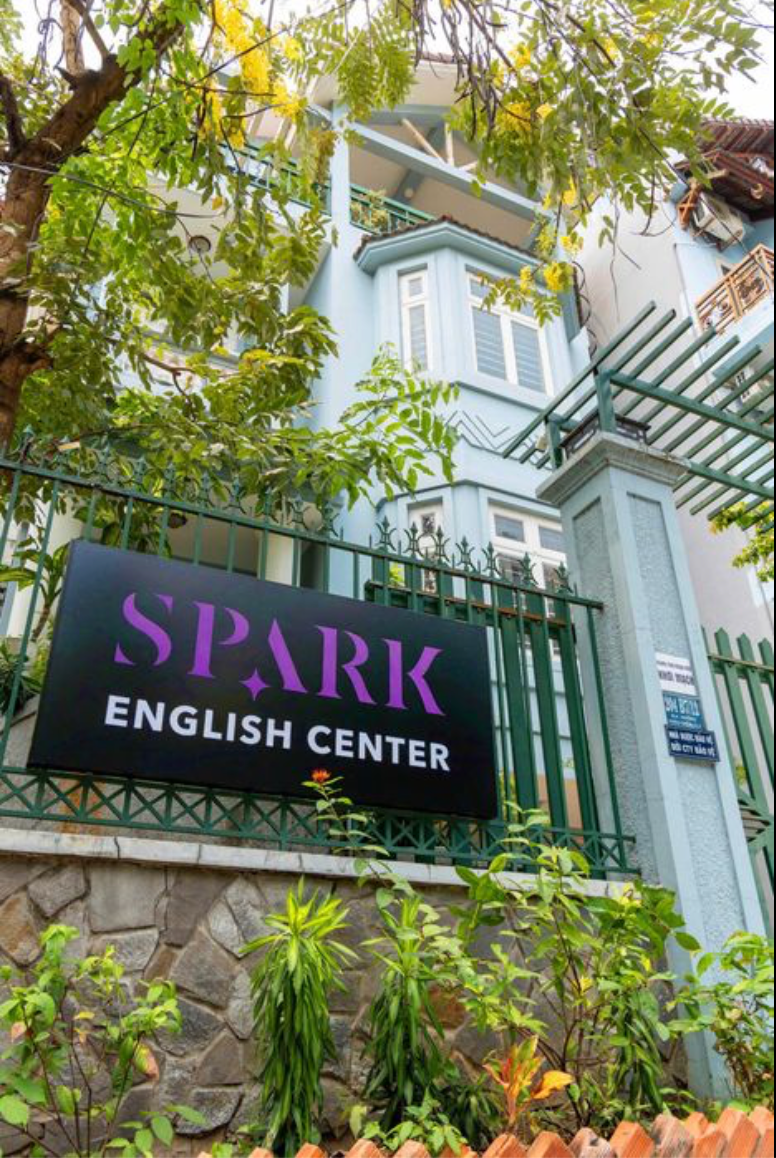
At Spark English Center Vietnam, teaching decisions are guided by how the brain actually learns language.
Spark focuses on:
- Phonics and sound-to-print accuracy
- Structured repetition that strengthens memory
- Small groups that reduce cognitive overload
- Encouragement that builds confidence, not fear
Serving families across HCMC (Saigon), Spark helps students move from exposure to real academic independence.
What This Means for Parents
If your child is:
- Working hard but not retaining
- Fluent orally but weak in reading or writing
- Confident in class but struggling independently
It’s not a lack of ability.
It’s often a mismatch between how they’re taught and how their brain learns.
Frequently Asked Questions
Is phonics still important for older children?
Yes. Gaps in phonics affect reading, spelling, and writing at all ages.
Why does my child forget what they learned last term?
Without spaced practice, the brain naturally discards unused information.
Should grammar be taught directly?
Grammar helps when paired with use—but rules alone don’t create fluency.
Why does my child freeze when corrected?
Stress blocks learning. Calm, clear feedback is far more effective.
Can this approach help with IB or British curriculum demands?
Yes. Strong foundations support comprehension, writing, and independent learning.
How do I know if my child’s struggles are foundational?
A proper assessment looks beneath grades and classroom performance.
Want to Understand How Your Child’s Brain Is Learning English?
At Spark English Center Vietnam, our free assessment goes beyond surface-level skills.
We check:
- Phonics and sound awareness
- Reading accuracy and comprehension
- Language confidence and independence
- Readiness for international school expectations
It’s:
- Free
- Clear
- No pressure
👉
Book your free assessment here:
https://www.sparkvn.com/Assessment
Spark English Center Vietnam proudly supports international school families across Ho Chi Minh City (Saigon)—using science, structure, and care to help children truly learn English, not just memorize it.