Guiding Homework Without Giving the Answers: A Parent’s Guide for International School Families in HCMC
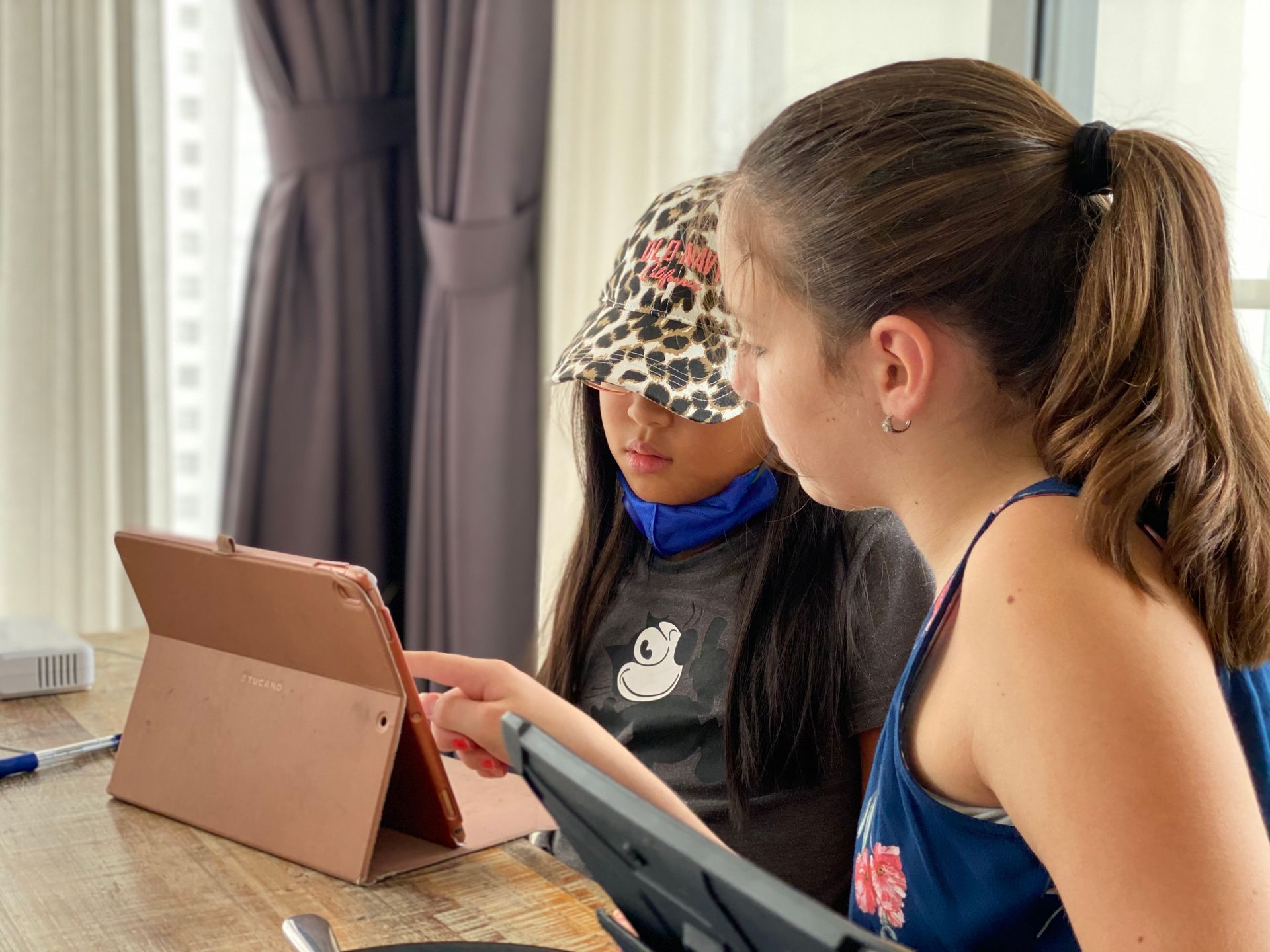
Homework time can quietly become one of the most stressful parts of family life—especially for parents of children in international schools.
You want to help.
Your child looks stuck.
The clock is ticking.
And before you realize it, you’re explaining, correcting, or even doing the work for them.
If this feels familiar, you’re not alone.
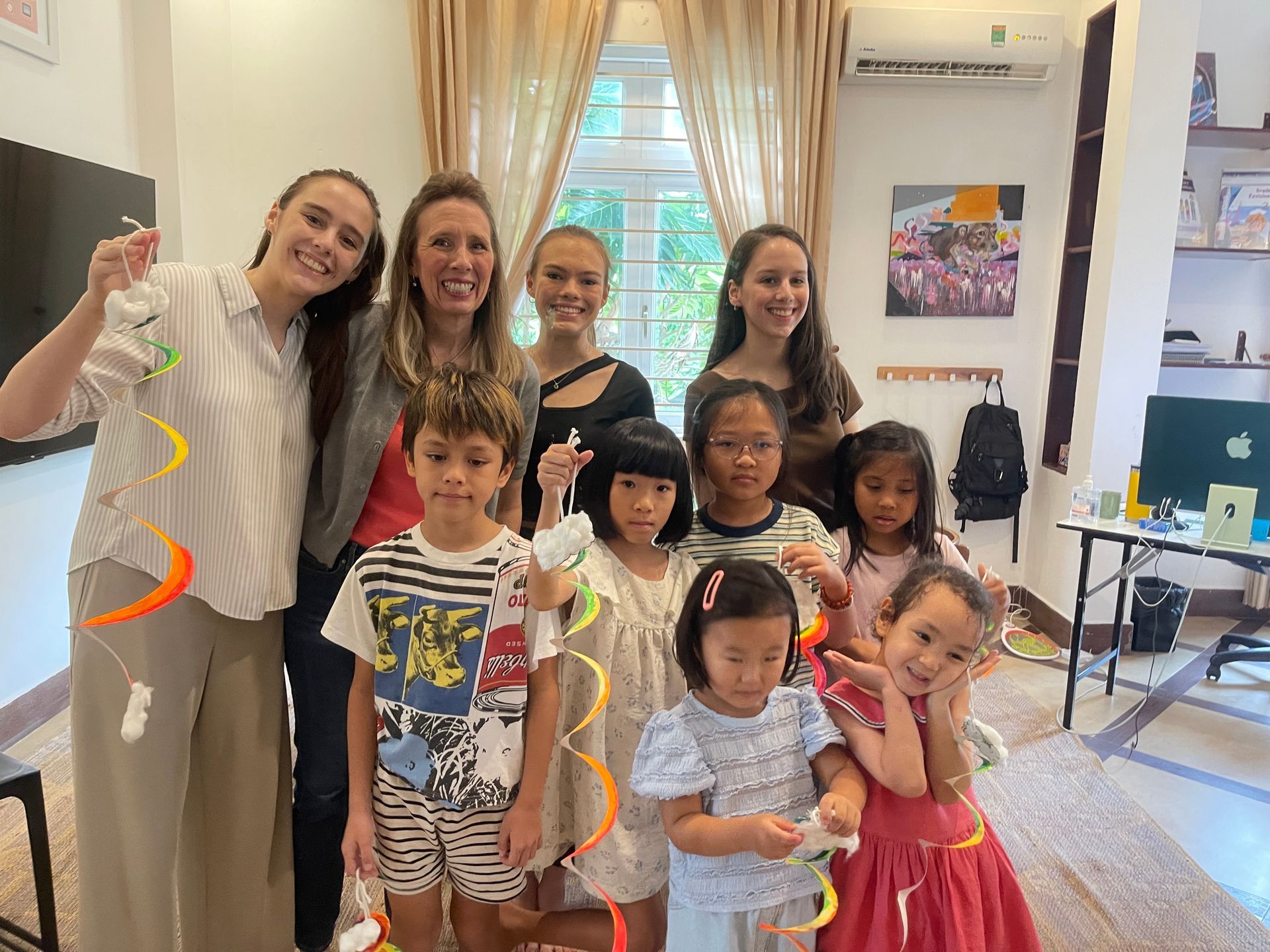
At Spark English Center Vietnam, parents across Ho Chi Minh City (Saigon) raise the same concern: “I help so much… but I’m worried my child isn’t actually learning.”
This article will help you understand how to guide homework without giving answers, why this matters deeply for international school success, and how the right kind of support builds confidence, independence, and real English ability that lasts.
Why Parents Feel Forced to Step In (And Why It’s Not Your Fault)
International schools move fast.
Classes assume:
- Strong English comprehension
- Independent task management
- Confidence explaining ideas in English
For many ESL students in Vietnam, Korean, or Japanese families, that expectation creates pressure at home.
When a child struggles to:
- understand written instructions
- express ideas clearly
- decode unfamiliar words
parents naturally step in to “save time” or “avoid frustration.”
The problem isn’t helping. The problem is helping in ways that remove thinking from the child.
The Parent Dilemma: Help vs. Take Over
Most parents fall into one of two patterns:
❌ Over-helping
- Explaining every step
- Correcting sentences word-for-word
- Giving answers to “keep things moving”
❌ Under-helping
- Saying “figure it out” with no guidance
- Walking away when frustration rises
- Letting homework become a daily battle
Neither builds strong learners.
What children actually need is guided support, not answers.
Productive Struggle: Why Mistakes Matter More Than Speed
Research in learning science shows something powerful: Children build stronger neural connections when they struggle productively.
That means:
- Thinking through mistakes
- Trying multiple approaches
- Explaining ideas imperfectly
When parents remove struggle entirely, children may finish homework faster—but they lose the chance to build real understanding.
At Spark, we often explain it this way:
Struggle is not failure. It’s learning in progress.
What Productive Struggle Looks Like at Home
Productive struggle is supported, not overwhelming.
Signs you’re on the right track:
- Your child is thinking, not freezing
- They can explain part of their reasoning
- They attempt, revise, and try again
Signs struggle has turned unproductive:
- Tears or shutdown
- Total confusion
- Avoidance or refusal
Your role is to guide the thinking, not remove it.
Guiding Questions That Build Thinking (Instead of Giving Solutions)
One of the most effective tools parents can use is questions.
Instead of: “The answer is…”
Try:
- “What do you notice here?”
- “What part do you understand already?”
- “What could you try next?”
- “Does this remind you of something you’ve done before?”
These questions:
- Keep ownership with the child
- Encourage language use
- Build confidence explaining ideas in English
This approach aligns closely with how international school teachers assess learning—not just correctness, but reasoning.
Breaking Tasks Down: Reducing Overwhelm Without Doing the Work
Many homework meltdowns aren’t about ability—they’re about overwhelm.
Large tasks feel impossible when children don’t yet have strong planning skills.
Parents can help by chunking, not solving.
For example:
Instead of: “Finish your writing assignment.”
Try:
- “Let’s read the question together.”
- “What is it asking you to do?”
- “Let’s plan three ideas.”
- “Now write just the first sentence.”
You’re supporting the process, not content.
This is especially important for ESL students whose cognitive load is higher because they’re working in a second language.
Modeling Thinking Aloud (Without Doing the Homework)
Children don’t naturally know how to think through problems.
One powerful strategy is thinking aloud—on a different example.
For instance: “If I were answering this, I might first underline the key words. Then I’d ask myself what the question wants. I’m not sure yet, but I’d try…”
This shows:
- How adults handle uncertainty
- That not knowing immediately is normal
- That effort matters more than speed
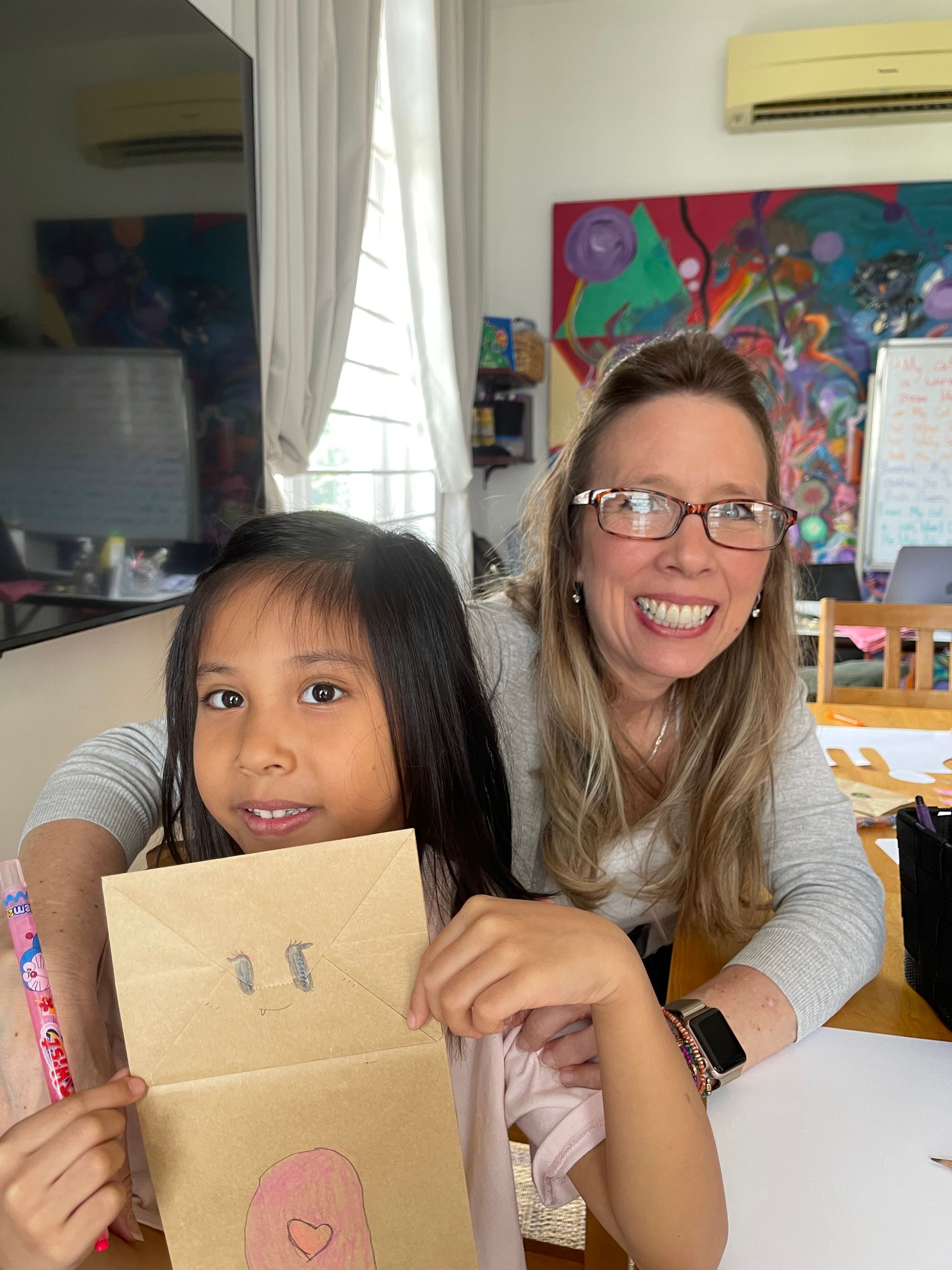
At Spark English Center Vietnam, teachers model this constantly—especially during reading, writing, and phonics-based tasks.
Homework as a Tool for Independence, Not Perfection
In international schools, long-term success depends on:
- Self-management
- Confidence speaking and writing
- Willingness to attempt challenging tasks
Homework isn’t about perfect answers.
It’s about helping children learn to:
- manage difficulty
- explain thinking
- persist without constant reassurance
When parents guide without taking over, children slowly begin to trust themselves.
That trust shows up later in:
- class participation
- assessments
- interviews
- independent reading and writing
Why ESL Students Need Extra Structure (Not More Pressure)
Many international schools assume children receive outside English support.
This is rarely stated clearly, but it’s real.
Without structured ESL or phonics support:
- Homework becomes harder
- Parents compensate at home
- Children rely more on adults than skills
At Spark English Center Vietnam, students learn:
- phonics and decoding (so reading becomes independent)
- sentence structure for writing
- how to explain ideas clearly in English
- how to approach tasks step-by-step
This reduces homework stress—for both children and parents.
How Spark Supports Homework Independence
Spark works alongside international schools by:
- building foundational English skills schools assume
- strengthening phonics for reading and spelling
- teaching structured writing
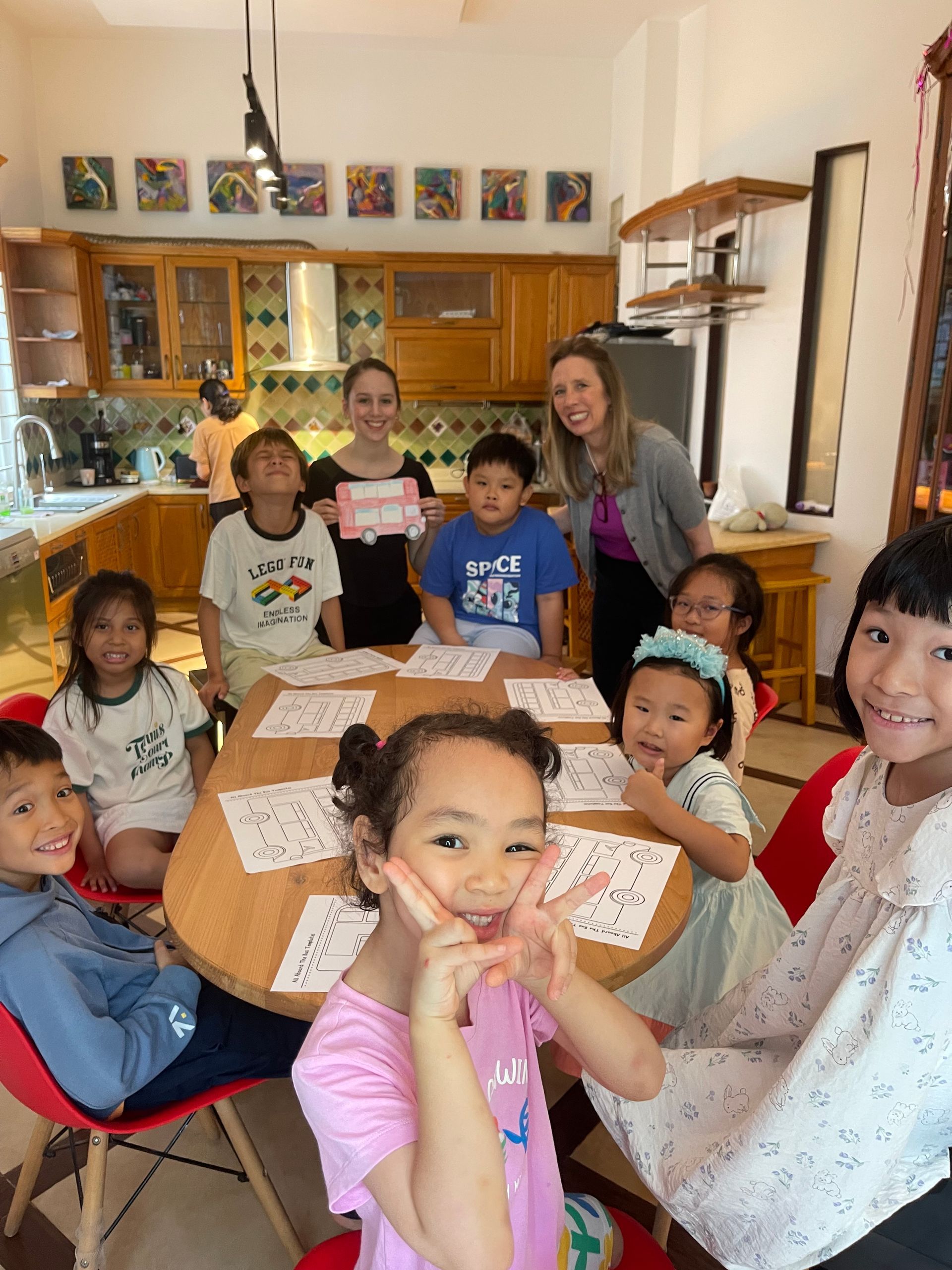
- using small-group instruction
- providing clear learning pathways
Parents across HCMC (Saigon) often tell us: “Homework time is calmer now. My child thinks before asking for help.”
That’s the goal.
Frequently Asked Questions from Parents
Does my child still need English support if they’re already in international school?
Yes. Many international schools expect ongoing external support, especially for ESL students, even after acceptance.
How long does it take to see improvement?
Many children show increased confidence and independence within a few weeks, with deeper academic improvement over several months.
Is phonics still important after Year 2?
Absolutely. Gaps in phonics often appear later as spelling, reading comprehension, and writing struggles.
What if my child is shy or avoids speaking?
Structured, supportive environments help shy children gain confidence without pressure.
Can this approach help with IB preparation later?
Yes. IB success depends heavily on independent thinking, language clarity, and explanation skills built early.
How much should parents help with homework?
Enough to guide thinking—but not so much that the child stops thinking for themselves.
A Clear Next Step: Free English Assessment
At Spark English Center Vietnam, we offer a free, no-pressure English assessment to help parents understand exactly where their child needs support.
Our assessment checks:
- Phonics foundations
- Reading accuracy and fluency
- Spelling patterns
- Writing readiness
You’ll receive:
- Honest feedback
- Clear explanations
- Practical next steps
👉
Book your free assessment here:
https://www.sparkvn.com/Assessment
Spark English Center Vietnam proudly supports international school families across Ho Chi Minh City (Saigon)—helping children build English skills, confidence, and independence that truly last.
To learn more about
ESL Support for International School Students in Vietnam,
click here