How to Tell If Your Child Needs Extra English Support—Even in an International School
Many parents in Ho Chi Minh City (Saigon) assume one thing:
“My child is in an international school, so their English should be fine.”
And for some children, that’s true.
But for many others—especially Vietnamese, Korean, and Japanese students—that assumption quietly breaks down over time.
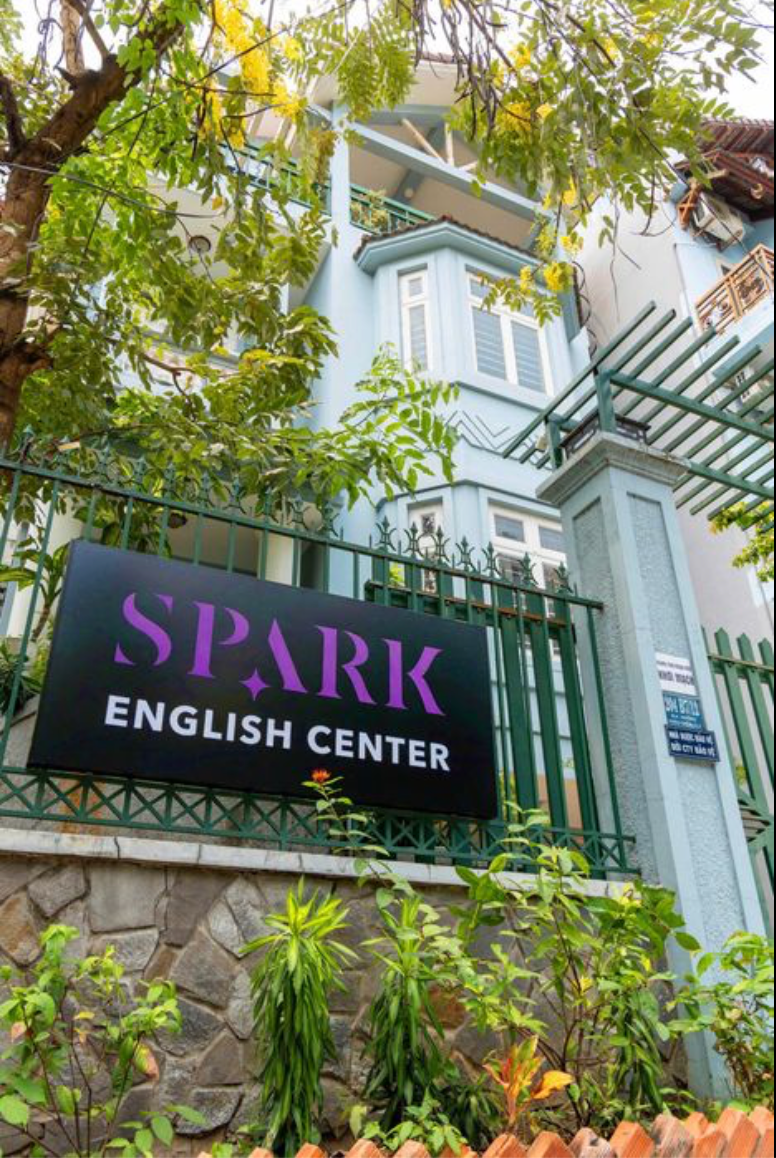
At Spark English Center Vietnam, we regularly meet parents who say:
- “My child seems okay… but something feels off.”
- “The teacher hasn’t complained, but my child is stressed.”
- “They understand some things, but not everything.”
- “Homework takes forever.”
If you’re unsure whether your child needs extra English support, this checklist will give you clarity.
First: Being in an International School ≠ Being English-Ready
International schools move fast. Teachers assume:
- Students can follow instructions independently
- Reading happens without constant support
- Writing ideas can be expressed clearly
- Speaking up is expected
Many children survive in this environment—but don’t truly thrive.
The key question isn’t:“Is my child passing?”
It’s: “Is my child confidently keeping up?”
The English Readiness Checklist
(If you answer “yes” to 2 or more, support is recommended)
✅ 1. Homework Takes Much Longer Than It Should
Does your child:
- Spend 2 hours on homework meant to take 30–45 minutes?
- Constantly ask for explanations?
- Get tired or emotional during English-heavy tasks?
👉 This often means they are decoding language, not learning content.
✅ 2. Reading Looks Like Guessing
Watch your child read:
- Do they rely on pictures?
- Skip or replace unfamiliar words?
- Avoid reading aloud?
These are signs of weak phonics and decoding, even if they “recognize” some words.
✅ 3. Writing Is Short, Simple, or Avoided
Common red flags:
- Very short sentences
- Repeating the same words
- Copying from examples
- Saying “I don’t know what to write”
This usually points to gaps in:
- Vocabulary
- Sentence structure
- Confidence using English independently
✅ 4. They Understand Teachers… Only Sometimes
Parents often hear:
- “I understand, but not everything.”
- “The teacher talks too fast.”
- “I get lost sometimes.”
Missing some instructions consistently adds up—and leads to falling behind.
✅ 5. Your Child Is Quiet in Class
Being shy is normal—but persistent silence isn’t.
Warning signs:
- Rarely volunteering answers
- Avoiding group discussions
- Letting others speak for them
This often reflects language insecurity, not personality.
✅ 6. Reading and Writing Progress Has Plateaued
Ask yourself:
- Has reading speed improved recently?
- Is writing more complex than last year?
If progress has stalled despite time and effort, your child likely needs structured intervention, not more exposure.
✅ 7. Your Child Says “I Don’t Like English”
This is one of the most important signals.
Dislike usually comes from:
- Repeated confusion
- Feeling behind peers
- Fear of making mistakes
English hasn’t failed your child—the support system has.
Why Schools Don’t Always Catch This Early
International schools:
- Focus on curriculum delivery
- Have large classes
- Expect outside support
- May not flag issues until gaps are large
By the time a teacher raises concern, the child is often already behind.
Early support is always faster, cheaper, and less stressful.
What the Right Extra Support Looks Like
Effective English support should include:
✔ Systematic Phonics
So your child can read accurately and independently—not guess.
✔ Small Classes
So every mistake is corrected and confidence grows.
✔ Academic English
So your child understands instructions, texts, and tasks used in school.
✔ Confidence-Building Practice
So English becomes usable—not intimidating.
This is exactly what Spark English Center Vietnam specializes in.
What to Do Next (Clear, Simple Steps)
Step 1: Get a Proper English Assessment
Not a generic placement test—but a diagnostic.
At Spark, we assess:
- Reading accuracy and fluency
- Phonics foundations
- Writing structure
- Speaking confidence
Step 2: Understand the Gaps
You’ll receive:
- Clear explanations
- No jargon
- Honest recommendations
Step 3: Support Early, Not Later
Short-term, targeted support now prevents:
- Long-term academic stress
- Confidence loss
- Emergency tutoring later
Book a Free English Readiness Assessment
If you’re unsure, clarity is the best first step.
👉
Free assessment for international school students:
https://www.sparkvn.com/Assessment
No pressure. No obligation. Just answers.
Spark English Center Vietnam
📍 Serving families across
Ho Chi Minh City (Saigon)
🎓 Specialists in English readiness for international schools
To learn more about Guiding Homework Without Giving the Answers, click here
To learn more about ESL Support for International School Students, click here