Raising a Confident English Learner in the Early Years: What International School Parents in Vietnam Should Know
“I know my child understands more than they say… but they’re afraid to speak.”
This is something we hear often from parents of young children in Ho Chi Minh City (Saigon)—especially families preparing for or already in international schools. The concern isn’t just about English ability. It’s about confidence.
And that concern is valid.
In the early years, confidence and language grow together. When one is shaky, the other often is too. The good news?
Confidence isn’t a personality trait a child either has or doesn’t have. It’s something that can be intentionally nurtured.
Why Confidence Matters More Than Early Accuracy
Many parents worry about mistakes—mispronounced words, incorrect grammar, hesitant answers.
But for young English learners, especially ESL students, confidence comes before correctness.
When children feel emotionally safe:
- They try unfamiliar words
- They take risks in speaking
- They stay engaged even when unsure
When they feel pressured:
- They go quiet
- They avoid answering
- They rely on memorisation or guessing
International schools often assume children will “pick it up naturally.” But without confidence, many don’t fully participate—no matter how much they understand.
The Early Years Set the Tone for Everything That Follows
Between ages 5 and 8, children are forming beliefs about themselves as learners.
Quiet beliefs like:
- “I’m good at English.”
- “I make too many mistakes.”
- “I don’t want to speak in class.”
These beliefs influence how they approach:
- Reading aloud
- Writing tasks
- Class discussions
- Feedback from teachers
Strong early experiences don’t just support current learning—they shape long-term academic identity.
Foundations That Build Confidence (Not Pressure)
Confidence grows fastest when children feel capable. And capability comes from strong foundations, not shortcuts.
For young learners, this means:
- Clear phonics knowledge to decode words independently
- Strong listening skills to follow instructions and stories
- Regular opportunities to speak without interruption or correction
When children can read a word on their own or express an idea clearly, confidence follows naturally.
This is why structured literacy—especially phonics—is so important in the early years of international school English in Vietnam.
Encouragement Works Better Than Correction
How adults respond matters more than how often children practice.
Helpful responses sound like:
- “I like how you tried that word.”
- “You explained your idea clearly.”
- “Let’s try it together.”
Less helpful (even when well-intentioned):
- Interrupting to fix mistakes
- Asking for repetition immediately
- Comparing to peers
Effort-focused encouragement teaches children that mistakes are part of learning—not something to fear.
Why Predictable Routines Build Brave Learners
Young children thrive on predictability.
Clear routines help them:
- Know what to expect
- Feel secure
- Focus on learning instead of worrying
This might look like:
- Regular reading times
- Familiar lesson structures
- Clear expectations for participation
When children know the “rules” of learning, they’re more willing to take risks within them.
Small Wins Are Not Small
Parents sometimes overlook progress because it doesn’t look dramatic.
But small moments matter:
- Speaking one extra sentence
- Reading without hesitation
- Writing independently
- Asking a question in English
These moments accumulate. Over time, they build a child who sees themselves as capable in English—not just compliant.
How Early Confidence Supports International School Success
International schools value:
- Participation
- Independent thinking
- Verbal expression
- Confidence in learning environments
Children who build confidence early:
- Engage more in class
- Handle feedback better
- Adapt faster to academic English demands
- Feel less overwhelmed as expectations increase
This is especially important for ESL students navigating English-medium education in HCMC / Saigon.
How Spark Supports Confident Early Learners
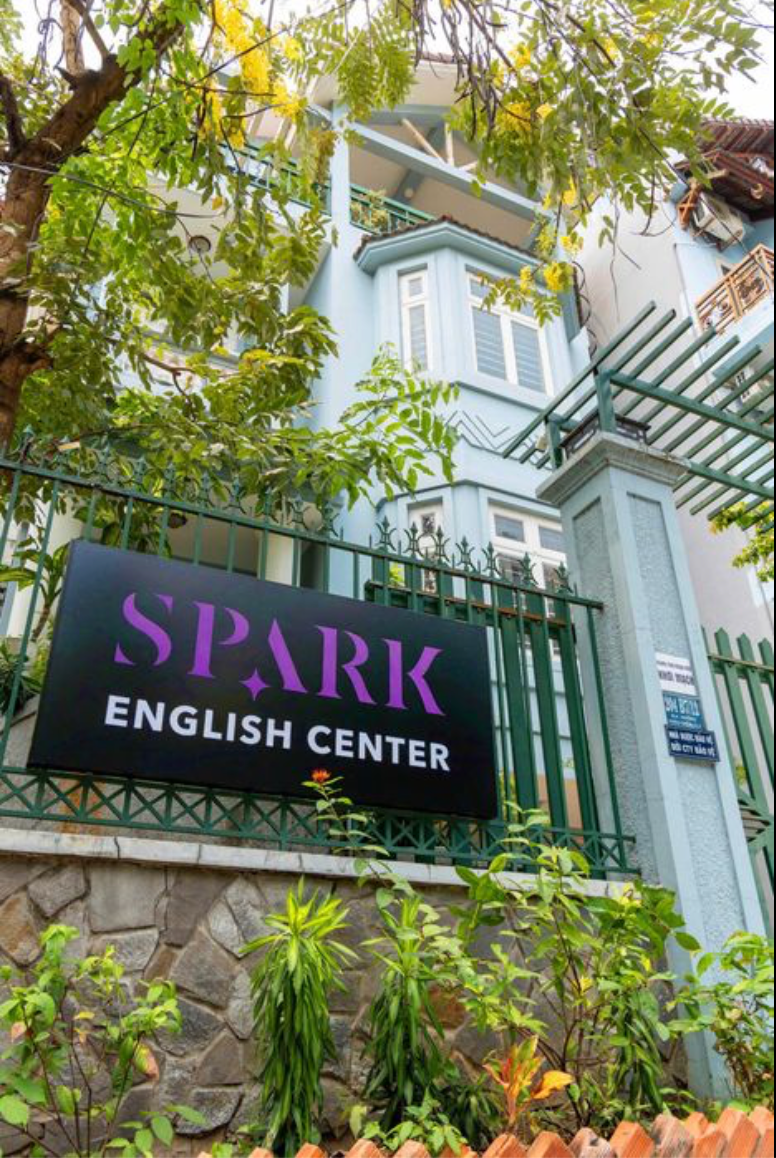
At Spark English Center Vietnam, we work with young learners by focusing on how they learn—not just what they learn.
Our approach:
- Builds phonics and structured literacy foundations
- Uses small groups to create emotional safety
- Encourages speaking without pressure
- Aligns with international school expectations
- Supports families across Ho Chi Minh City (Saigon)
We act as a bridge—helping children grow into confident English users before academic demands intensify.
Frequently Asked Questions
My child understands English but won’t speak. Is this normal?
Yes. Many ESL learners go through a silent phase. Confidence and safety help them move through it.
Should I correct my child’s English at home?
Focus on communication first. Too much correction can reduce confidence.
Is phonics really necessary in the early years?
Yes. Phonics gives children control over reading, which directly supports confidence.
What if my child is shy by nature?
Shy children still thrive with the right environment—small groups and predictable routines matter.
How early should English support begin?
The earlier foundations are built, the easier international school demands become later.
Can early support help long-term academic performance?
Absolutely. Early confidence influences participation, comprehension, and writing for years.
Want Clarity on Your Child’s English Foundations?
If you’re unsure whether your child’s confidence matches their potential, a clear assessment can help.
At Spark English Center Vietnam, our free assessment checks:
- Phonics and early reading skills
- Listening and speaking confidence
- Readiness for international school expectations
You’ll receive:
- Clear, honest insights
- Practical guidance
- No pressure or obligation
👉
Book your free assessment here:
https://www.sparkvn.com/Assessment
Spark English Center Vietnam proudly supports international school families across HCMC (Saigon)—helping children build confidence first, so academic success can follow naturally.