Why ESL Children Stay Silent in International Schools in Vietnam: Spark Vietnam Explains
“My Child Knows English but Won’t Speak” — An International School Reality in Vietnam
Many parents in HCMC (Saigon) tell us the same thing:
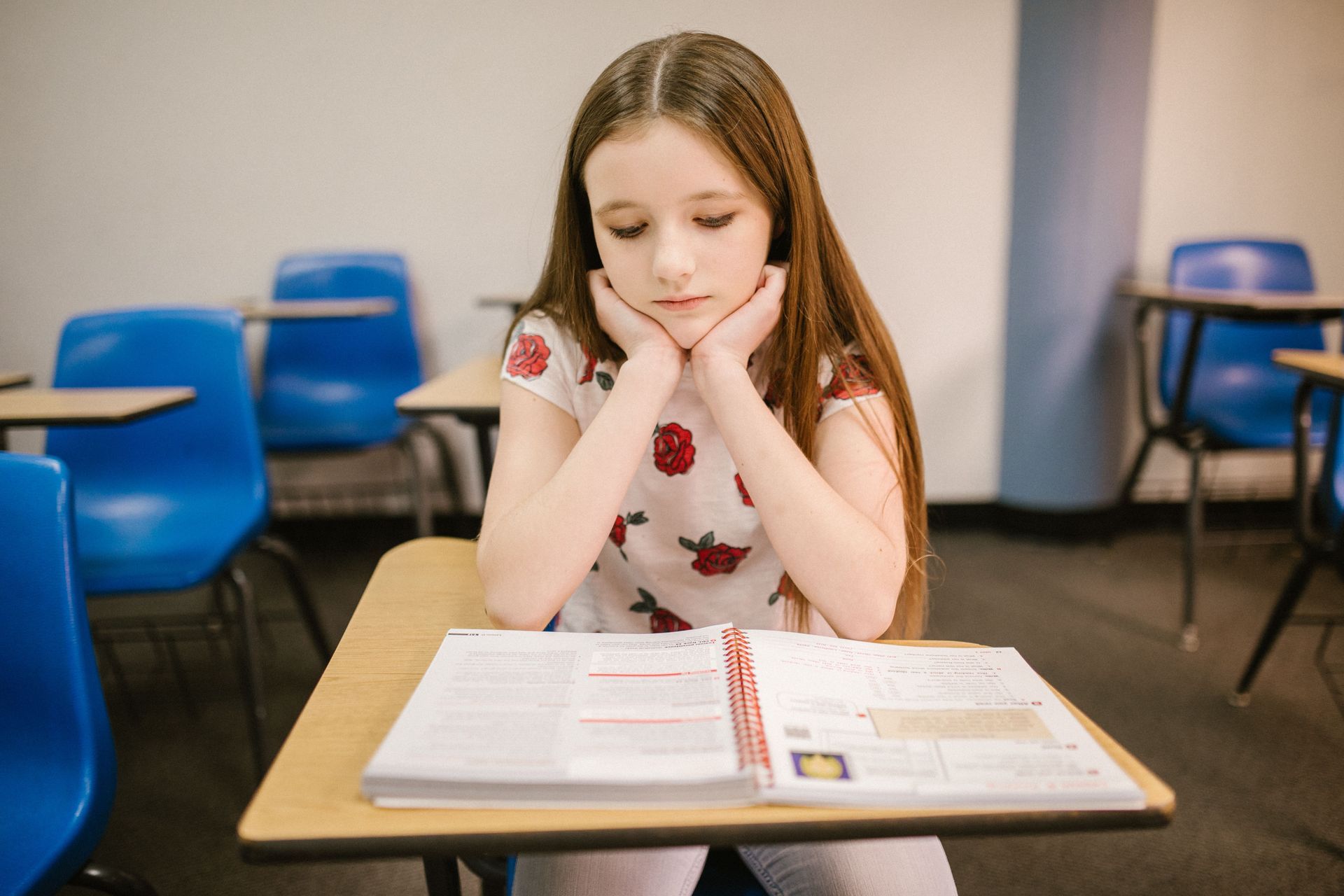
“My child understands the teacher… but never raises their hand.”
If this sounds familiar, you’re not alone. For families in international schools across Vietnam—especially Vietnamese, Korean, and Japanese households—this is one of the most common and misunderstood ESL challenges.
And here’s the reassurance most parents need to hear first:
"Silence does not mean low ability."
This concern is especially common among parents searching for international school English support in Vietnam, where classroom participation is expected early.
Why Does Knowing English Still Feel Unsafe for ESL Students?
In many high-achieving cultures, children are taught early to:
- Avoid mistakes
- Wait until they are “sure.”
- Speak only when correct
That mindset works well in some education systems.
But in IB, British, and American classrooms, it quietly backfires.
Students are expected to:
- Think out loud
- Ask questions mid-lesson
- Take risks with language
For ESL learners, that can feel like being asked to perform without a safety net.
The Quiet Student Who Understands More Than You Think
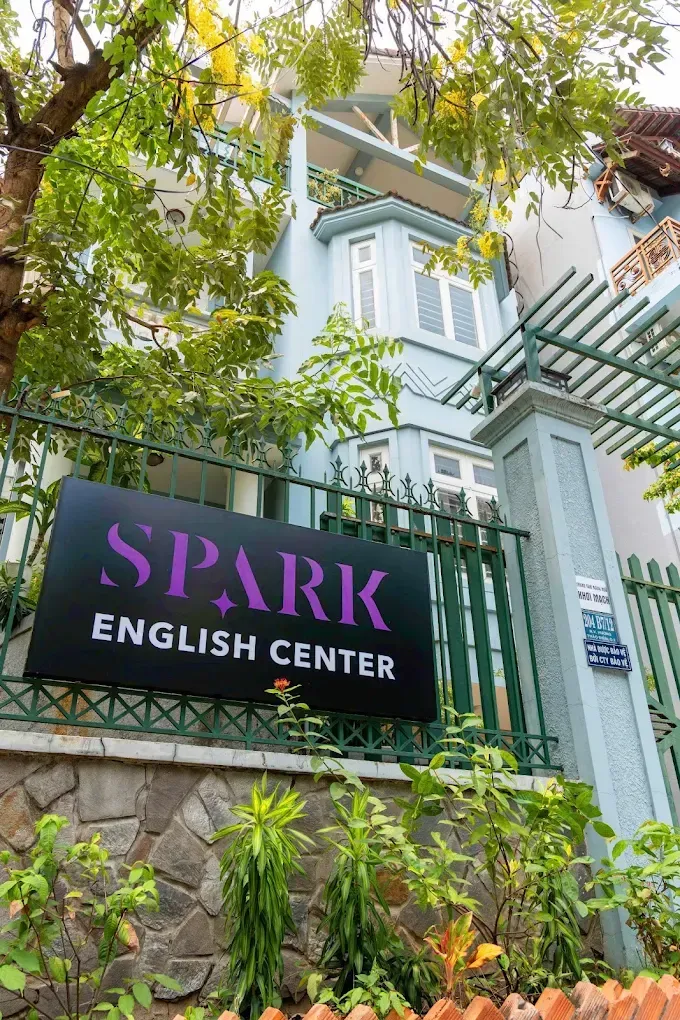
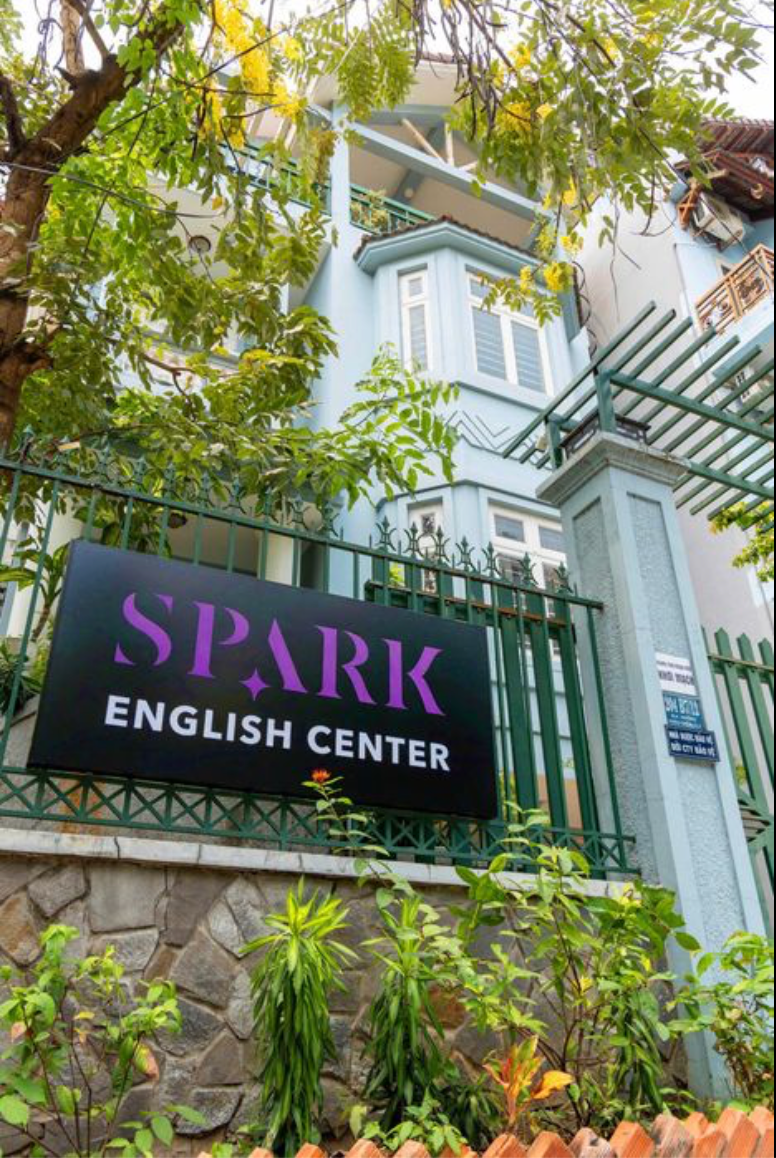
At Spark English Center Vietnam, we often meet students who:
- Follow lessons accurately
- Score well on listening or reading tasks
- Understand instructions immediately
Yet they:
- Avoid speaking
- Freeze when called on
- Say “I don’t know” even when they do
Why?
Because speaking is the highest-risk skill.
It exposes accent, grammar gaps, and vocabulary limits—all at once.
Children protect themselves by staying quiet, even if they don’t actively try to be silent. It’s a subtle, passive choice. when they come to us; lacking confidence, feeling shy, or scared to fail
How International Schools Accidentally Reward Silence
Here’s a hard truth for many parents:
International classrooms are busy.
Teachers at International Schools often:
- Move on quickly when no hands go up
- Accept silence as understanding
- Praise “well-behaved” quiet students
The result? A child can pass from year to year without ever building spoken confidence.
This works… until it doesn’t.
Recently, a formerly shy student who had won his school’s English Competition attended Spark English Center for class. He was so excited that he had come a long way and felt confident enough in his English to compete with other ESL students. This is a great example of how having confidence to speak up and try can reward ESL students.
The Long-Term Risk of Staying Quiet
Silence may feel safe in early grades.
But over time, it creates real academic consequences:
- Difficulty with discussions and group work
- Lower performance in oral assessments
- Reduced confidence in writing (because writing starts with thinking aloud)
- Social withdrawal in English-speaking environments
By upper primary and middle school, these students are often labeled as:
“Shy,” “Passive,” or “Lacking confidence.”
When the real issue is unfinished language development.
What Parents Can Do at Home (Without Pressure)
The goal is not to force speaking.
The goal is to make mistakes feel normal.
What helps:
- Letting your child explain ideas casually (not “answer correctly”)
- Accepting broken sentences without immediate correction
- Modeling imperfect English yourself if you’re bilingual
- Praising effort, not accuracy
What doesn’t help:
- “You know this already.”
- Correcting every sentence
- Comparing them to more confident peers
Confidence grows when children feel safe sounding wrong.
Why “Just Speaking More” Usually Fails
Many parents are told:
“They just need more exposure.”
But exposure alone doesn’t fix this.
Students need:
- Structured speaking practice
- Predictable language patterns
- Small groups where mistakes don’t feel public
This is why ESL support for international school students looks very different at Spark English Center than in general English classes.
How Spark Approaches Silent ESL Learners
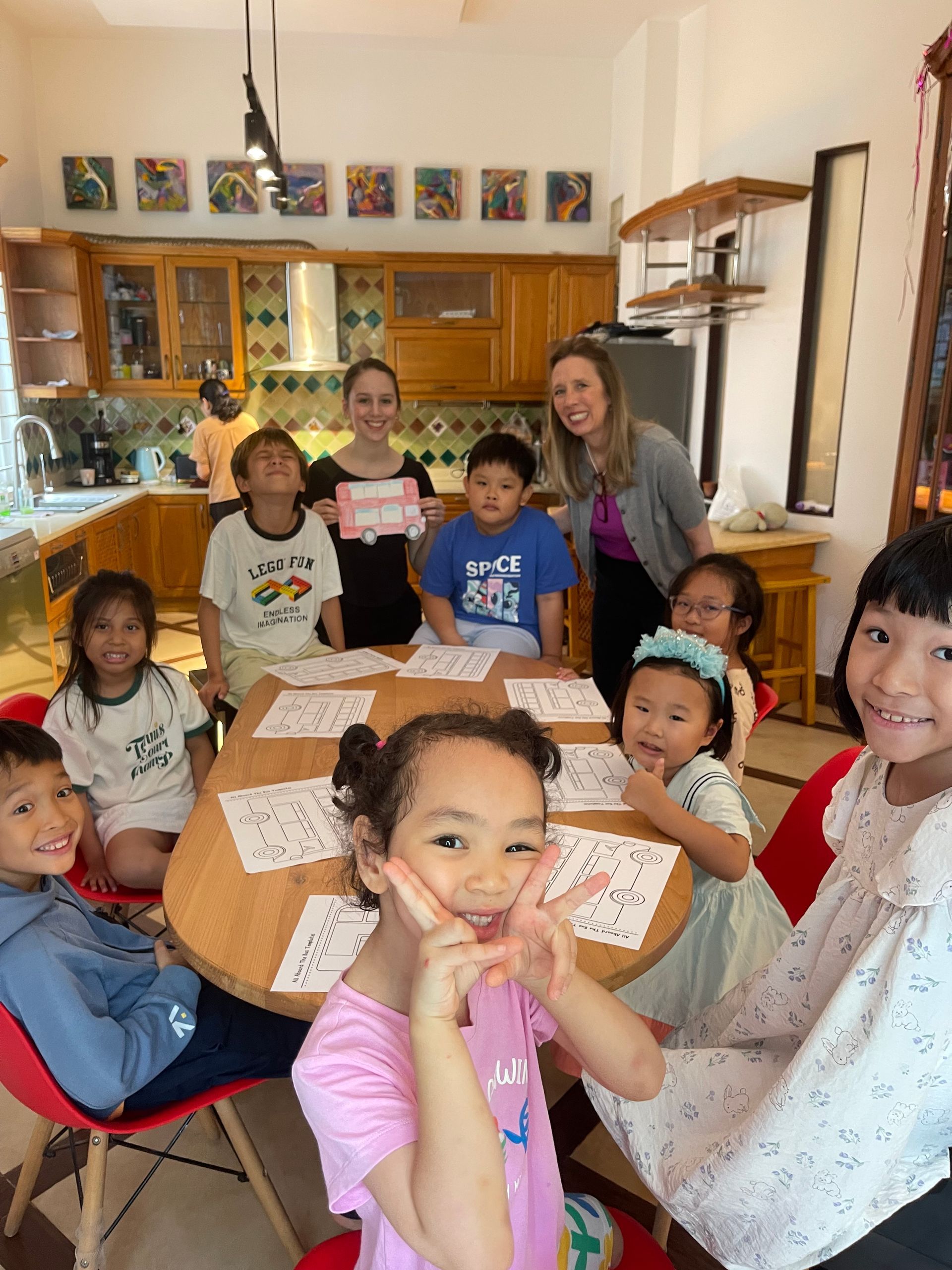
At Spark English Center Vietnam, we support ESL students in international schools who need more than exposure. Our work focuses on international school English readiness in Vietnam, using phonics-based, structured literacy in small groups to help students speak with confidence.
We look closely at:
- Phonics gaps that make pronunciation feel risky
- Vocabulary depth (not just word recognition)
- Sentence structure confidence
- Processing speed in English classrooms
This phonics-based program in HCMC, taught in small groups, gives young ESL students the tools to speak before confidence is expected.
For families across HCMC (Saigon), Spark English Center often becomes the bridge between understanding English and using it comfortably in international school classrooms.
FAQ: Real Questions Parents Ask Us Daily
Is it normal for ESL children to stay silent in an international school?
Yes. Especially in early years and transition periods. The concern is when silence lasts for years.
My child speaks English at home but not at school—why?
School feels public and evaluative. Home feels safe.
Should I push my child to speak more in class?
Encouragement helps. Pressure usually backfires.
Will confidence come naturally with age?
Only if the language foundation supports it; otherwise, fear grows with expectations.
Is this a phonics issue or a confidence issue?
Often both. Weak phonics makes speaking feel risky.
When should I seek extra ESL support?
If silence is affecting participation, friendships, or academic tasks—not just grades.
A Final Reassurance for Parents
Speaking badly is not a failure. It’s a necessary stage of learning.
The goal isn’t perfect English—it’s confident communication.
A Clear Next Step for Parents
If you’re unsure whether your child’s silence is temporary or a deeper issue, a clear assessment helps.
At Spark English Center Vietnam, our free assessment checks:
- Phonics and pronunciation foundations
- Spoken language confidence
- Readiness for international school expectations
It’s free, low-pressure, and designed to give parents clarity.
👉 Book your free assessment here:
https://www.sparkvn.com/Assessment
Spark English Center proudly supports international school families across Ho Chi Minh City (Saigon) in helping children build lasting English skills, not just practice that fills time. This support aims to help your child become a better, more confident student.