How Does Imagination-Driven Learning Make English More Effective for Children in Vietnam?
Two Students. Two Very Different Experiences.
Walk into any English classroom in Ho Chi Minh City and you’ll likely see two familiar types of students.
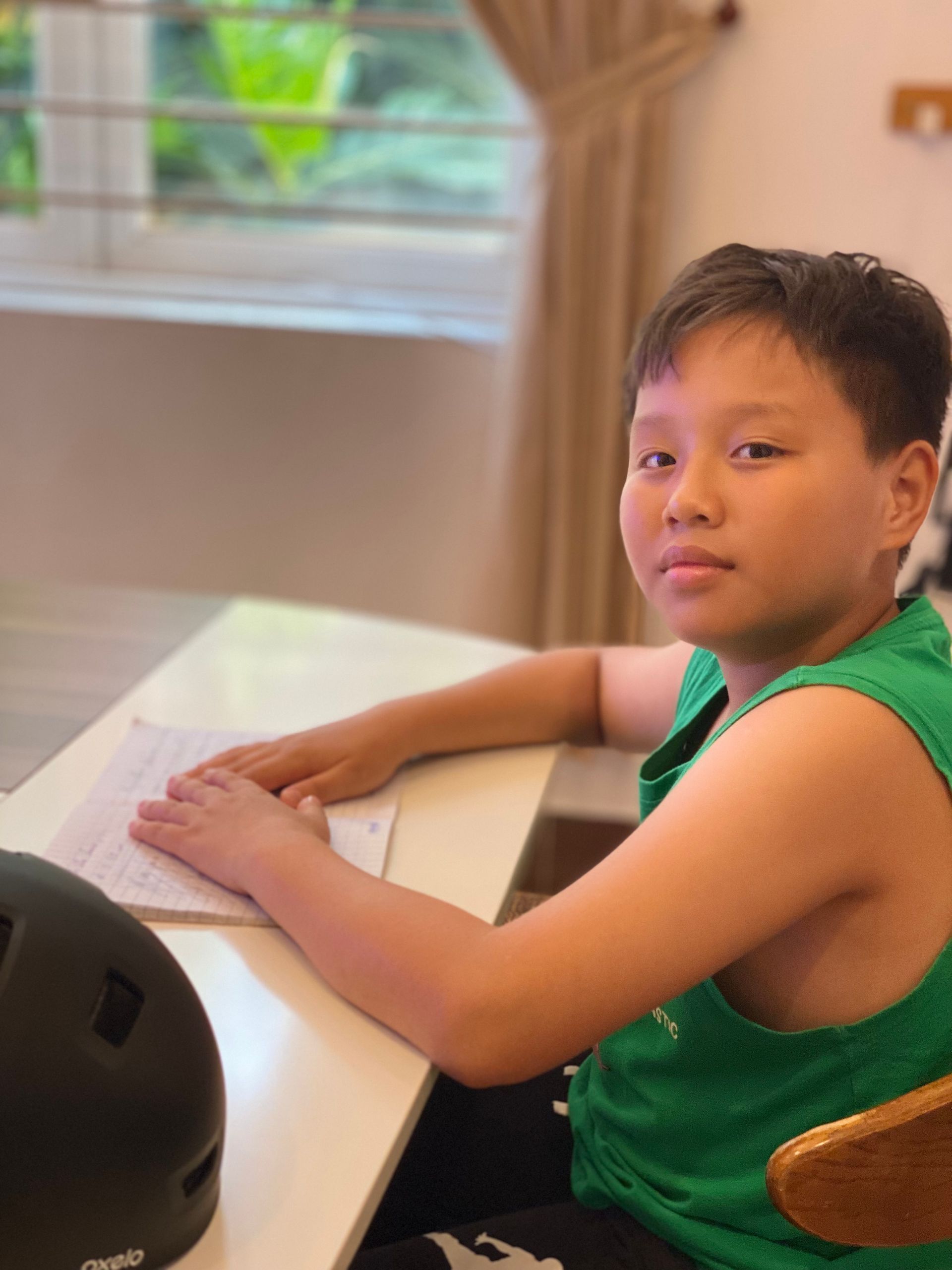
Student A sits quietly, repeating words when called on. Reading aloud feels stressful. Writing is slow and frustrating. English feels like rules, memorization, and pressure.
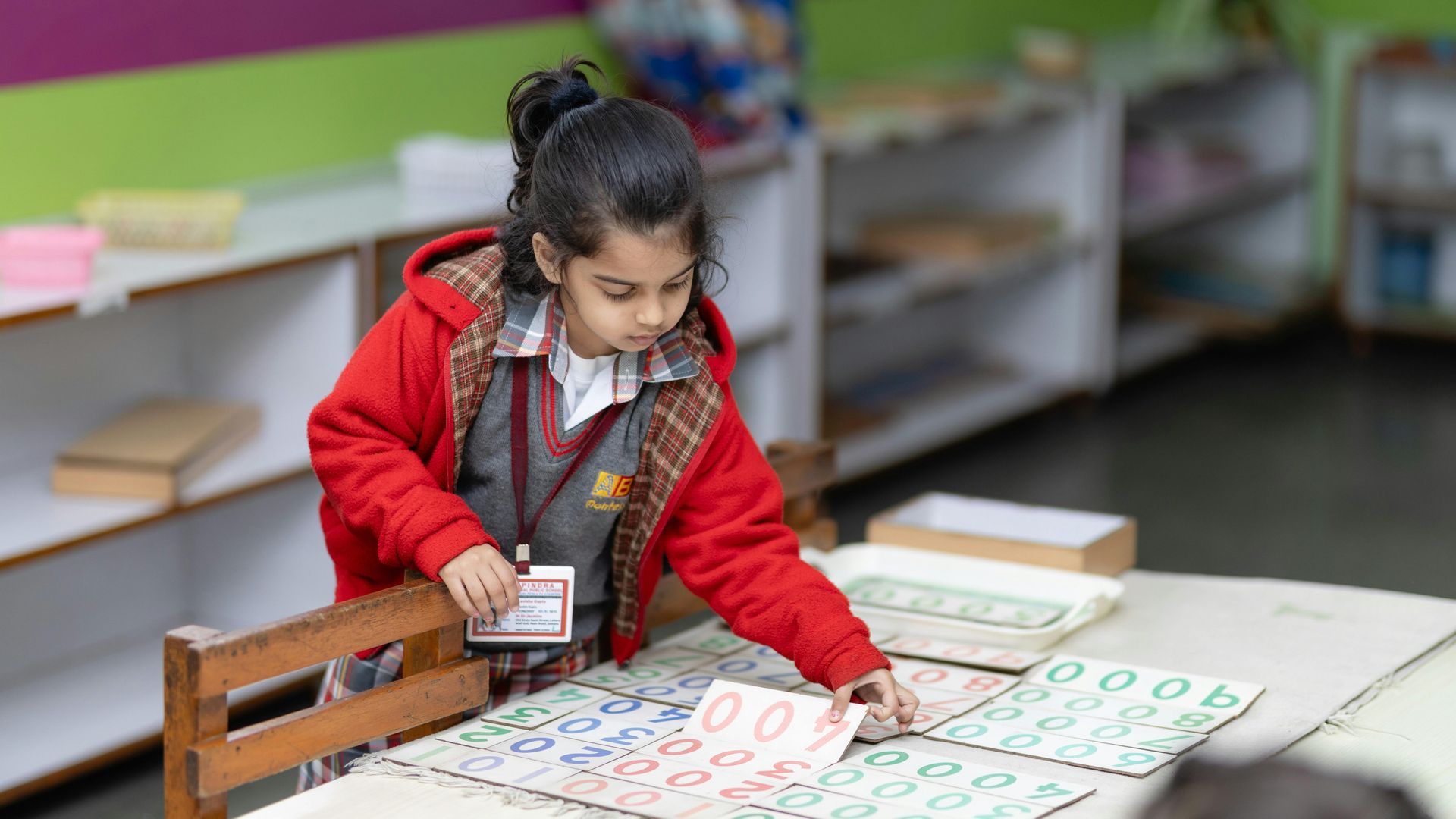
Student B leans forward, volunteers answers, invents funny sentences, and acts out stories. Reading is expressive. Writing is creative. English feels alive.
So what’s the difference?
It’s not intelligence.
It’s not natural talent.
It’s not how long they’ve studied English.
👉 It’s imagination.
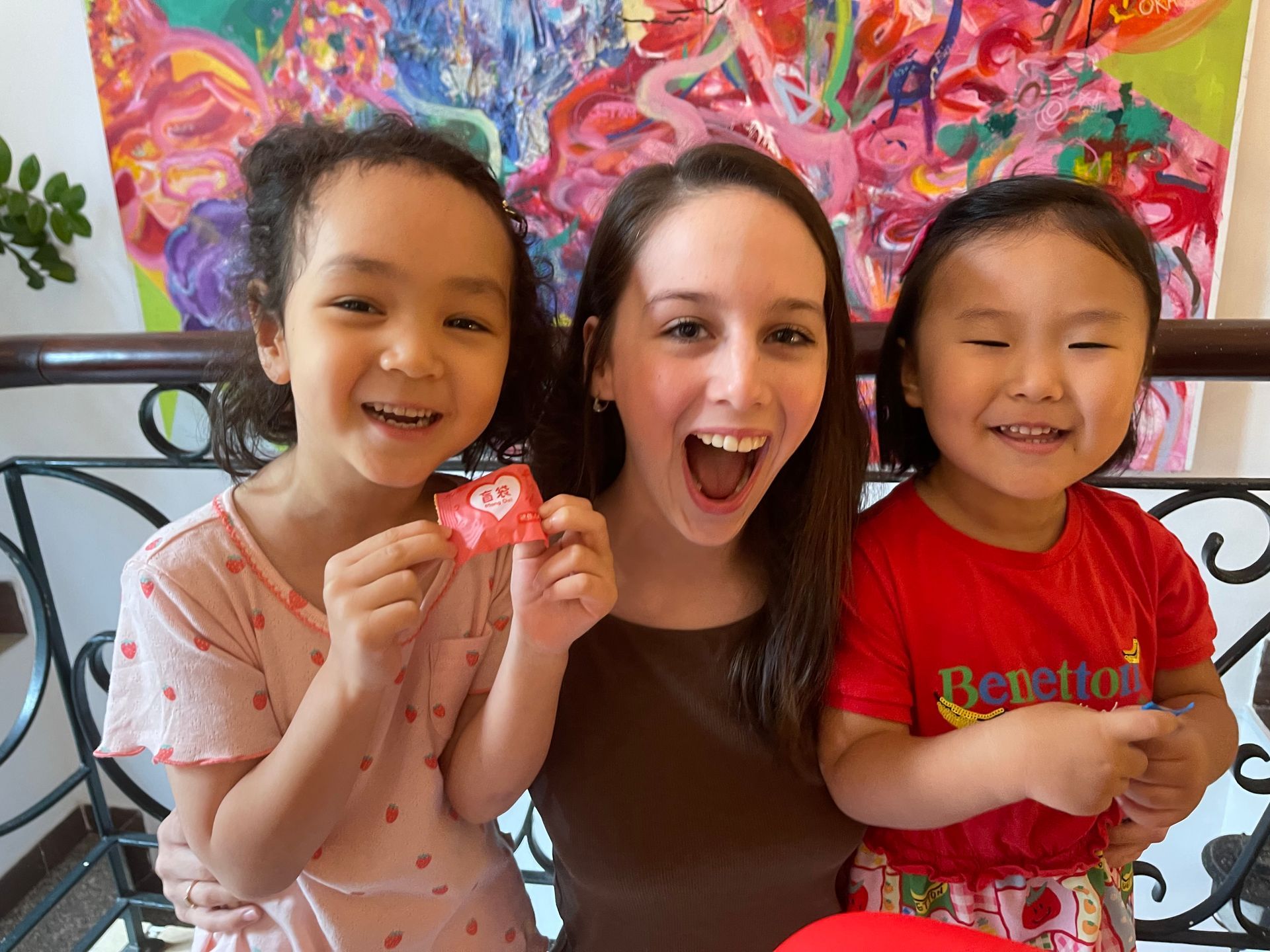
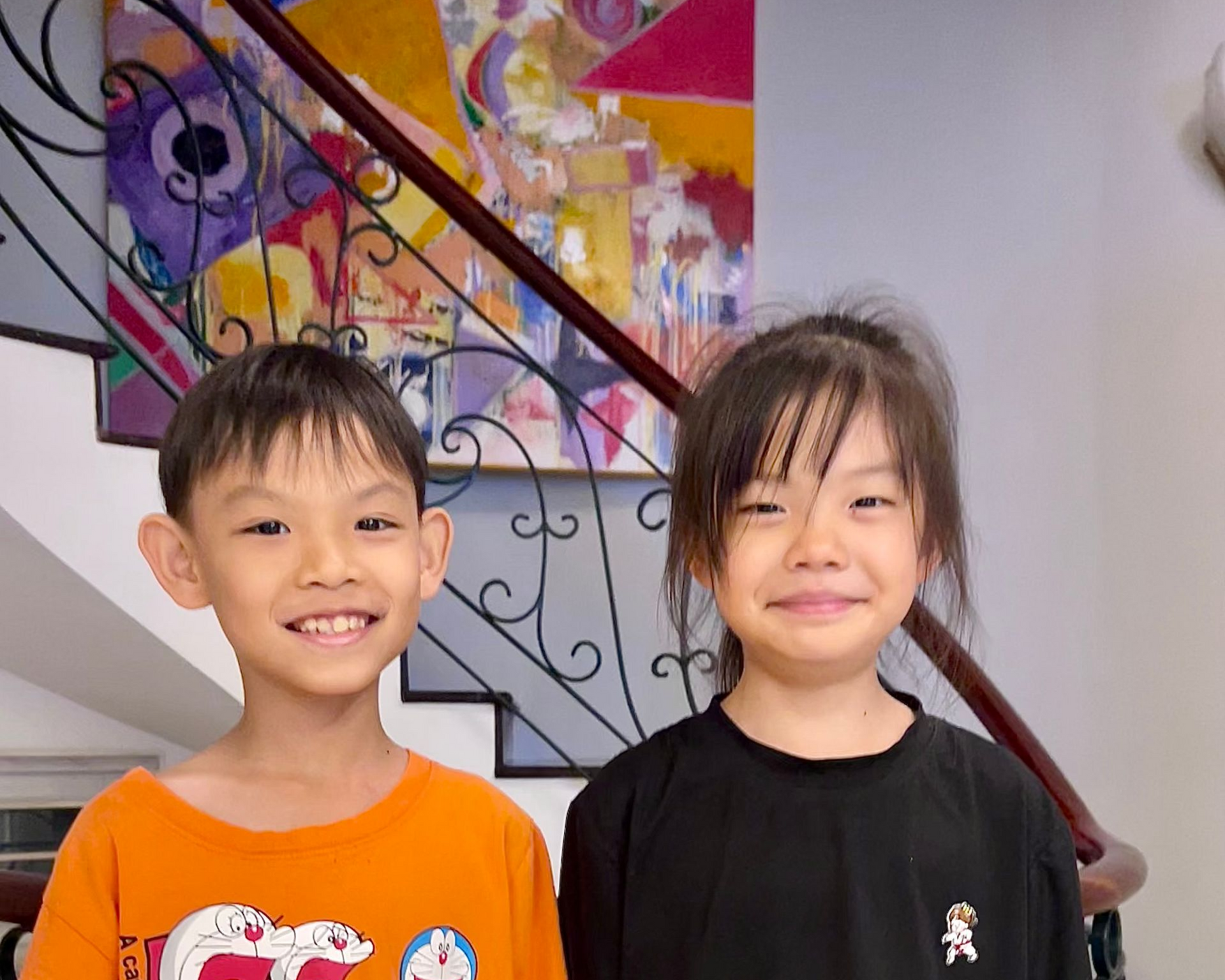
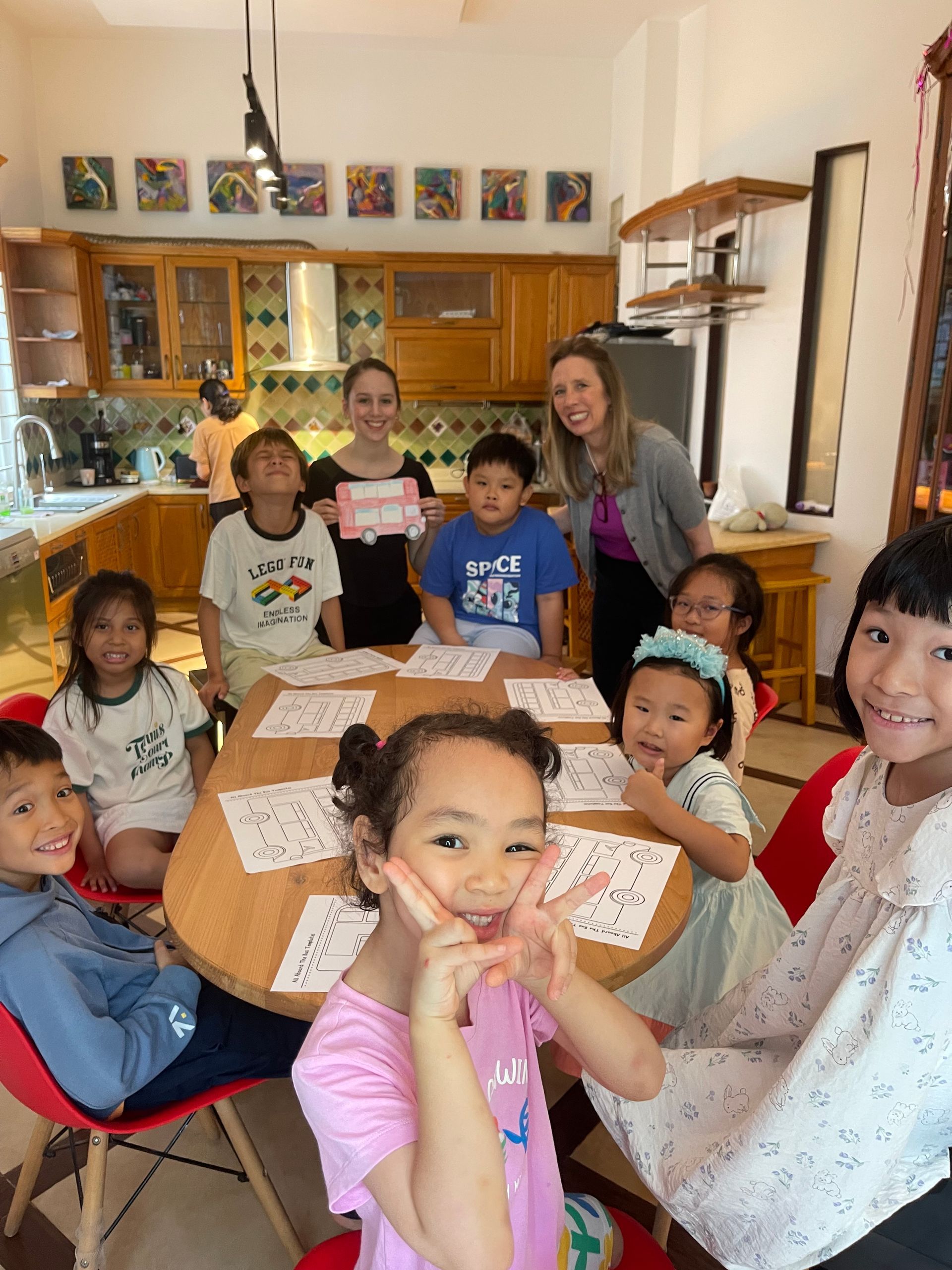
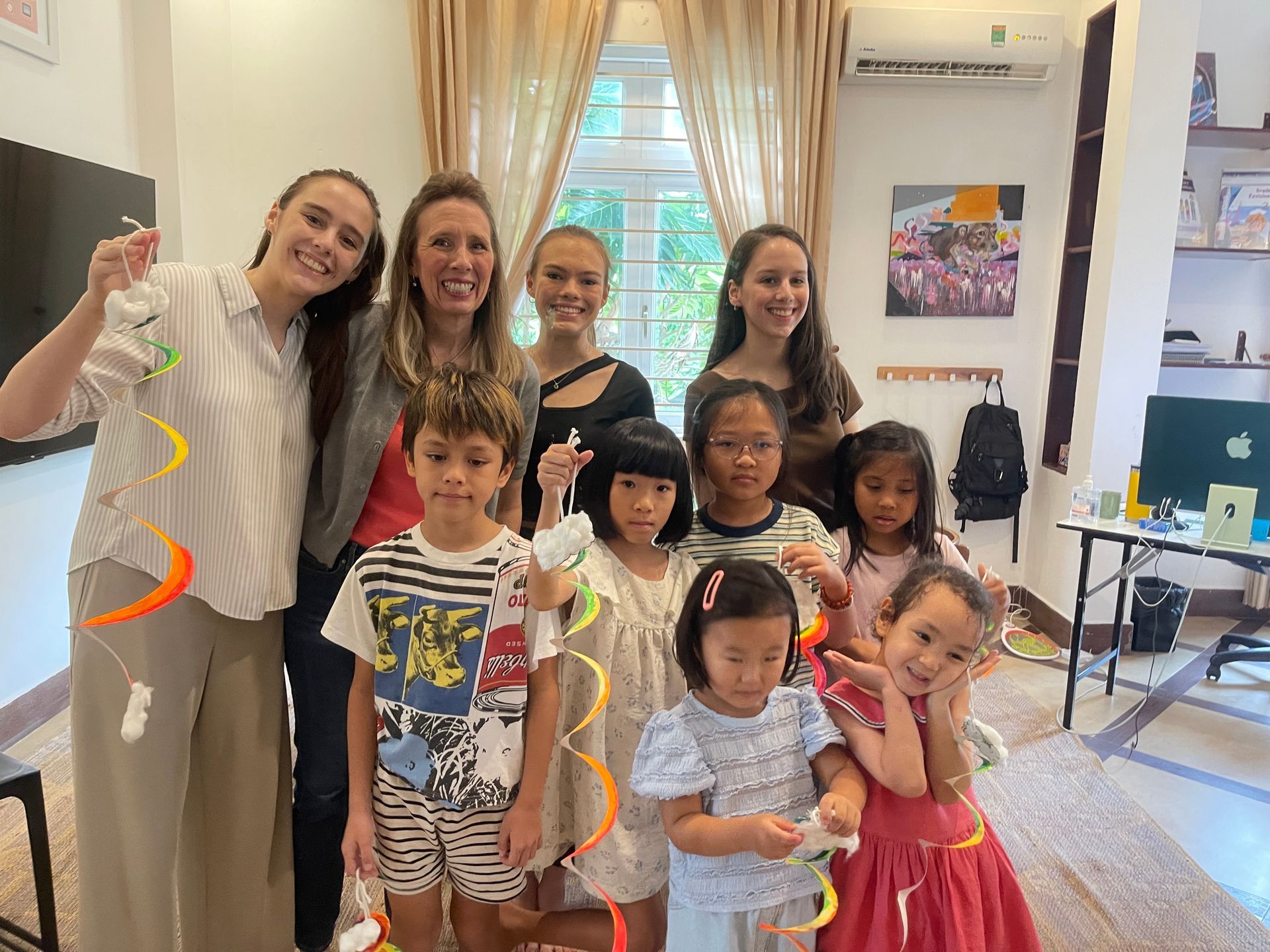
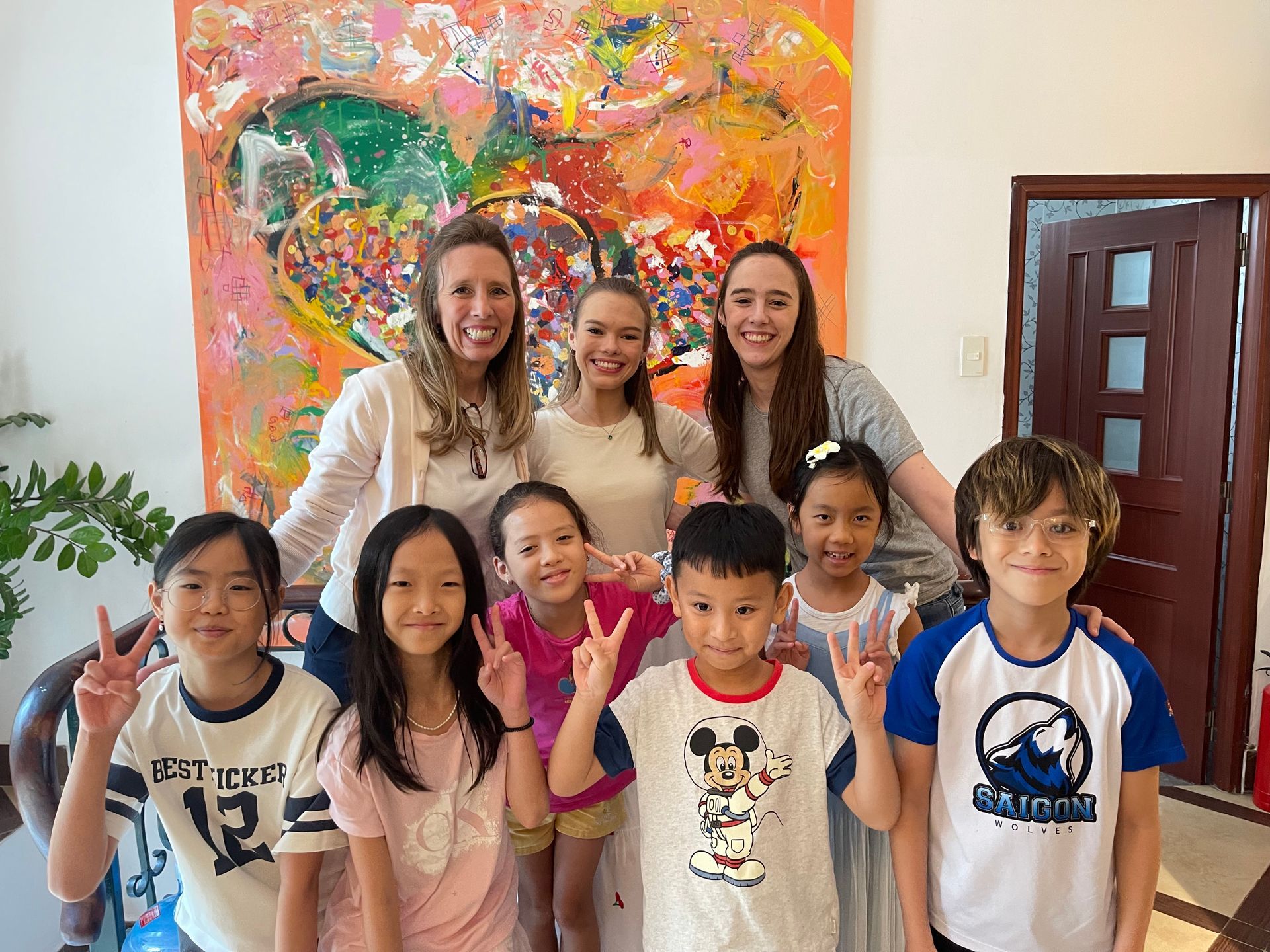
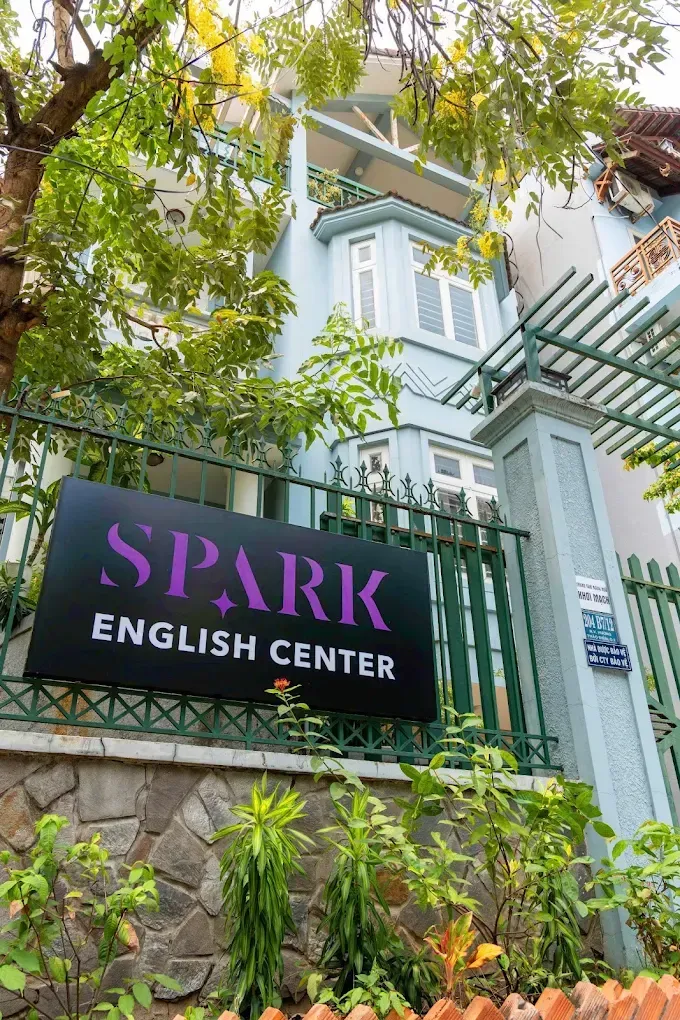
At Spark English Center Vietnam, we’ve seen this transformation hundreds of times across Vietnamese, Korean, and Japanese students learning English in HCMC.
What Is Imagination-Driven English Learning?
Imagination-driven learning means teaching English through meaning, story, play, and creativity, while still maintaining structured phonics and literacy instruction.
Instead of:
- “Repeat these words”
- “Finish worksheet page 47”
- “Memorize this rule”
We ask:
- “Can you solve this mystery using today’s phonics pattern?”
- “What happens next in the story?”
- “Can you become the character?”
This approach doesn’t replace phonics—it amplifies it.
Why Imagination Accelerates English Learning (The Science)
Research in neuroscience and education consistently shows:
🧠 Emotional Engagement Builds Memory
When children feel curiosity, joy, or surprise, the brain stores information more deeply. Story-based lessons are remembered 3–4x longer than rote drills.
🎭 Multi-Sensory Learning Improves Retention
Movement, drama, drawing, and storytelling activate multiple brain pathways, making vocabulary and phonics easier to recall.
😌 Lower Anxiety = Faster Language Growth
Play reduces stress and increases dopamine, improving focus, working memory, and confidence—especially for ESL learners.
Why This Matters for ESL Learners in Vietnam
For many families in Ho Chi Minh City, English is not spoken at home. This creates unique challenges:
• Limited English exposure
• Fear of making mistakes
• Fast-paced international school curriculums
• Heavy memorization without understanding
Imagination-driven learning helps children:
✔ Feel safe experimenting with English
✔ Use language meaningfully
✔ Build confidence faster
✔ Develop genuine motivation
How Spark English Center Vietnam Combines Imagination + Phonics
🔤 Story-Embedded Phonics
Phonics patterns are taught through stories and characters, making abstract sounds meaningful.
Example:
Instead of drilling “igh,” students meet The Midnight Knight who flies kites at night—embedding phonics in memory-rich stories.
✏️ Creative Confidence Through Word Play
Students invent words, describe imaginary worlds, and experiment with language—building flexibility and expressive power.
🎬 Drama, Movement & Role Play
Acting out stories improves pronunciation, vocabulary, comprehension, and speaking confidence.
🎨 Visual Creativity
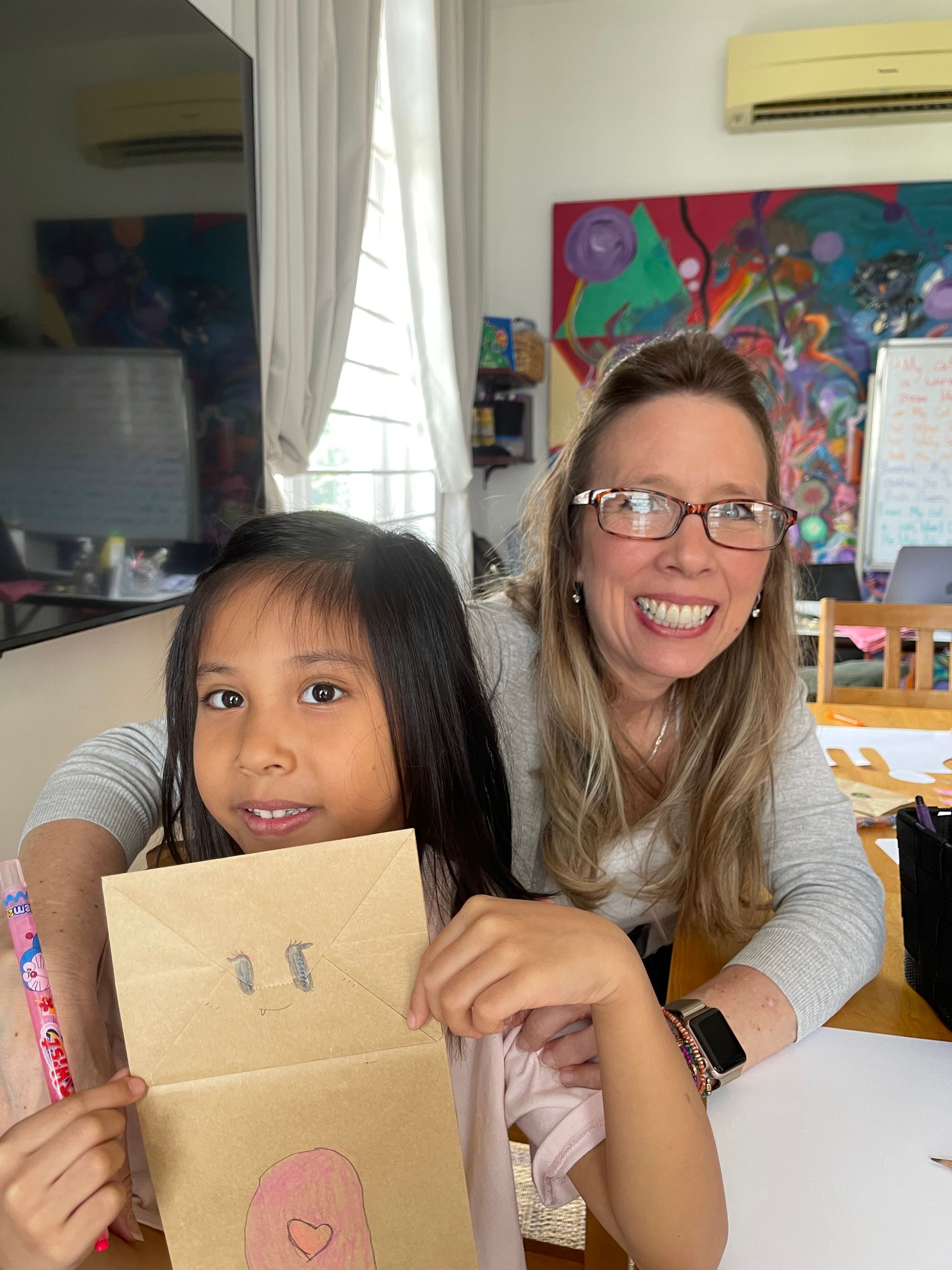
Drawing, story maps, comics, and illustrations deepen comprehension and support writing development.
📚 Student-Created Stories
Children become authors, not just readers—building vocabulary, sentence structure, and ownership of language.
Why Imagination Improves Academic English (Not Just Fun English)
Creativity builds:
• Complex sentence structures
• Strong reading comprehension
• Better writing organization
• Critical thinking and inference
• Presentation and discussion skills
These are the exact skills required for international schools.
Why Parents in Ho Chi Minh City Choose Spark
Families choose Spark English Center Vietnam because we offer:
✅ Small classes (4–6 students)
✅ Systematic phonics + full English literacy
✅ Creative, engaging lessons
✅ ESL specialists for Vietnamese, Korean & Japanese students
✅ Measurable reading & writing progress
✅ Confidence-building instruction
We don’t teach English as a subject to memorize—we teach it as a tool for expression.
Frequently Asked Parent Questions
❓ Does creative learning replace phonics?
No. Phonics is taught systematically. Creativity is how we deliver it effectively.
❓ Is this suitable for shy children?
Yes—many shy students thrive because stories allow safe expression.
❓ Will this help my child keep up with international school?
Absolutely. Our students show strong gains in reading fluency, writing complexity, and classroom confidence.
Final Thought
Children don’t hate English.
They hate boring, stressful, disconnected learning.
When English becomes playful, meaningful, and imaginative, motivation changes—and so does progress.
At Spark English Center Vietnam, we spark imagination to unlock language growth—for students across Ho Chi Minh City and beyond.
👉 Book a free English assessment today:
https://www.sparkvn.com/assessment