Common Learning Mistakes in English—and How to Correct Them for International School Students in Vietnam
Many parents notice the same pattern.
Their child is attending an international school.
They’re exposed to English every day.
They seem to understand lessons in class.
But at home, problems appear:
- Guessing words instead of reading them
- Rushing through homework
- Making the same mistakes again and again
- Becoming upset when corrected
If this sounds familiar, you’re not alone.
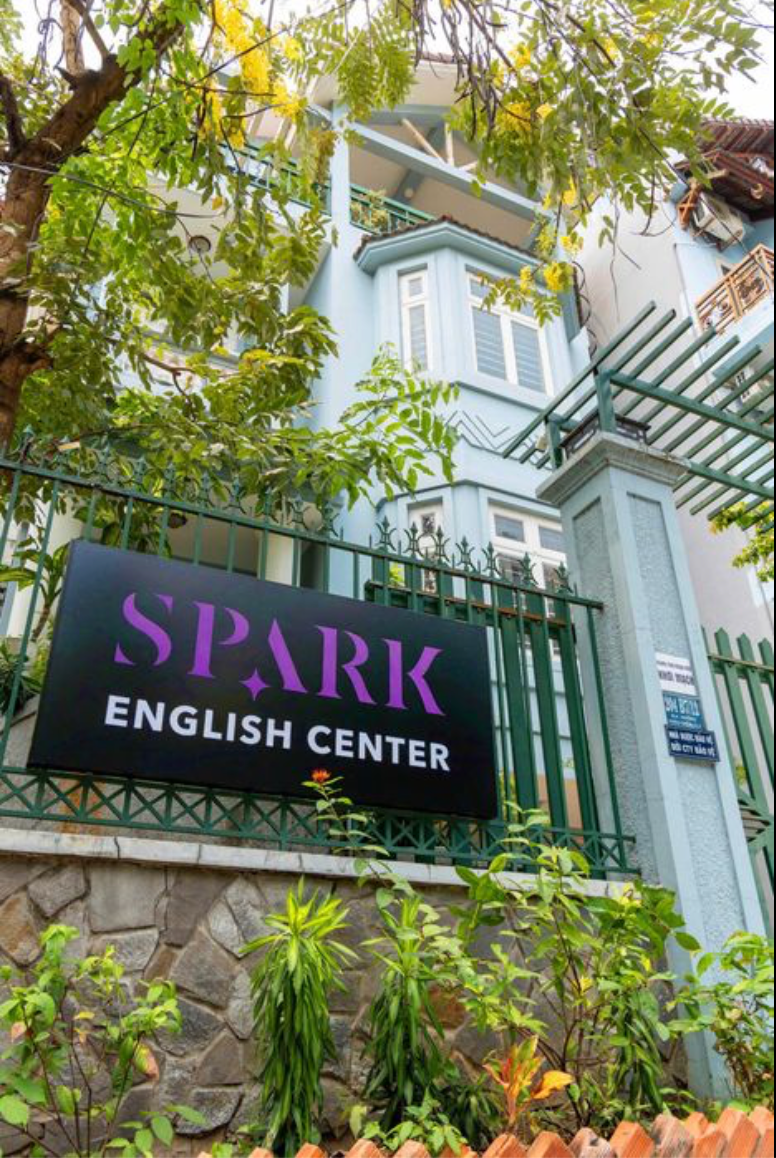
At Spark English Center Vietnam, parents across Ho Chi Minh City (Saigon) regularly ask:
“Why does my child keep making these mistakes when they’ve already learned this?”
The answer is rarely about ability or effort.
Most of the time, it’s about how children are learning—and how mistakes are being handled.
This article breaks down the most common learning mistakes ESL students make and explains how to correct them effectively, without damaging confidence or motivation.
Why Learning Mistakes Are So Common for ESL Students
International schools move fast.
They assume students can:
- read instructions independently
- decode unfamiliar words
- understand feedback
- apply corrections right away
For many ESL learners, especially in Vietnam, this foundation isn’t fully in place yet.
Mistakes don’t mean failure.
They usually signal confusion, gaps, or unclear strategies.
Understanding why mistakes happen is the first step to fixing them.
Mistake #1: Guessing Instead of Decoding
One of the most common issues teachers see is guessing.
Children may:
- look at pictures instead of words
- memorize whole words without understanding sounds
- guess quickly to keep up
This often comes from:
- weak phonics foundations
- pressure to read quickly
- early habits formed in beginner reading stages
Why Guessing Is a Problem
Guessing might work temporarily—but it breaks down when:
- pictures disappear
- vocabulary becomes more complex
- reading volume increases
This is why structured phonics instruction is so important.
When children can decode, they don’t need to guess.
Mistake #2: Rushing Work to Finish Quickly
Speed is often mistaken for confidence.
Many children rush because:
- they want to avoid mistakes
- they feel anxious
- they think fast = smart
Unfortunately, rushing usually leads to:
- careless errors
- missed instructions
- shallow understanding
What Actually Helps
Children need permission to:
- slow down
- think through steps
- check their work
At Spark, accuracy is prioritized before speed—because long-term success depends on understanding, not finishing first.
Mistake #3: Ignoring Feedback (or Repeating the Same Errors)
When children repeat mistakes, it’s easy to assume they’re not paying attention.
In reality, repeated errors often mean:
- the correction wasn’t understood
- the child doesn’t know how to fix it
- the feedback was too abstract
For example:
“Be more clear”
“Check your spelling”
These comments don’t teach what to do differently.
Effective correction explains:
- what went wrong
- why it happened
- how to fix it next time
Mistake #4: Emotional Reactions to Correction
Many ESL learners experience strong emotions around mistakes:
- fear of being wrong
- frustration
- avoidance
- shutdown
This often comes from:
- language insecurity
- classroom pressure
- past negative experiences
When mistakes feel personal, learning slows down.
Correcting With Clarity (Not Pressure)
The goal of correction is not perfection—it’s understanding.
Effective correction is:
- calm
- immediate
- specific
- paired with explanation
Instead of: “That’s wrong.”
Try:
- “Let’s look at this sound together.”
- “Which part is confusing?”
- “Let’s try it step by step.”
This approach builds:
- trust
- confidence
- willingness to try again
Repetition With Purpose (Not Blind Drilling)
Repetition is essential—but only when it’s intentional.
Blind drilling often:
- bores children
- increases frustration
- reinforces incorrect habits
Purposeful repetition:
- revisits skills in different contexts
- connects new learning to old
- checks understanding each time
This is how Spark designs its lessons—so repetition leads to mastery, not burnout.
Why ESL and Phonics Support Matter So Much
Many international school students struggle not because they lack intelligence—but because they lack tools.
Strong ESL support and a solid phonics program in HCMC help children:
- read accurately
- spell logically
- understand feedback
- explain their thinking
These skills reduce mistakes naturally—because children know what they’re doing.
International School Reality Parents Should Know
International schools often expect:
- independent reading
- self-correction
- strong language awareness
Teachers may not have time to reteach foundations.
This is why many families seek ESL support for international school students outside of school—especially during the early and middle years.
How Spark English Center Vietnam Helps Correct Learning Mistakes
Spark English Center Vietnam works with students across HCMC (Saigon) to:
- identify the root cause of mistakes
- strengthen phonics and literacy foundations
- teach children how to correct themselves
- provide small-group, supportive instruction
- align learning with international school expectations
The focus is not just fixing mistakes—but preventing them by building understanding.
Frequently Asked Questions
Does my child still need English support in international school?
Yes. Many international schools assume ESL students receive outside language support.
How long does it take to see improvement?
Parents often notice better accuracy and confidence within weeks.
Is phonics still important after Year 2?
Absolutely. Gaps in phonics often cause ongoing reading and spelling issues.
What if my child is shy or sensitive to correction?
Structured, supportive environments help children feel safe making mistakes.
Can this help with IB preparation later?
Yes. IB success depends heavily on clarity of thinking and expression.
Are mistakes a sign my child is falling behind?
Not necessarily. They usually signal where targeted support is needed.
Free English Assessment: Understand Your Child’s Needs Clearly
At Spark English Center Vietnam, we offer a free, no-pressure English assessment for international school families.
Our assessment checks:
- Phonics foundations
- Reading accuracy and fluency
- Spelling patterns
- Writing readiness
You’ll receive:
- Honest feedback
- Clear explanations
- Practical next steps
👉
Book your free assessment here:
https://www.sparkvn.com/Assessment
Spark English Center Vietnam is proud to serve international school families across Ho Chi Minh City (Saigon)—helping children move beyond mistakes and toward confident, independent English learning.