When “Learning Apps” Make English Harder for International School Students in Vietnam
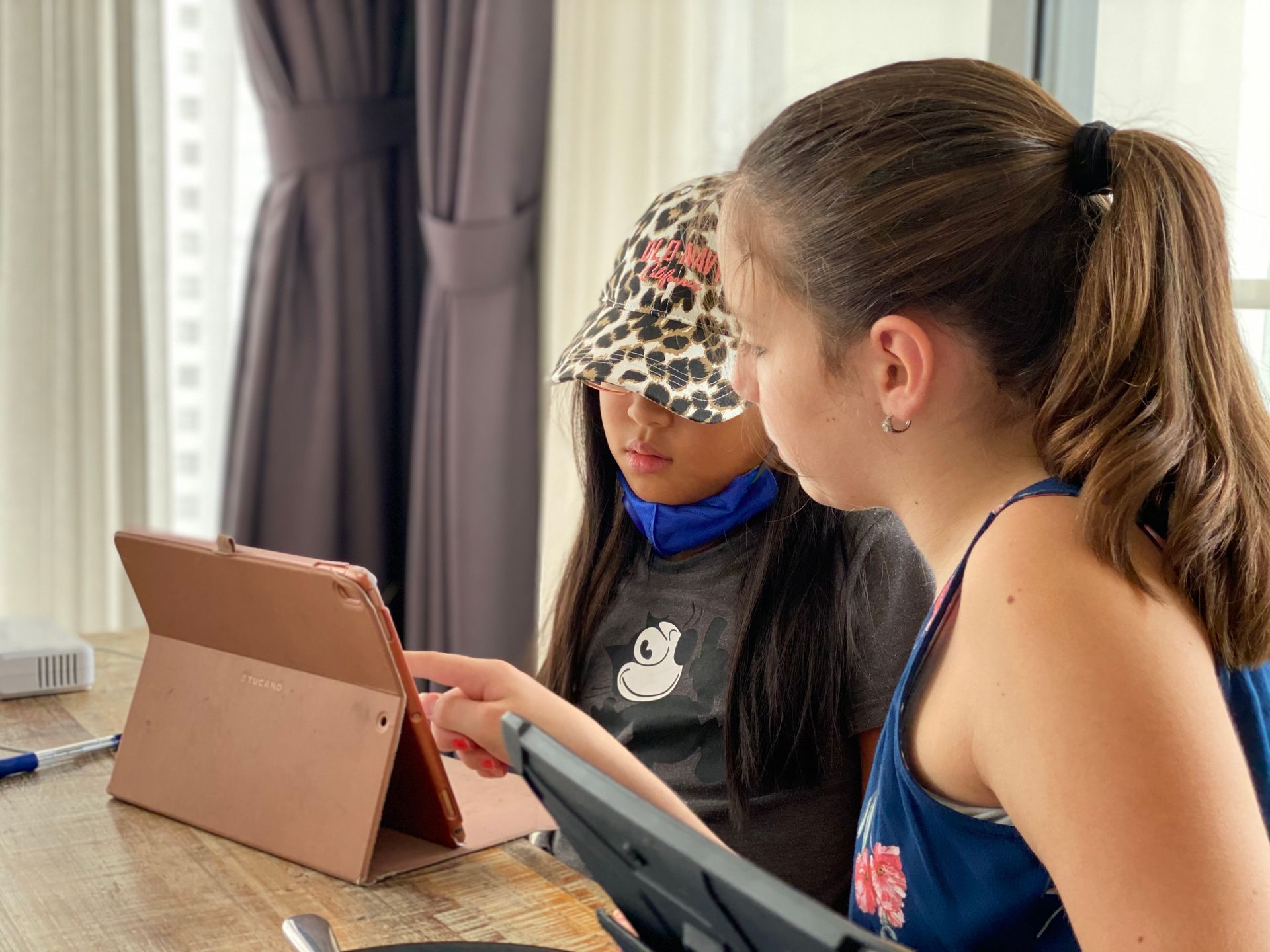
“My child loves this app—they finish it so fast!”
We hear this from parents in Ho Chi Minh City (Saigon) all the time. The app looks educational. The scores are high.
The levels move quickly. Everyone feels reassured.
But then school tells a different story:
- Reading comprehension is weak
- Writing lacks structure
- Speaking confidence hasn’t improved
This disconnect leaves parents confused—and sometimes frustrated.
Technology isn’t the problem. How it’s used is.
This article breaks down why some popular learning apps quietly work against real English development—and how to choose tools that truly support international school success.
The Illusion of Progress: Fast Isn’t the Same as Learning
Many apps are designed to feel rewarding:
- Quick taps
- Bright animations
- Instant “correct” signals
Children move fast—but fast movement doesn’t mean deep understanding.
In real learning, progress often looks slower:
- Pausing to think
- Making mistakes
- Explaining reasoning
Apps that reward speed can accidentally train children to guess instead of understand.
Guessing vs. Thinking: A Hidden Habit Apps Can Create
Some apps encourage trial-and-error:
- Tap until it turns green
- Retry without reflection
- Move on immediately
Children learn that guessing works.
In international schools, this becomes a problem. Students are expected to:
- Explain answers
- Justify opinions
- Apply concepts in new contexts
Guessing doesn’t transfer. Thinking does.
What Constant Stimulation Does to Attention
Another common issue: overstimulation.
Many apps rely on:
- Sounds every few seconds
- Visual rewards after each action
- Minimal quiet thinking time
Over time, children may struggle with:
- Longer reading tasks
- Listening attentively in class
- Sustained writing
This matters in ESL support for international school students, where attention and language processing already demand extra effort.
Passive Learning Looks Easy—But Teaches Less
Watching videos. Clicking choices. Matching pictures.
These activities feel productive, but they’re often passive.
Real language growth requires:
- Producing language (speaking, writing)
- Explaining ideas out loud
- Applying words independently
If a child can complete an app silently but struggles to explain an answer verbally, the learning hasn’t fully landed.
So… Should Parents Avoid Technology Altogether?
Not at all.
The question isn’t “Is this app educational?”
It’s “What thinking does this app require?”
Helpful tools tend to:
- Ask children to explain answers
- Slow the pace intentionally
- Require reading, writing, or speaking—not just tapping
- Build on strong phonics foundations
Technology works best when it supports thinking, not replaces it.
What International Schools Assume About Students
International schools in Vietnam assume students can:
- Learn independently
- Use language actively
- Reflect on mistakes
Apps that over-scaffold or automate thinking can leave children unprepared for these expectations.
That’s why many students appear confident with devices—but struggle academically.
How Spark Approaches Technology Differently
At Spark English Center Vietnam, technology is a tool—not the teacher.
We focus on:
- Strong phonics and structured literacy foundations
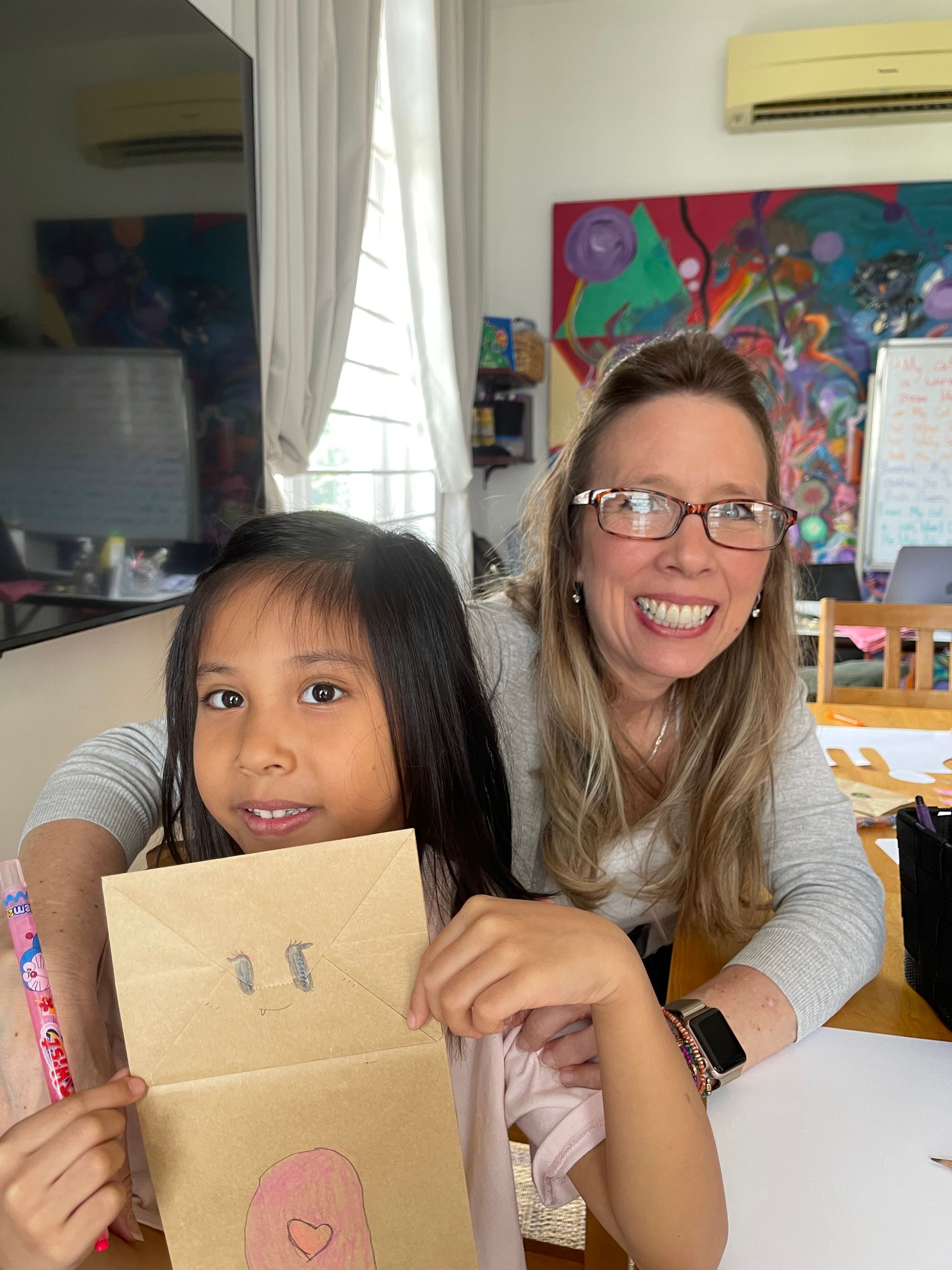
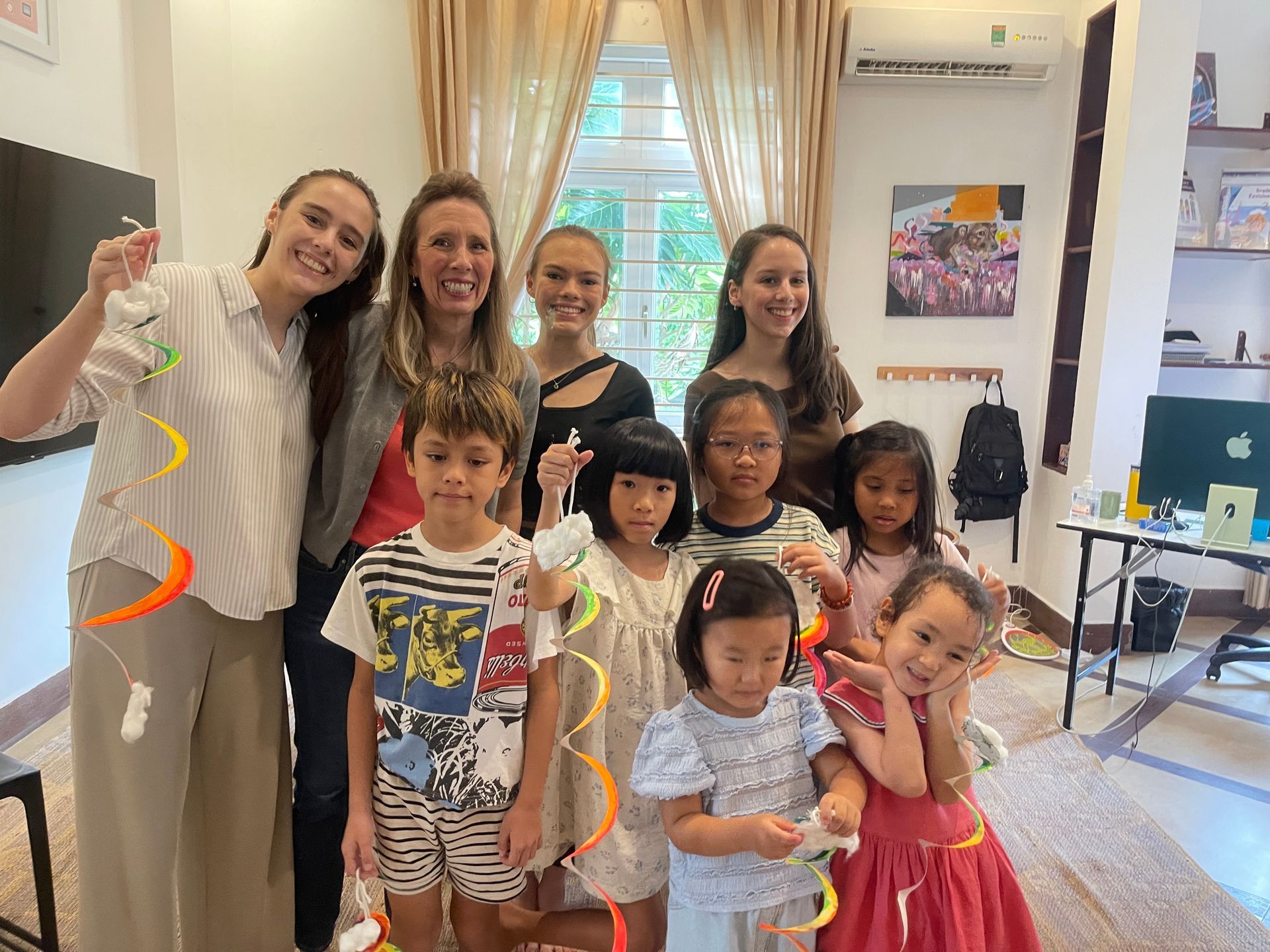
- Small-group learning where children explain and apply language
- Guided feedback that builds independence
- Aligning practice with real international school tasks
Serving families across HCMC (Saigon), Spark helps children use technology wisely—without losing essential thinking skills.
A Quick Reality Check for Parents
If your child:
- Finishes apps very quickly
- Can’t explain what they learned
- Avoids reading or writing without screens
It may be time to reassess—not their effort, but the tools.
Frequently Asked Questions
Are all learning apps bad?
No. Some are excellent—but only when they require thinking and language use.
How much screen-based learning is appropriate?
Short, purposeful sessions work better than long, passive ones.
My child enjoys apps. Should I stop them?
Enjoyment is good—but balance matters. Add activities that require speaking and writing.
Do apps replace ESL support for international school students?
No. Apps can supplement, but not replace guided instruction.
Is phonics still important in a digital world?
Yes. Phonics helps children read unfamiliar words independently—online or offline.
Can Spark help evaluate which tools suit my child?
Yes. Our assessment identifies how your child actually learns, not just what they complete.
Want to Know If Technology Is Helping—or Holding Your Child Back?
If you’re unsure whether your child’s learning tools are truly supporting their English development, a clear assessment can help.
At Spark English Center Vietnam, our free assessment looks at:
- Phonics and reading foundations
- Vocabulary use in speaking and writing
- Attention, confidence, and learning habits
- Readiness for international school expectations
It’s:
- Free
- Honest
- No pressure
👉
Book your free assessment here:
https://www.sparkvn.com/Assessment
Spark English Center Vietnam proudly serves international school families across Ho Chi Minh City (Saigon)—helping children build real English skills in a digital world that often moves too fast.