The Role of Play in Language Learning: Fun Activities to Boost Your Child’s English Skills | Spark English Center Vietnam
✨ Introduction
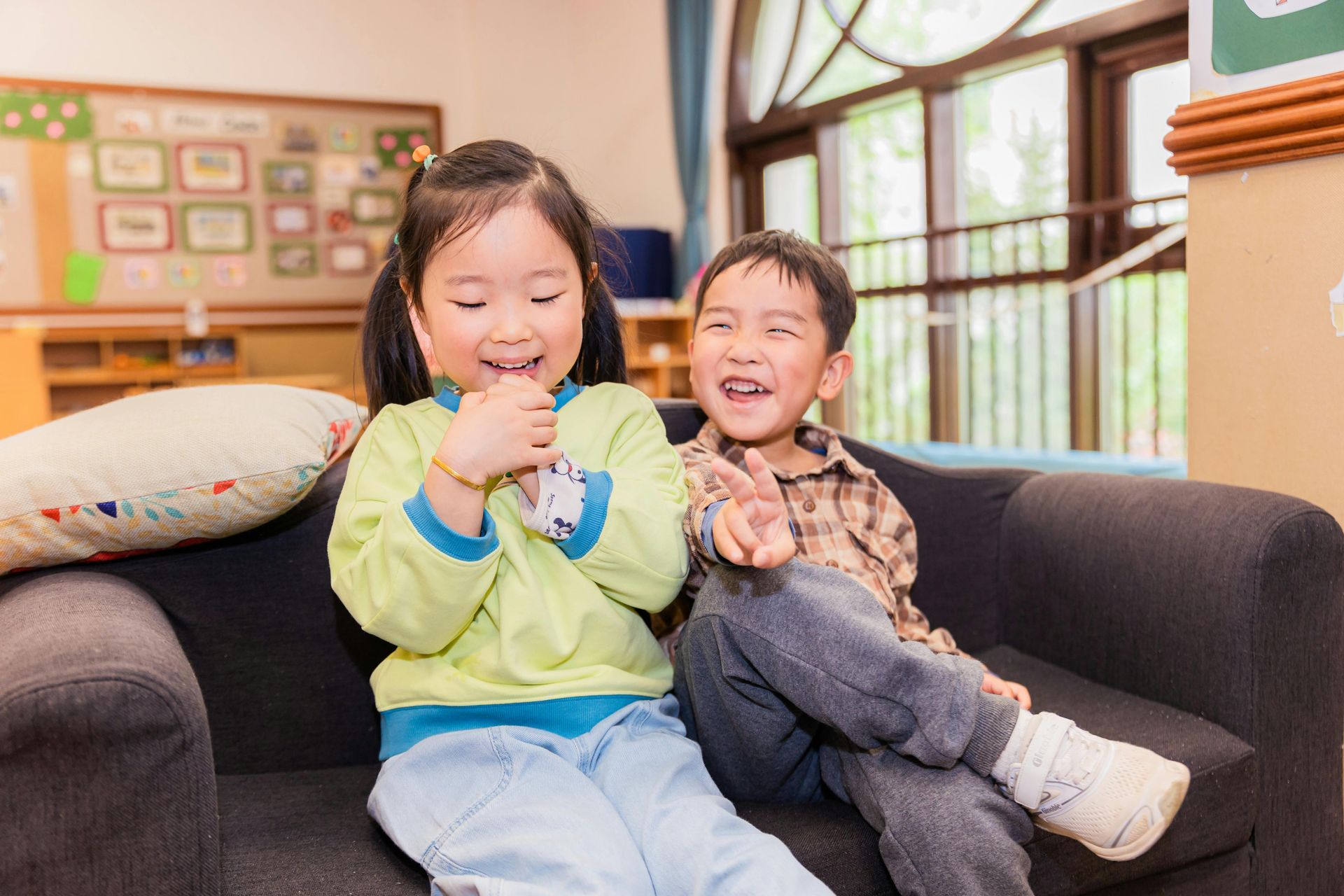
Children learn languages in the same way they discover the world—through curiosity, movement, imagination, and play. Play unlocks creativity, removes pressure, and allows English to develop naturally and joyfully.
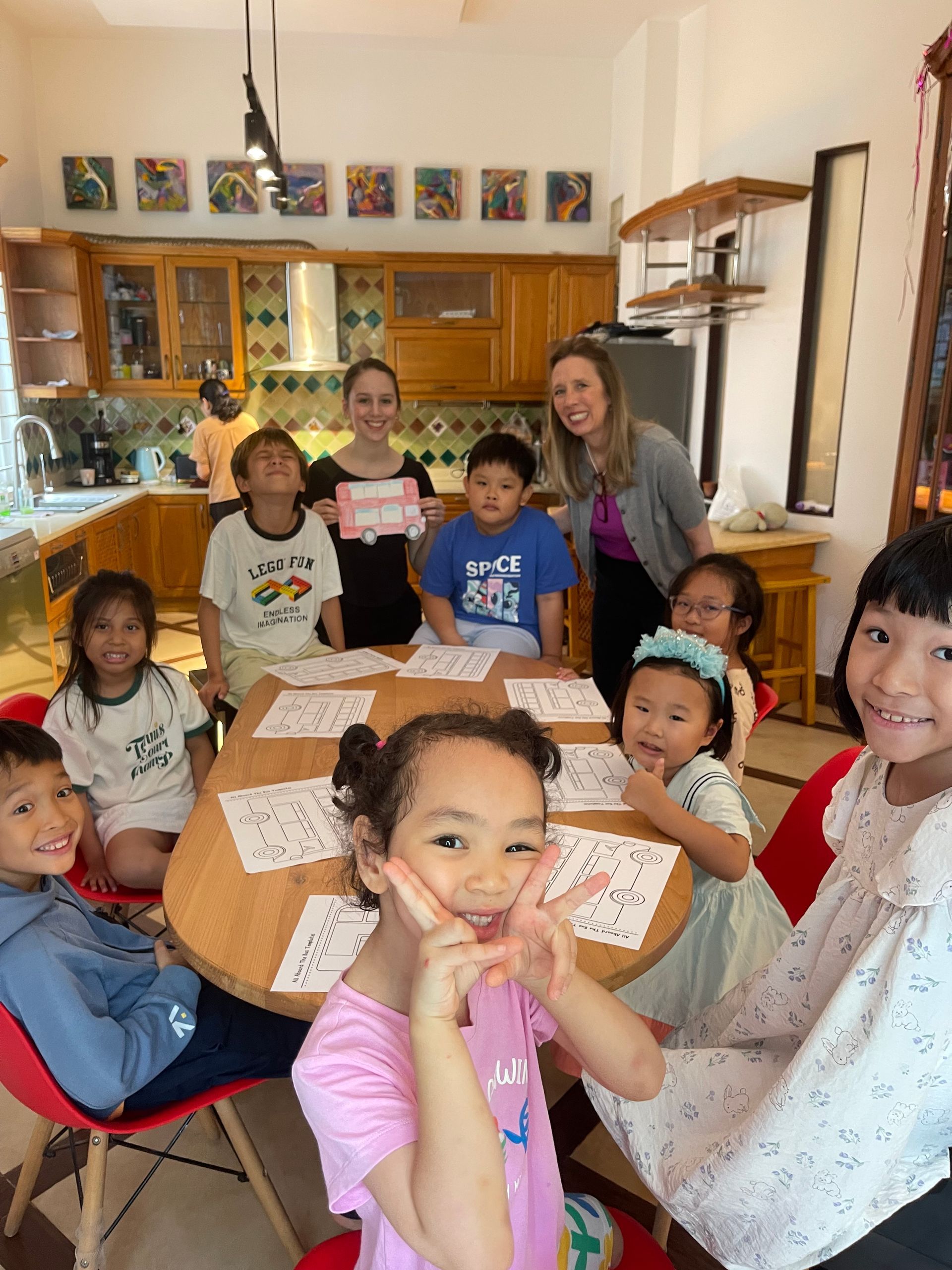
At Spark English Center Vietnam in Thảo Điền, we incorporate structured play into our curriculum because it accelerates English learning for Korean, Japanese, and Vietnamese children in international schools. When kids play, they speak more, think more, and engage more.
Here’s why play matters—and fun activities you can try at home.
🧩 1. Play Builds Natural English Communication
Play requires interaction. Whether children are building, pretending, drawing, or exploring, they naturally use English to express:
- ideas
- emotions
- instructions
- descriptions
- questions
This organic use of language builds fluency far more effectively than memorizing worksheets.
Why it works:
Children speak more when they’re not worrying about “being correct.” Play lowers stress and boosts confidence.
🎭 2. Pretend Play Strengthens Vocabulary & Imagination
Pretend play (role-play) encourages children to step into new worlds and use English creatively.
Example scenes:
- restaurant
- supermarket
- post office
- doctor’s clinic
- airport
- superhero adventure
Kids practice:
✔ functional language
✔ question patterns
✔ descriptive words
✔ polite phrases
✔ storytelling
Pretend play is one of the strongest tools for English development—and kids love it.
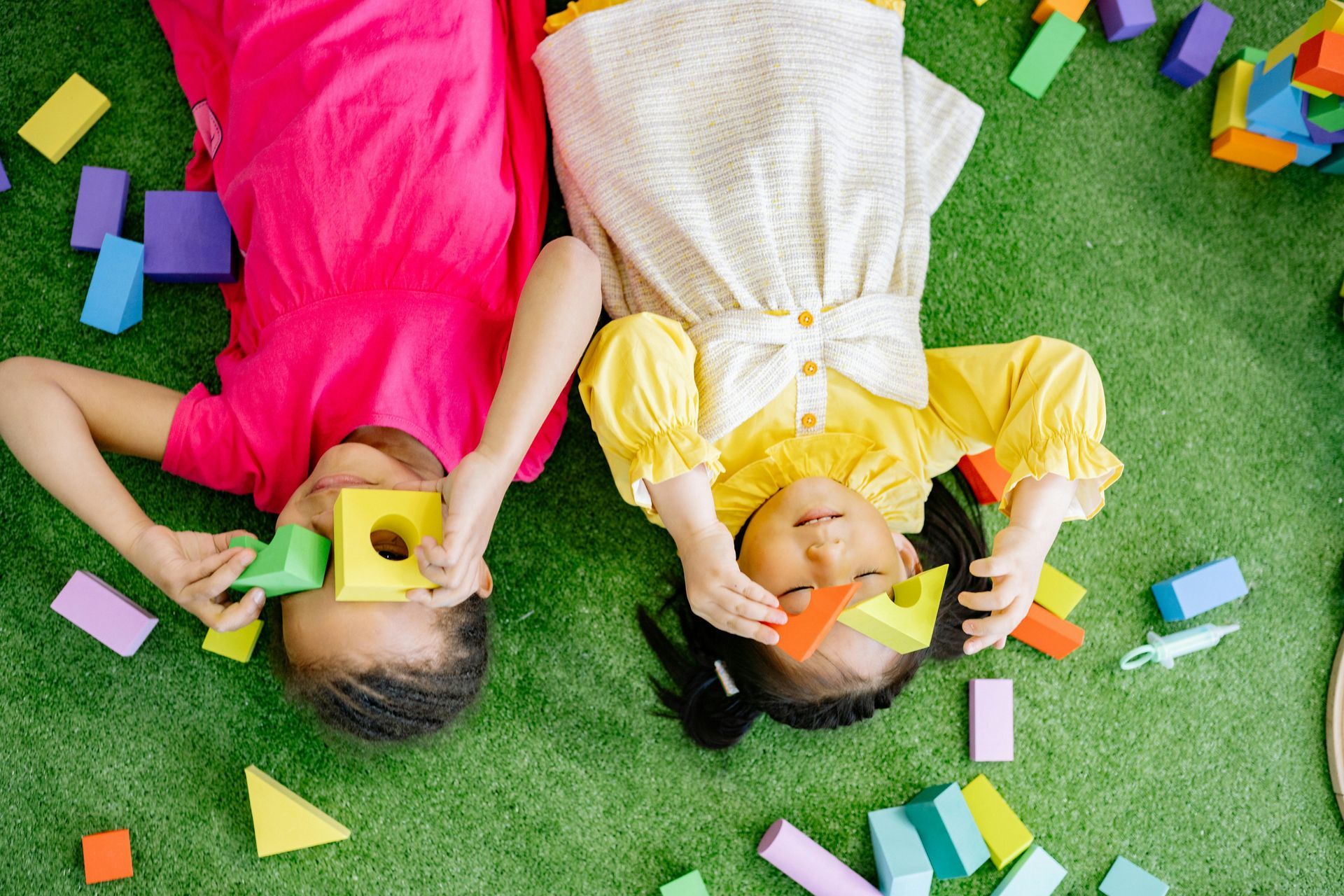
🎨 3. Creative Play Grows Descriptive Language
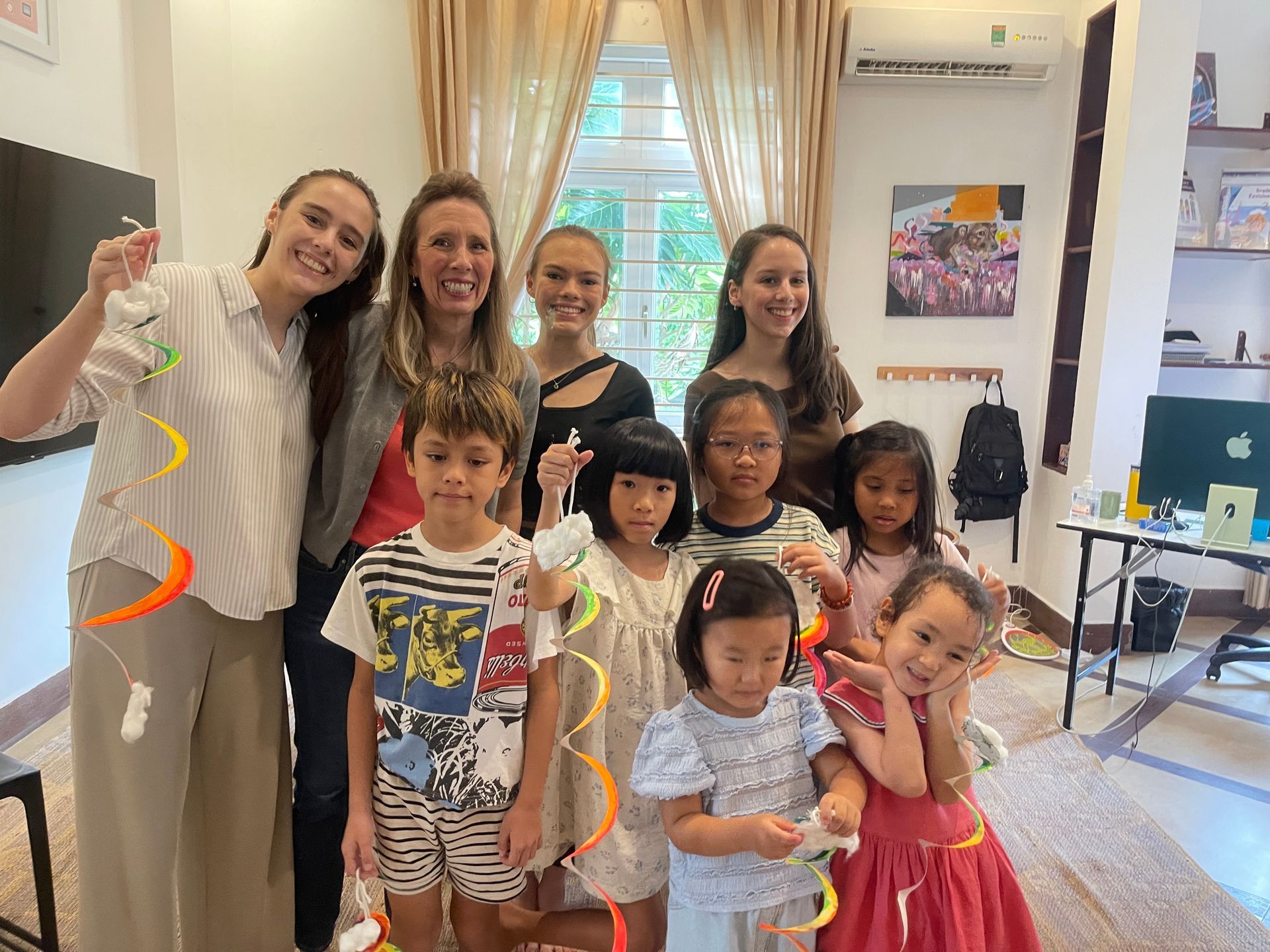
Drawing, crafting, building with LEGO, or designing characters invites children to describe:
- colors
- shapes
- actions
- ideas
- sequences
- emotions
Ask gentle questions:
- “Tell me about your robot.”
- “What is your character feeling?”
- “How did you build this?”
- “What should we add next?”
These conversations build expressive language without feeling like a lesson.
💬 4. Play Encourages Risk-Taking and Confidence
When kids play, they experiment. They try new words. They make silly sentences. They test pronunciations. They step out of their comfort zone.
This freedom builds:
✔ resilience
✔ willingness to communicate
✔ positive attitude toward English
✔ stronger speaking confidence
Play makes mistakes feel small and natural—essential for multilingual learners.
📚 5. Story Play Improves Comprehension & Sequencing
Story-based activities—acting out scenes, using puppets, retelling events—help children:
- understand story structure
- practice sequencing words (first, next, then, finally)
- explore new vocabulary
- build stronger memory
Pairing books with play activities deepens comprehension and makes reading enjoyable.
🏡 Fun, Easy Play-Based English Activities Parents Can Do at Home
Here are Spark-recommended activities you can start today:
🎲 1. “Treasure Hunt” Vocabulary Game
Call out clues:
- “Find something round!”
- “Find something that starts with /b/!”
- “Find something soft!”
Boosts: listening skills, vocabulary, phonics, critical thinking.
🧸 2. Toy Storytelling
Let your child choose toys and create a story.
Ask:
- “What happens next?”
- “Who is the hero?”
- “What problem do they solve?”
Boosts: sequencing, creativity, expressive English.
🧃 3. Snack Shop Role-Play
Turn snack time into a little English market.
Teach phrases like:
- “Can I have…?”
- “How much is…?”
- “Here you go!”
- “Thank you!”
Boosts: functional English and confidence.
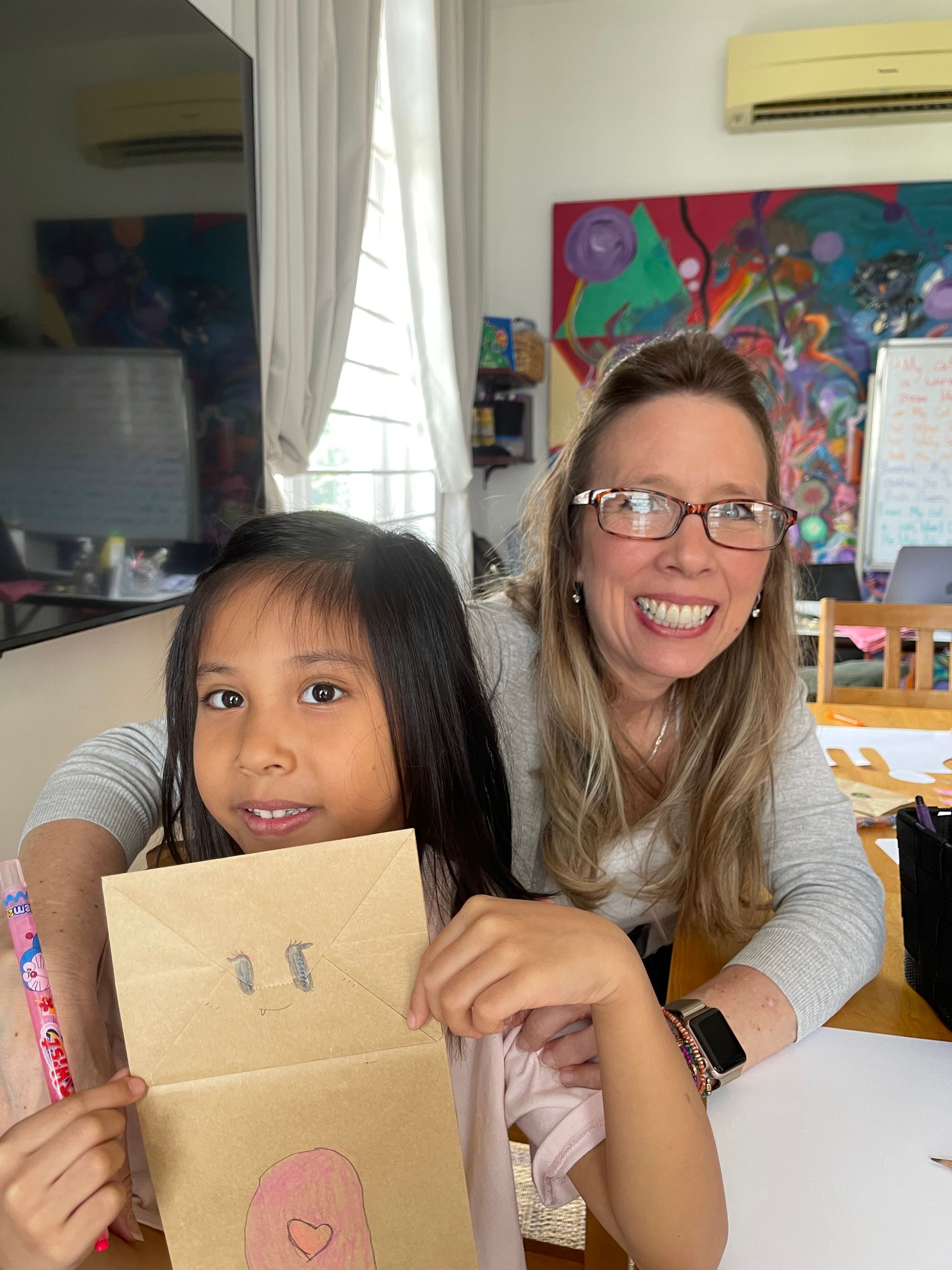
✏️ 4. Drawing + Description Challenge
Have your child draw something. Then ask them to describe it using three new words.
Boosts: vocabulary and descriptive language.
🎤 5. The “Yes, and…” Play Game
Start a silly story:
- “A dragon visited our home today…”
Your child must add on: - “Yes, and he wanted to eat spaghetti!” (example)
Boosts: improvisation, fluency, creativity.
⭐ Why Play Is at the Heart of Spark English Center Vietnam
At Spark, play isn’t an “extra”—it’s a core part of how children learn:
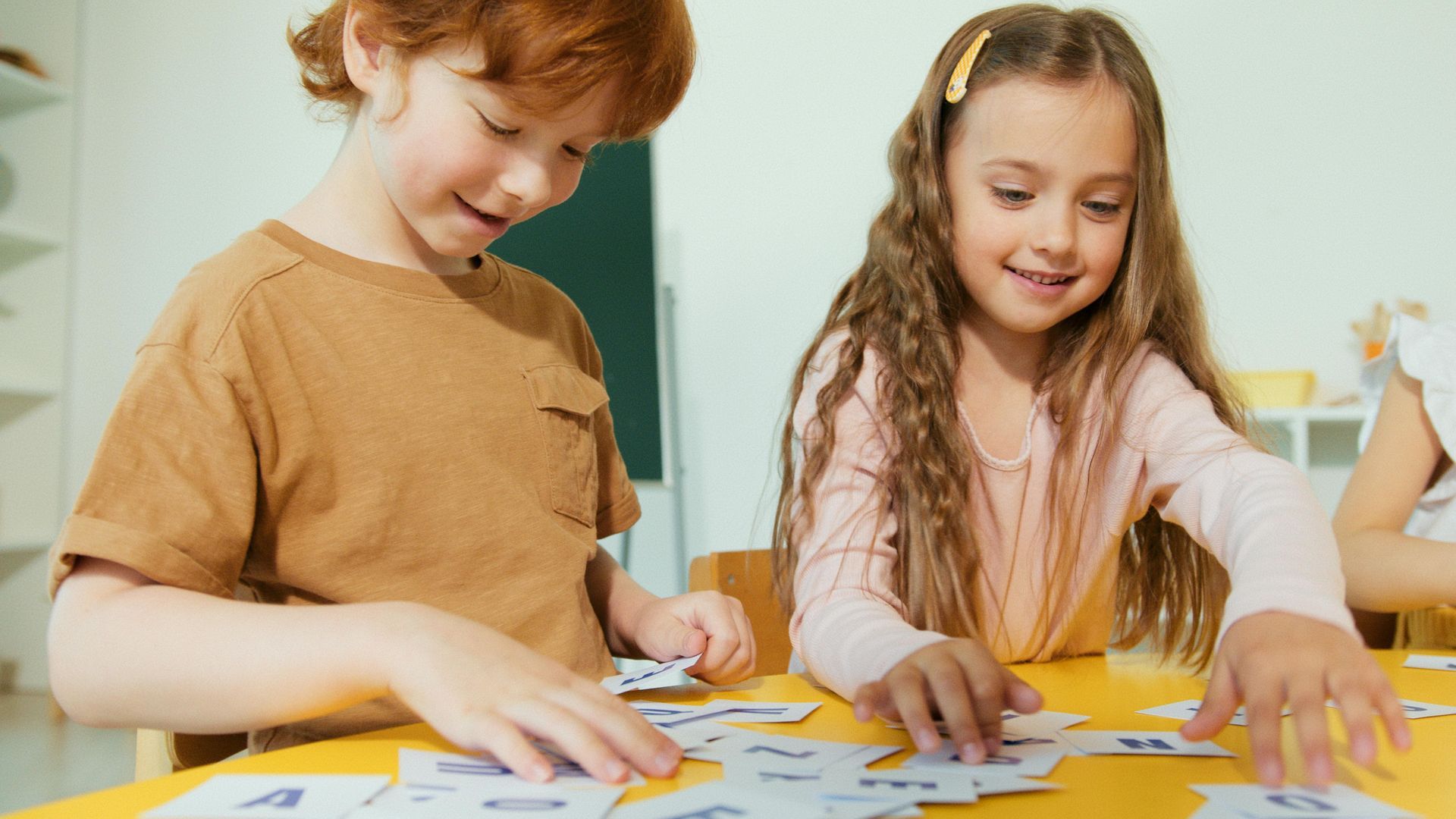
✔ phonics games
✔ movement-based listening
✔ drama and storytelling
✔ sensory-based vocabulary play
✔ creative writing prompts
✔ partner and group challenges
This approach helps children—especially Korean, Japanese, and Vietnamese ESL learners—become confident readers, thinkers, and speakers.
✨ Final Thought
Play is not the opposite of learning—it is learning.
When English feels fun and meaningful, children stay engaged, take more risks, and build skills that last.
If you want your child to develop strong English foundations through joyful, research-backed methods—
👉
Book a free English assessment today:
https://www.sparkvn.com/assessment