Why International School English Is So Hard for Many Students in Vietnam
This is How Parents Can Actually Fix It | Spark English Center Vietnam
“My Child Is Smart—So Why Is English Still So Difficult?”
This is one of the most common concerns parents raise at Spark English Center Vietnam, especially families whose children attend international schools in Ho Chi Minh City.
Many parents are surprised to discover that:
- their child understands lessons conceptually
- but struggles to follow discussions
- avoids reading independently
- feels overwhelmed by writing
- or becomes quiet and anxious in class
This disconnect can be deeply frustrating—for both parents and children.
The reality is this:
👉
International school English is a very specific kind of English—and most children are never explicitly taught how to handle it.
What “International School English” Really Demands
International schools don’t just require basic communication skills.
Students are expected to:
- read long, complex texts independently
- understand academic vocabulary across subjects
- explain reasoning out loud
- write structured paragraphs and essays
- keep up with fast-paced lessons
For students learning English as an additional language in Vietnam, this can feel like being asked to run before learning how to walk.
Why So Many Students Struggle (Even After Years of English)
1. English Has Been Learned Passively, Not Actively
Many children in Vietnam spend years:
- listening
- repeating
- memorizing
But they rarely practice producing language in meaningful ways.
In international schools, passive knowledge isn’t enough. Students must use English constantly—to think, explain, and create.
2. Phonics Gaps Create Long-Term Reading Struggles
One of the biggest hidden issues is weak phonics instruction.
Without systematic phonics, children:
- guess unfamiliar words
- rely on pictures or context
- read slowly and inaccurately
- struggle with spelling and writing
International schools assume students can already decode words independently. When this skill is missing, everything else becomes harder.
3. Large Classes Make It Easy to Fall Behind Quietly
In many international schools, classes are large and fast-moving.
Teachers may not realize a student is struggling until:
- grades drop
- confidence collapses
- the child stops participating
By then, the gap feels overwhelming.
4. Academic English Is Rarely Taught Explicitly
Many students speak conversational English reasonably well—but academic English is different.
It requires:
- subject-specific vocabulary
- complex sentence structures
- explanation and opinion language
- reading for meaning, not just speed
Without targeted instruction, students plateau.
5. Emotional Pressure Blocks Progress
Feeling “behind” in English can affect:
- confidence
- motivation
- willingness to take risks
Once English becomes stressful, progress slows—even for capable learners.
How to Fix the Problem: What Actually Helps
At Spark English Center Vietnam, we focus on bridging the gap between classroom expectations and real student ability.
✔ Step 1: Rebuild the Reading Foundation
We start by strengthening:
- phonics
- decoding
- spelling patterns
- reading fluency
This gives students control over English words—rather than guessing.
✔ Step 2: Teach the Language of School
We explicitly teach:
- academic vocabulary
- sentence expansion
- paragraph structure
- comprehension strategies
This directly supports international school learning across subjects.
✔ Step 3: Small Classes for Real Progress
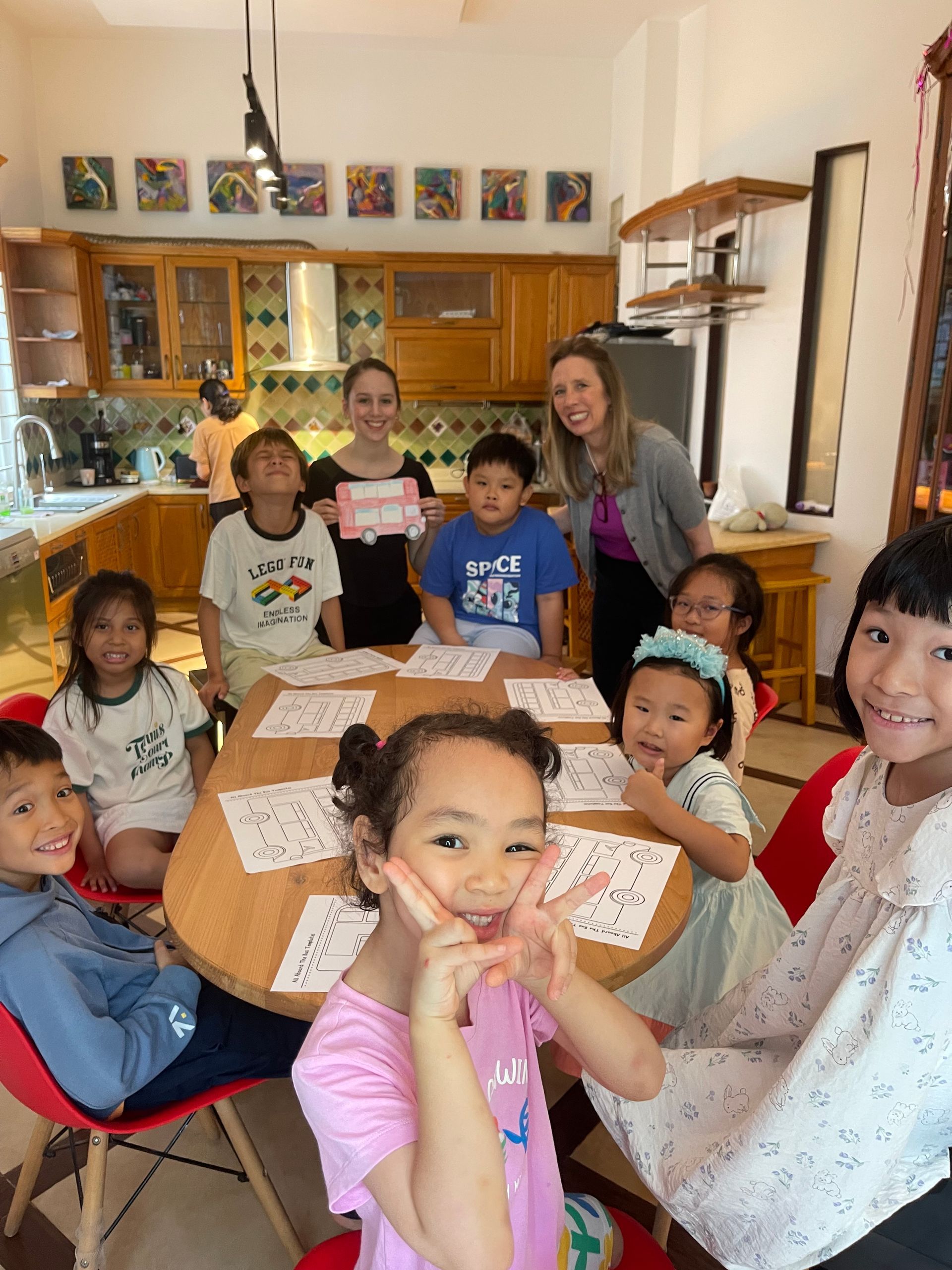
With classes capped at 4–6 students, every child:
- speaks every lesson
- reads aloud regularly
- receives immediate feedback
- progresses at the right pace
This is especially effective for shy or hesitant learners.
✔ Step 4: Make English Meaningful and Safe
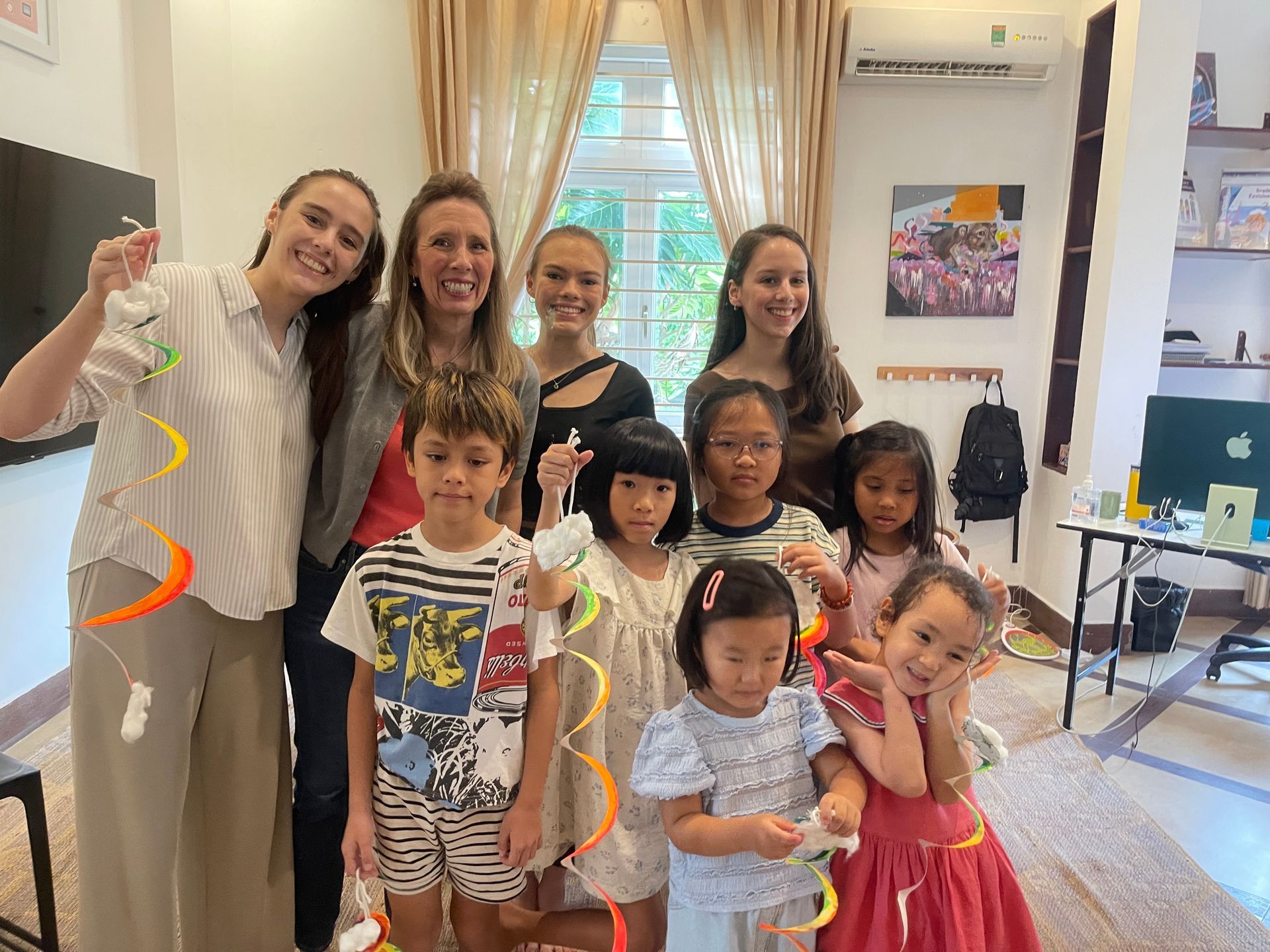
Through storytelling, discussion, and creative tasks, students:
- take risks
- express ideas freely
- build confidence naturally
When English feels safe, learning accelerates.
✔ Step 5: Support Parents Without Pressure
Parents don’t need to speak English fluently to help.
At Spark, we guide families on:
- reading routines
- simple home support strategies
- realistic expectations
Consistency—not perfection—makes the difference.
Who This Approach Helps Most
Spark’s international school preparation is especially effective for:
- Vietnamese students entering or attending international schools
- Korean and Japanese students adjusting to English-medium education
- students who understand lessons but struggle to express ideas
- children who feel anxious or behind in English
Why Parents Across HCMC Choose Spark
Families trust Spark English Center Vietnam because we offer:
⭐ phonics-based literacy foundations
⭐ targeted international school preparation
⭐ small, focused classes
⭐ ESL specialists
⭐ measurable progress
⭐ confidence-first learning
We don’t just teach English—we help children function confidently in international school environments.
Final Thought
If your child is struggling with international school English, it doesn’t mean they aren’t capable.
It means they need:
- the right foundation
- the right structure
- the right support
At Spark English Center Vietnam, we help students turn English from a barrier into a bridge.
👉
Book a free English assessment today:
https://www.sparkvn.com/assessment