Why Phonics Is the Missing Piece for ESL Students in International Schools
Many parents in Vietnam are surprised when they hear this: “Your child can speak English—but they can’t really read it yet.”
If your child attends an international school in Ho Chi Minh City (Saigon) and still struggles with reading, writing, or spelling, the issue is often not effort, intelligence, or exposure.
It’s phonics.
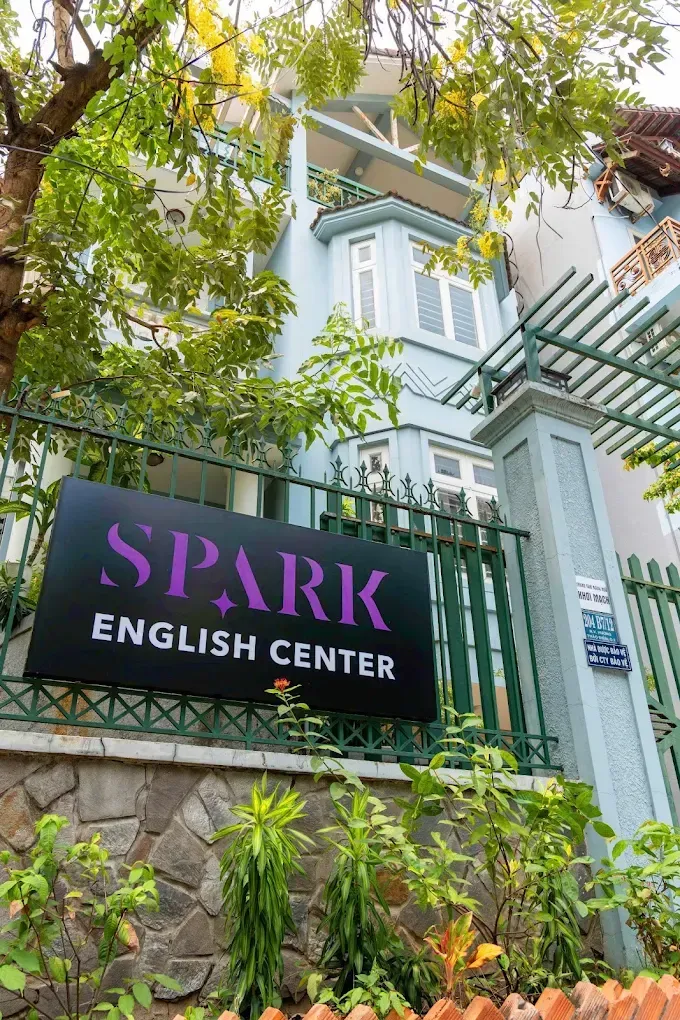
At Spark English Center Vietnam, we consistently see that phonics is the missing foundation for ESL students—even those surrounded by English every day.
What Is Phonics? (In Simple Terms)
Phonics teaches children how written English works.
It shows them:
- How letters and letter groups represent sounds
- How to decode unfamiliar words
- How to read independently—without guessing
Phonics is not memorizing words.
It’s learning the system behind the language.
Why Many ESL Students Never Learn Phonics Properly
In international schools, phonics is often:
- Brief
- Assumed
- Taught very early
- Not revisited once gaps appear
For native English speakers, this can work.
For ESL students, especially in Vietnam, it often doesn’t.
The Result: Guessing Instead of Reading
Without phonics, students:
- Rely on pictures and context
- Memorize words instead of decoding them
- Avoid reading aloud
- Read slowly and inaccurately
This affects every subject—because all subjects require reading.
Why Immersion Alone Can’t Fix This
Immersion exposes children to English, but it doesn’t:
- Explain sound–letter patterns
- Teach decoding strategies
- Fill foundational reading gaps
You can hear a language all day—but without phonics, reading remains a mystery.
Why Phonics Is Especially Important for ESL Students
For Vietnamese, Korean, and Japanese learners:
- English spelling does not match their first language
- Sound systems are very different
- Guessing becomes a common coping strategy
Phonics provides clarity and structure—exactly what ESL learners need.
What Strong Phonics Changes Immediately
When phonics is taught properly, parents notice:
- Faster reading
- Fewer guessing errors
- Better spelling
- Improved confidence
- More independent learning
Reading stops being stressful—and starts making sense.
How Phonics Supports International School Success
Phonics doesn’t just help with reading class.
It supports:
- Science textbooks
- Math word problems
- Social studies readings
- Writing assignments
- Homework independence
A child who can decode confidently can learn across the curriculum.
Why Spark’s Phonics Approach Works
At Spark English Center Vietnam, phonics is:
- Systematic (not random)
- Taught in small groups
- Revisited until mastery
- Applied immediately to reading and writing
We don’t rush it—and we don’t skip steps.
Phonics Without Pressure
Spark’s phonics lessons are:
- Clear
- Structured
- Supportive
- Confidence-building
Children are encouraged to:
- Make mistakes
- Ask questions
- Read aloud without fear
This is especially important for students who already feel behind.
The Earlier the Gap Is Addressed, the Faster the Progress
When phonics gaps are identified early:
- Progress accelerates
- Confidence returns
- Academic stress decreases
Waiting makes gaps harder to close.
How to Know If Your Child Needs Phonics Support
Common signs:
- Guessing words while reading
- Avoiding reading aloud
- Weak spelling
- Slow reading speed
- Frustration during homework
If you recognize these, phonics support is likely needed.
Start With a Free Reading Assessment
At Spark, we begin with clarity—not assumptions.
Our free assessment checks:
- Phonics foundations
- Reading accuracy and fluency
- Spelling patterns
- Writing readiness
You’ll receive:
- Honest feedback
- Clear explanations
- Practical next steps
👉
Book your free assessment here:
https://www.sparkvn.com/Assessment