Action-Packed Learning: Fun Ways Kids Explore Everyday Language Through Play | Spark English Center Vietnam
✨ Introduction
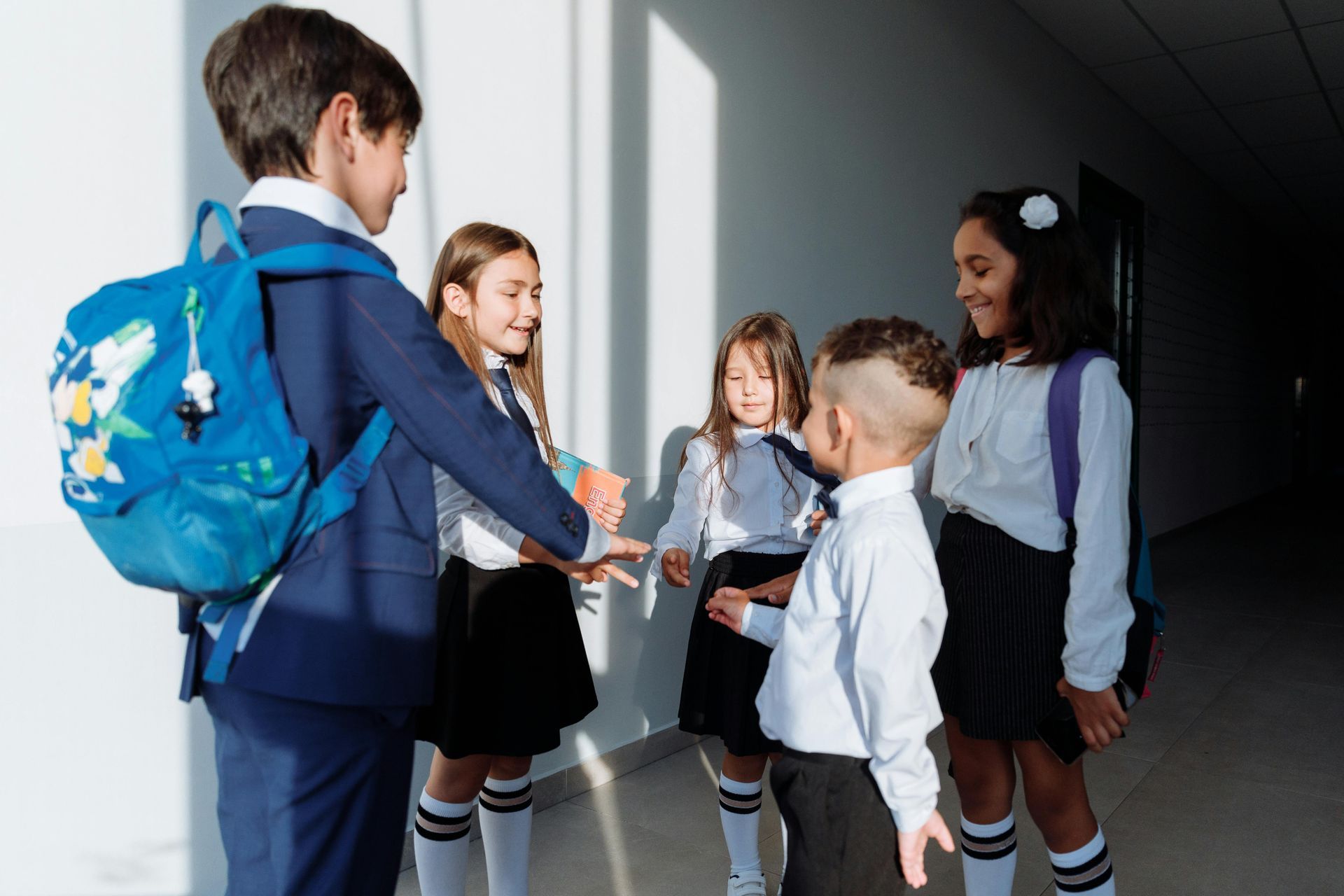
Children learn language best when they’re moving, laughing, imagining, and experimenting—not sitting silently at a desk. Play is the natural language of childhood, and when learning taps into that playfulness, English becomes something children want to explore rather than something they must memorize.
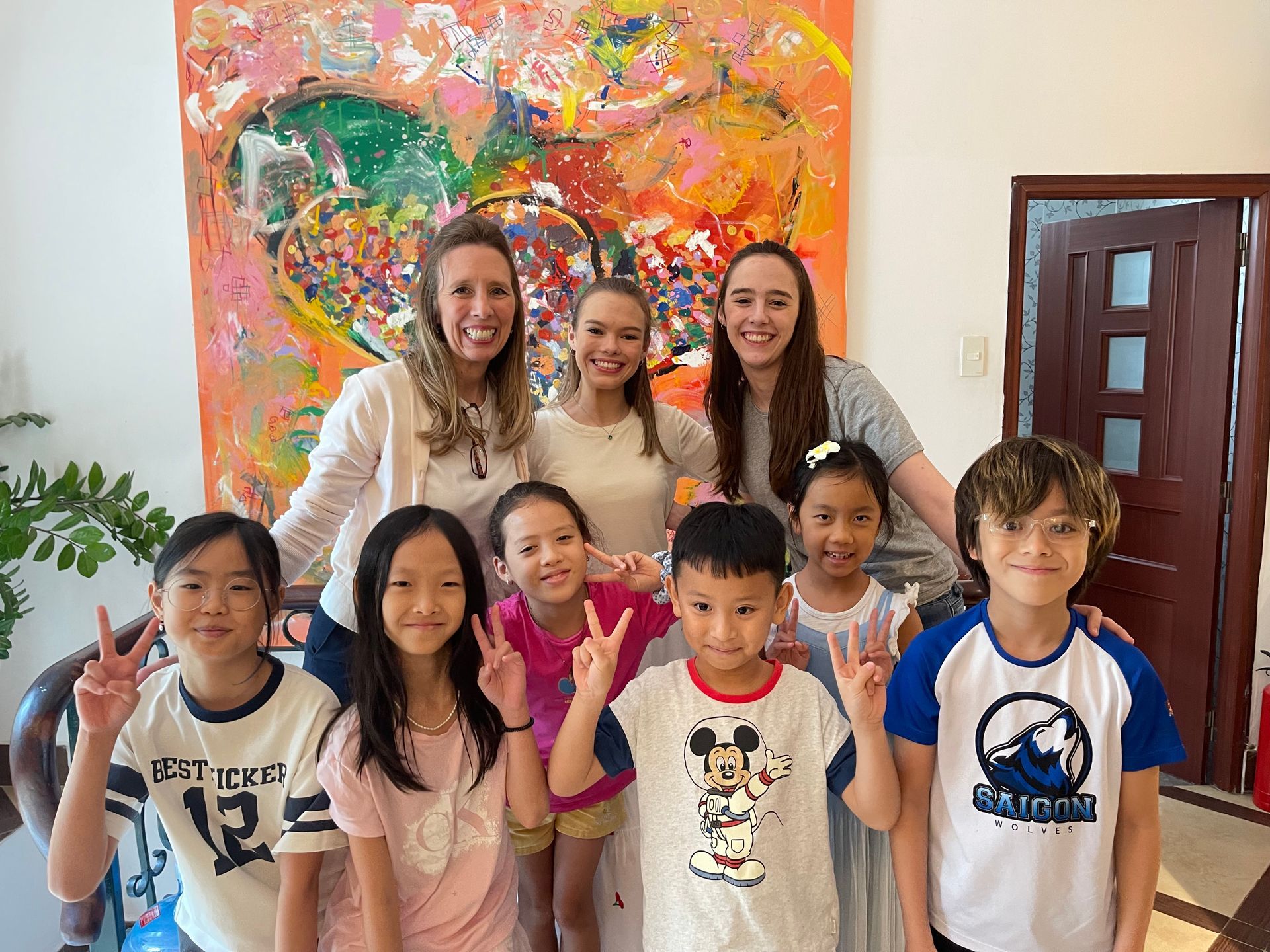
At Spark English Center Vietnam, we’ve seen how action-packed, hands-on activities transform English learning for Korean, Japanese, and Vietnamese children attending international schools in Thảo Điền. Play sparks curiosity. Curiosity sparks language. And language sparks confidence.
Here are fun, meaningful ways kids can explore everyday English through play.
🟡 1. Treasure Hunts: Vocabulary in Motion
Children learn new words faster when their bodies are involved. A simple treasure hunt turns vocabulary into a real-life adventure.
Examples:
- “Find something soft!”
- “Find something that starts with /sh/!”
- “Bring me something yellow!”
This builds:
✔ vocabulary
✔ sound awareness
✔ listening skills
✔ quick thinking
Kids don’t even realize they’re practicing English—they just know they’re having fun.
🟢 2. Role-Play Adventures: Turning English Into Performance
Role-playing transforms language from passive to expressive.
Create scenes such as:
- A restaurant
- A grocery store
- A doctor’s clinic
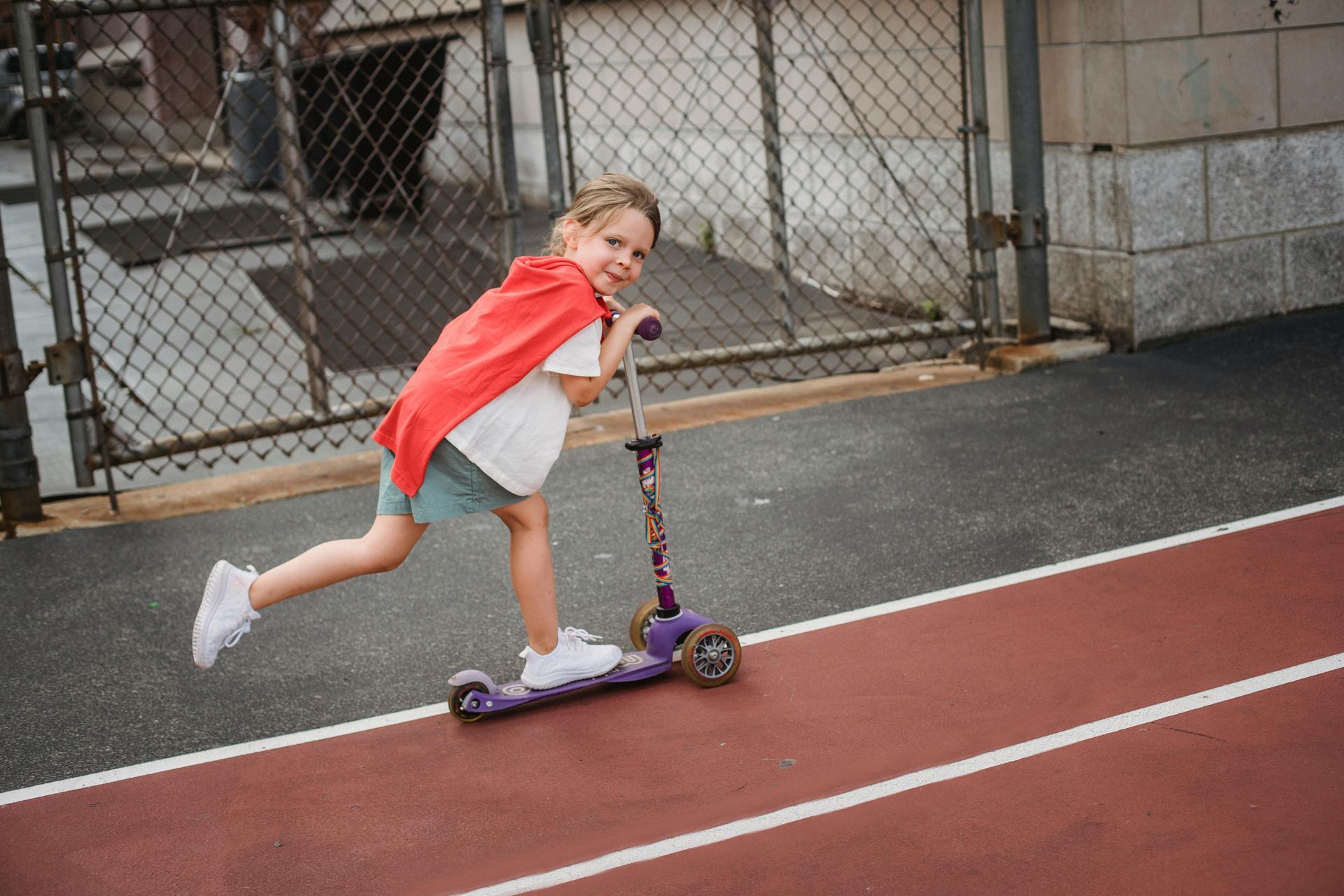
- A superhero headquarters
- A magical forest
Children get to:
- use polite phrases
- ask questions
- describe actions
- solve problems
- build confidence speaking to others
Role-play is especially powerful for shy or hesitant ESL learners because it gives them a character to “hide behind” as they practice speaking.
🔵 3. Sensory Play: Language Through Touch, Texture, and Discovery
Children think better when their senses are activated. Sensory play activities—like water bins, tactile letters, slime, clay, or textured cards—help kids connect English words with real sensory experiences.
Examples:
- “Squishy,” “smooth,” “rough,” “sticky”
- Sorting objects by size or temperature
- Building letters out of clay
This expands vocabulary and strengthens descriptive language.
🟣 4. Story-Building Games: Creativity Meets Communication
Children love inventing wild stories. Use that imagination to boost English skills.
Try:
- “Roll a Story” dice
- Picture-card storytelling
- “What happens next?” challenges
- Story chains (each person adds one sentence)
These activities grow:
✔ sentence structure
✔ sequencing
✔ expressive language
✔ imagination and confidence
Kids who struggle with writing often excel when stories start orally through play.
🔴 5. Movement Games: High Energy = High Engagement
Young learners need to move. When movement is added to language learning, focus and retention skyrocket.
Examples:
- “Simon Says” with action verbs
- Obstacle courses using instructions
- English “freeze dance”
- Vocabulary relay races
These games practice comprehension, verbs, and following instructions—all while burning energy in a healthy way.
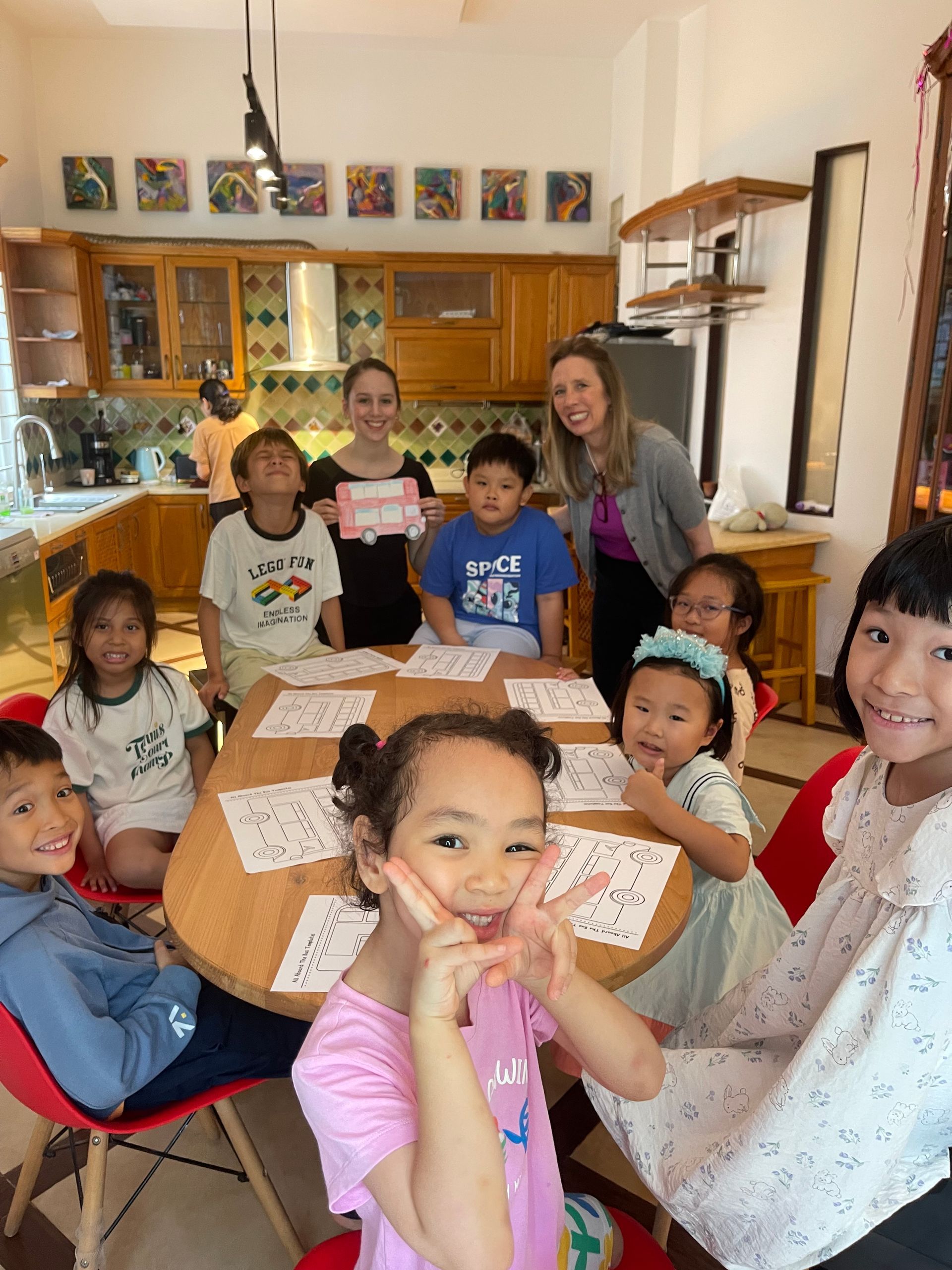
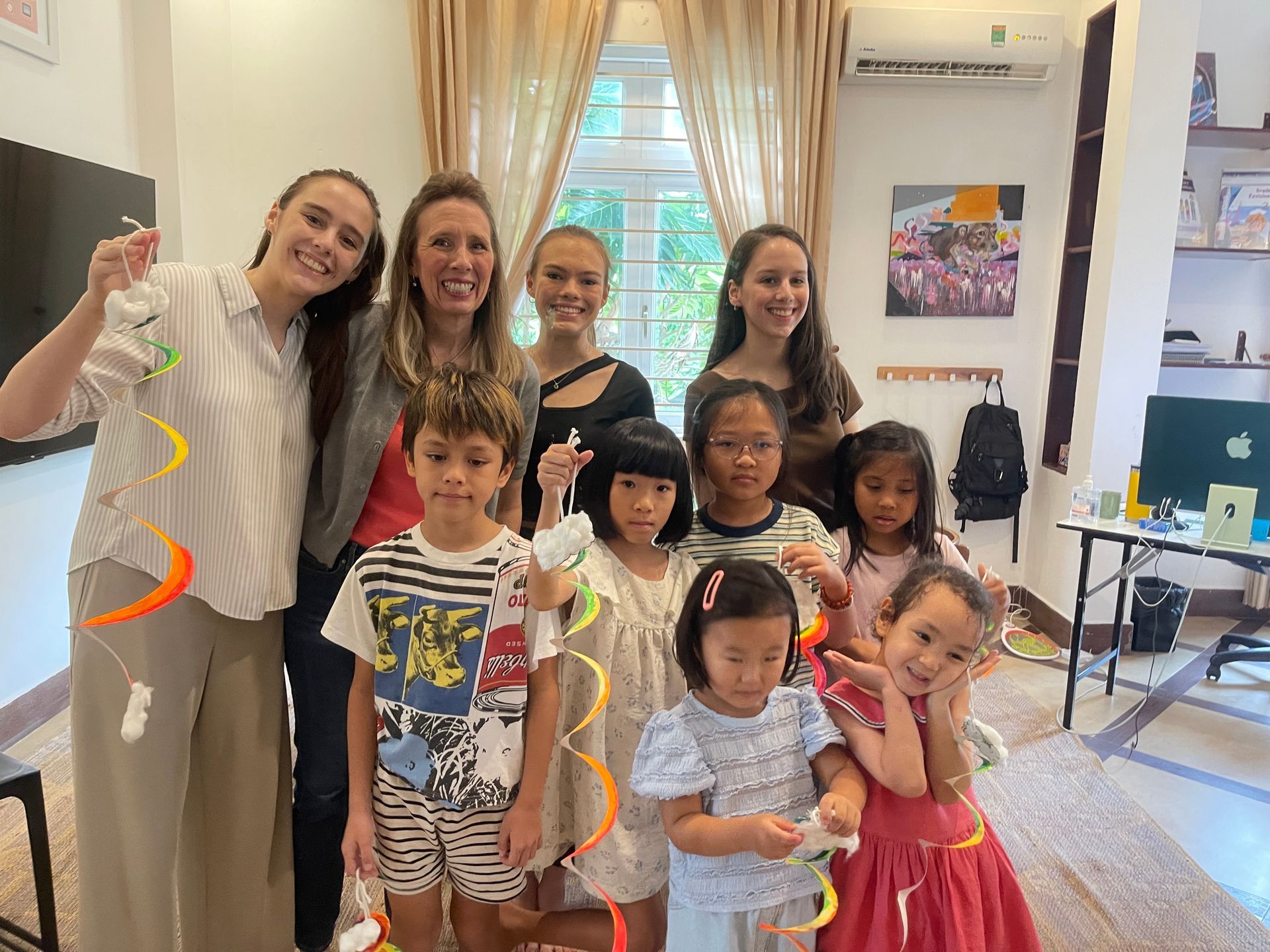
🟠 6. Building & Craft Activities: Language With Purpose
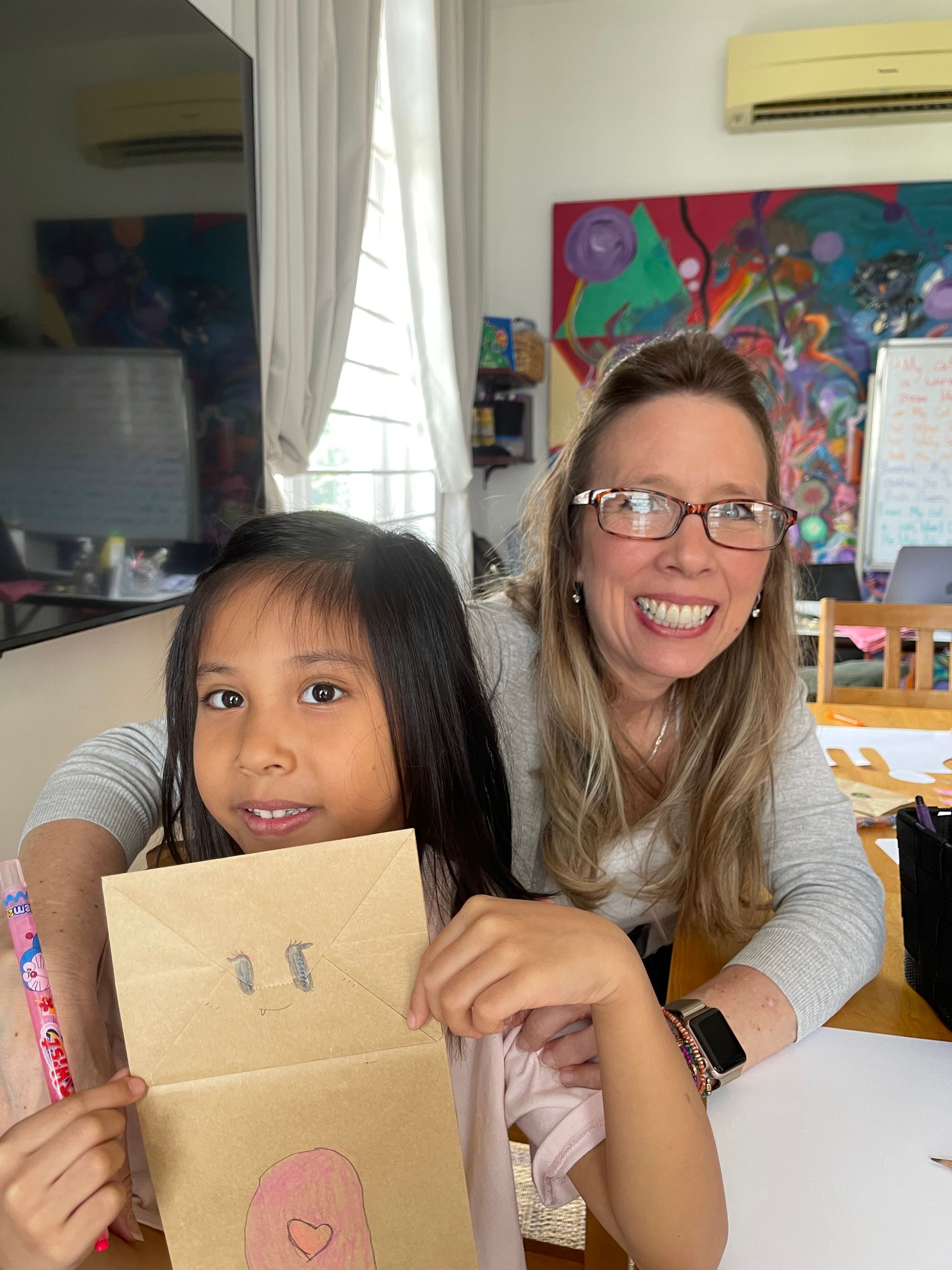
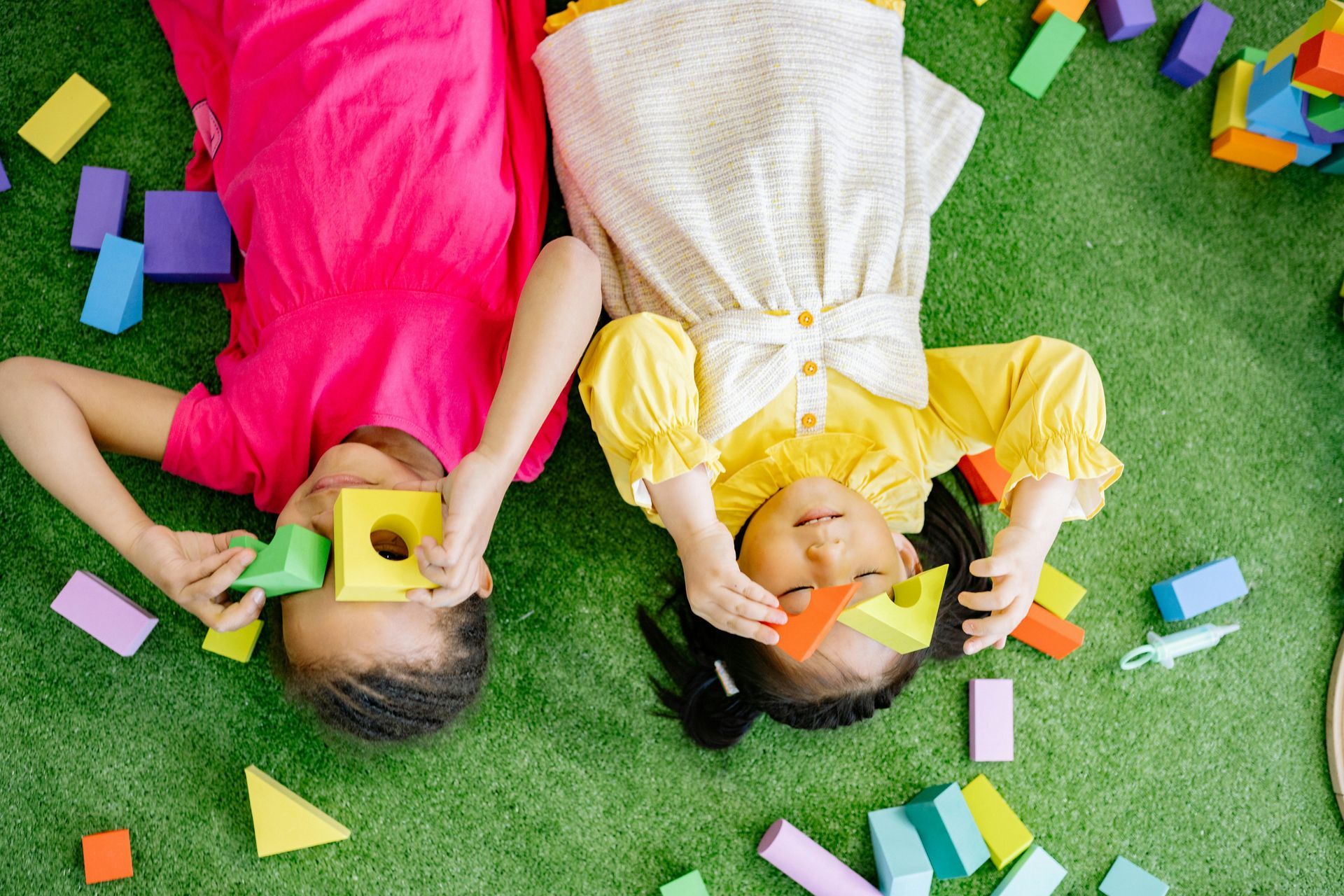
Hands-on creations—like Lego builds, craft projects, or drawing challenges—give children a reason to use English.
Prompts such as:
- “Describe what you’re building.”
- “Tell me the story behind this drawing.”
- “Explain how this works.”
…push kids to practice speaking without pressure.
Craft-based language learning also supports:
✔ sequencing (“First… then… finally…”)
✔ prepositions (“under,” “next to,” “between”)
✔ comparison language (“bigger,” “longer,” “faster”)
⭐ Why Play Works So Well at Spark English Center Vietnam
Our signature approach blends structured English instruction with movement, imagination, creativity, and hands-on activities. This is especially helpful for multilingual students who need engaging pathways into English—not more worksheets.
At Spark, children learn through:
✔ interactive phonics
✔ playful reading comprehension tasks
✔ drama and storytelling
✔ sensory-based vocabulary practice
✔ small-class collaboration
✔ games that reinforce real academic skills
It’s English learning that feels like childhood—not like homework.
✨ Final Thought
When learning is joyful and action-packed, children absorb English naturally and confidently. Play gives them the freedom to experiment, the motivation to participate, and the foundation to thrive in international-school environments.
At Spark English Center Vietnam, we believe that play is not the opposite of learning—
play is how children learn best.
👉
Book a free English assessment today:
https://www.sparkvn.com/assessment