How International School Students in Vietnam Can Keep Learning During School Breaks—Without Burnout
“Should we be doing something during the break… or just let them rest?”
It’s a question many parents in Ho Chi Minh City (Saigon) quietly wrestle with every school holiday. On one hand, children need rest. On the other, parents worry—often rightly—that long breaks might undo months of hard-earned progress in English.
If this sounds familiar, you’re not overthinking it. And you’re certainly not alone.
The good news? Supporting your child’s English during school breaks doesn’t require worksheets, drills, or turning holidays into school-at-home. In fact, the most effective approach often looks nothing like “studying” at all.
Why School Breaks Can Quietly Affect English Skills
For children learning in international schools, English isn’t just a subject—it’s the language of every lesson, instruction, and assessment.
During long breaks, especially in non-English-speaking environments:
- Reading stamina can drop
- Vocabulary becomes less accessible
- Writing confidence fades
- Children rely more on guessing or translation
This isn’t a lack of effort. It’s how the brain works. Skills that aren’t used regularly weaken over time—a process educators call learning loss.
For ESL learners in Vietnam, these effects can appear faster and more noticeably.
The Biggest Mistake: Turning Breaks Into More School
When parents notice learning loss, the instinct is understandable: add structure, assign work, push consistency.
But heavy-handed approaches during holidays often lead to:
- Resistance and frustration
- Anxiety around English
- Burnout before the new term even begins
International schools already demand high levels of focus. Breaks should restore energy—not drain it.
What works instead is low-pressure, meaningful exposure.
Reading for Pleasure Still Counts (More Than You Think)
One of the most effective ways to keep English alive during school breaks is also one of the simplest: reading for enjoyment.
This doesn’t mean:
- Levelled readers only
- Comprehension questions after every page
- Correcting every mistake
It means letting children:
- Choose books they’re curious about
- Read comics, graphic novels, short stories
- Reread favourites
Enjoyment keeps language active in the brain. When children associate English with comfort and curiosity, they return to school more confident—not rusty.
Writing Doesn’t Have to Look Like Homework
Formal writing tasks often disappear during holidays—and that’s okay.
But language still grows when children write informally, such as:
- Keeping a simple journal
- Writing messages to relatives
- Making lists, plans, or captions
- Inventing short stories or comics
These small acts maintain sentence structure, vocabulary access, and expressive confidence without the pressure of “doing it right.”
Language Lives Outside Books Too
One of the most overlooked learning opportunities during breaks is everyday life.
English naturally develops through:
- Conversations at meals
- Cooking together and naming steps
- Travel experiences
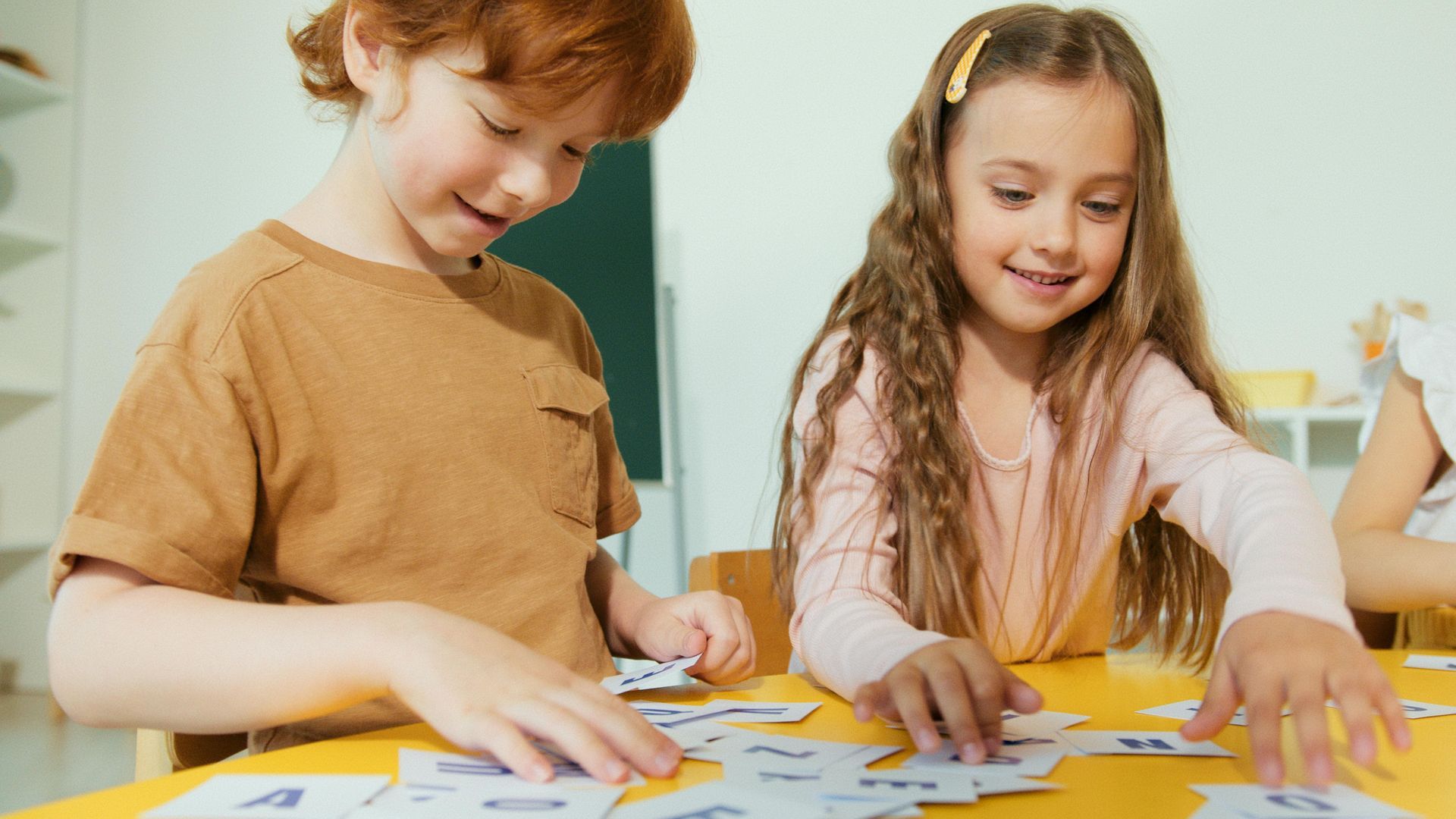
- Board games and card games
- Storytelling about the day
These moments strengthen oral language, which directly supports reading comprehension and writing later on.
For international school students in HCMC / Saigon, this kind of language exposure bridges the gap between home and classroom expectations.
Consistency Without Burnout: What It Actually Looks Like
Consistency doesn’t mean daily lessons.
It might look like:
- Reading together a few times a week
- Writing occasionally, without correction
- Talking about stories, movies, or experiences
- Keeping English present—but light
The goal isn’t acceleration during the break. It’s maintenance with ease.
How Structured Support Helps Before and After Breaks
While holidays should feel relaxed, many parents worry about whether their child is genuinely keeping up with international school demands.
That’s where structured guidance matters—outside of holiday pressure.
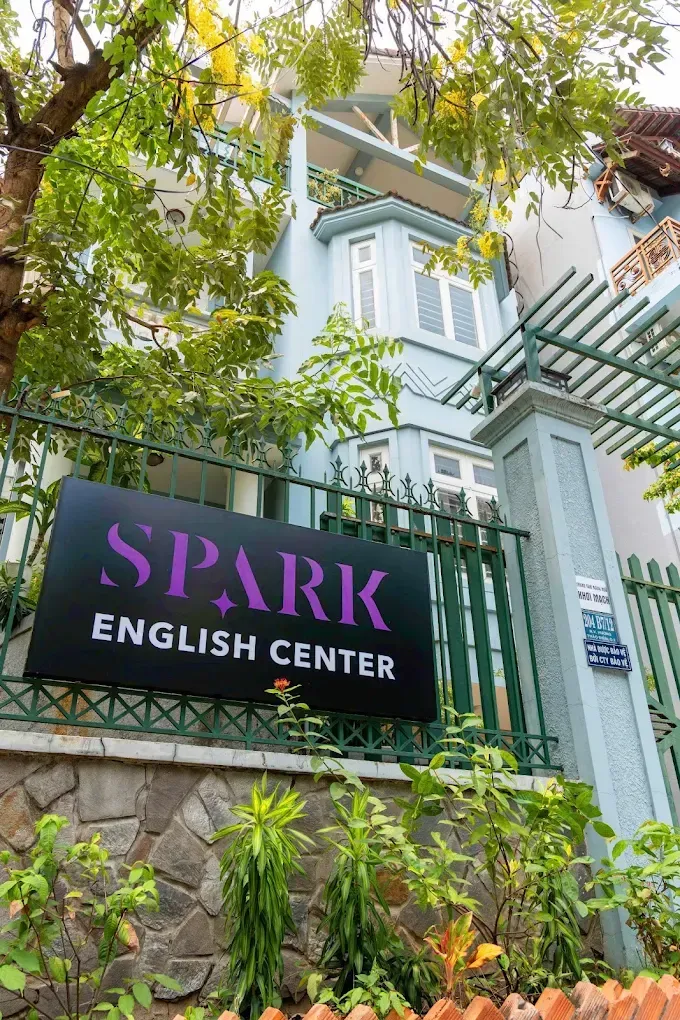
At Spark English Center Vietnam, we often help families:
- Identify which skills are most vulnerable to learning loss
- Strengthen phonics foundations that support reading accuracy
- Build structured literacy skills that carry across subjects
- Prepare students to re-enter school confidently
With small groups and a clear progression, students don’t feel like they’re “catching up”—they feel ready.
Spark proudly serves international school families across Ho Chi Minh City (Saigon), supporting long-term English growth rather than short-term fixes.
Frequently Asked Questions
Should my child study English every day during school breaks?
Not necessarily. Light, consistent exposure is more effective than daily structured study.
Is learning loss real for younger children?
Yes. Early literacy skills, especially reading accuracy and fluency, are particularly sensitive to long gaps.
What if my child refuses anything that feels like learning?
That’s a sign they need a break from pressure—not from language. Focus on enjoyment and conversation instead.
Do international schools expect children to maintain English over holidays?
Schools assume language skills remain active. External support often fills the gap for ESL learners.
Can phonics still help older students?
Absolutely. Phonics supports accurate reading and spelling at all ages, especially for ESL students.
How can I tell if my child lost skills over the break?
Changes in reading confidence, increased guessing, or reluctance to write are common signs.
A Simple Way to Start the New Term Strong
If you’re unsure how school breaks are affecting your child’s English, a clear assessment can remove the guesswork.
At Spark English Center Vietnam, our free assessment looks at:
- Phonics foundations
- Reading accuracy and fluency
- Language comprehension
- Writing readiness for international school expectations
You’ll receive:
- Honest feedback
- Clear explanations
- Practical next steps—no pressure
👉
Book your free assessment here:
https://www.sparkvn.com/Assessment
Spark English Center Vietnam supports international school families throughout
Ho Chi Minh City (Saigon)—helping children return to school refreshed, confident, and ready to learn.