My Child Got Accepted to an International School—But Their English Isn’t Ready. What Now?
ou opened the email and felt the relief immediately.
“Congratulations. Your child has been accepted.”
Months of worry, interviews, assessments, and waiting — finally over.
And then, quietly, another feeling crept in: “But… what if their English isn’t good enough?”
If you’re a parent in Vietnam — especially in Ho Chi Minh City — this moment is incredibly common.
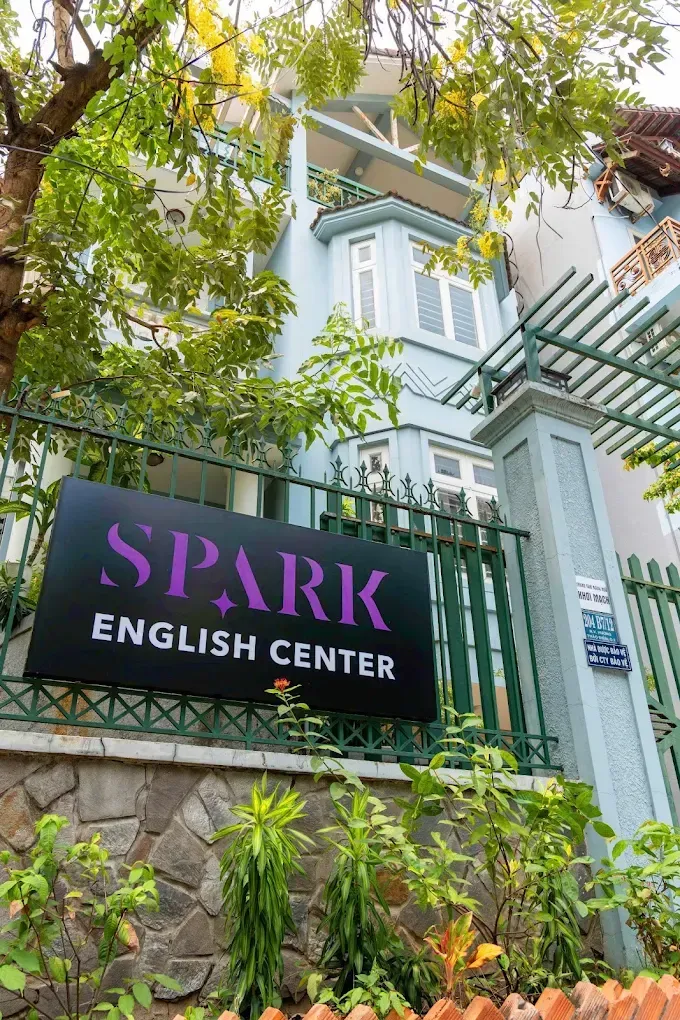
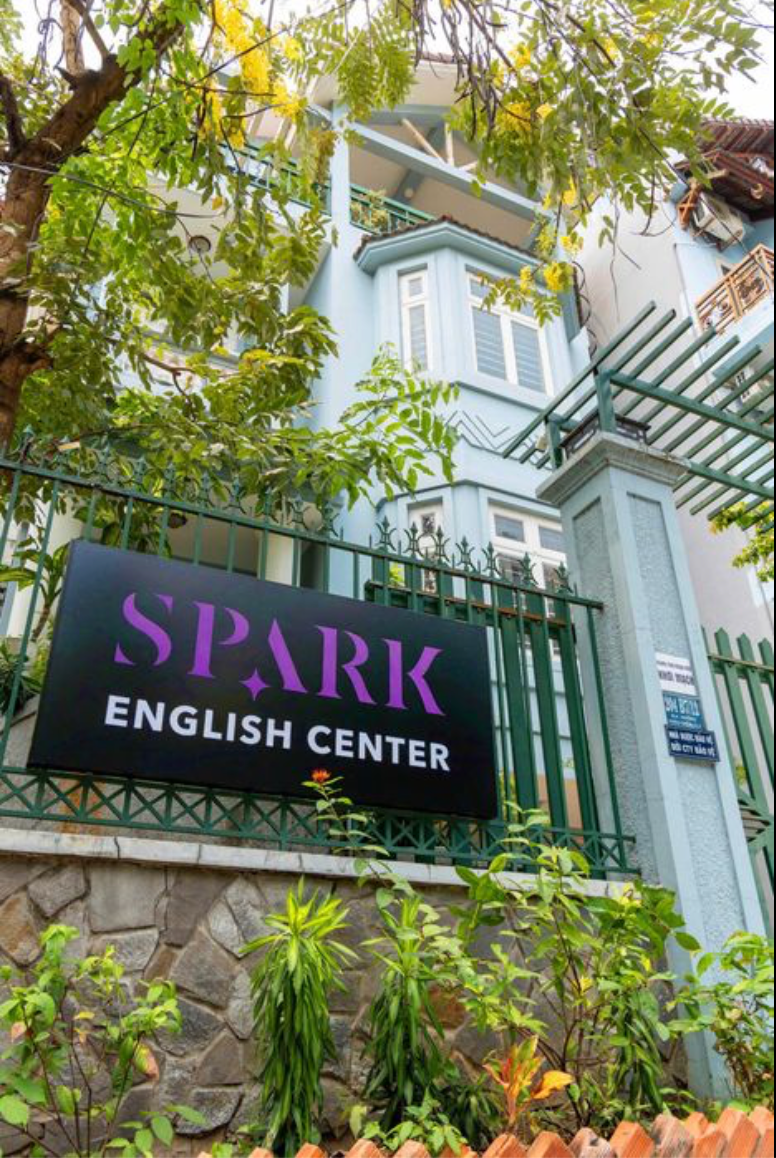
At Spark English Center Vietnam, we speak to families in this exact situation
every single week.
The good news?
👉 Your child is not behind.
👉 You haven’t “missed the window.”
👉 And this problem is fixable — if you respond the right way, early.
Let’s walk through what’s really happening and what to do next.
First: Take a Breath — This Is Extremely Common
International schools in Vietnam do not expect perfect English at entry, especially for younger students.
Admissions teams look for:
- Age-appropriate development
- Learning potential
- Willingness to communicate
- Overall readiness — not fluency
What they assume (sometimes too quietly) is that:
Families will provide targeted English support during the transition.
So if your child was accepted but isn’t fully English-ready yet, that doesn’t mean the school made a mistake.
It means your child needs a bridge.
What “English Isn’t Ready” Actually Means
Most parents don’t mean “my child knows no English.”
They usually mean one of these:
🧠 “They can speak, but don’t really understand the classroom”
- Miss instructions
- Freeze during discussions
- Copy what others do
📖 “They can read, but not independently”
- Guess words from pictures
- Struggle with new vocabulary
- Read slowly and avoid reading aloud
✍️ “They can write sentences, but not school-style writing”
- Short, simple answers
- Difficulty explaining ideas
- Frustration with written tasks
These are academic English gaps, not intelligence gaps.
And academic English is very different from everyday conversation.
Why Immersion Alone Often Fails
Many parents hear: “Don’t worry — they’ll pick it up naturally once school starts.”
Sometimes that works.
But very often, it doesn’t.
Here’s why:
- International school classrooms move fast
- Teachers can’t slow down for one child
- Children who don’t understand stop participating
- Confidence drops quickly
- Anxiety rises — especially around reading and writing
What starts as a language gap can quietly turn into:
- Avoidance
- Behavioral issues
- “My child hates school”
- “They used to love learning, now they don’t”
This is exactly where early support matters most.
The Real Solution: Prepare, Don’t Panic
The goal is not to “cram English.”
The goal is to give your child the tools international schools assume they already have.
At Spark, we focus on three non-negotiables.
1️⃣ Strong Phonics = Reading Independence
Many children entering international schools:
- Memorize words
- Guess from context
- Rely on adults
That works — until Year 1, Year 2, Year 3… when texts get harder.
Systematic phonics gives children:
- A decoding toolbox
- Confidence with unfamiliar words
- Independence in reading and spelling
Without phonics, children survive.
With phonics, they
thrive.
2️⃣ Academic Listening & Classroom Language
International school English includes:
- Instructions
- Question types
- Academic vocabulary
- Group discussion language
Children must understand:
- “Explain why…”
- “Compare and contrast…”
- “What evidence supports your answer?”
This language is rarely taught explicitly — but it’s expected.
Targeted preparation makes this familiar before school starts.
3️⃣ Confidence to Speak, Read, and Make Mistakes
One of the biggest risks isn’t language level.
It’s silence.
Children who:
- Are afraid to speak
- Fear being wrong
- Feel slower than peers
Stop engaging — even if they understand more than they show.
At Spark, we use:
- Small groups (max 6 students)
- Structured + creative lessons
- Phonics embedded in stories
- Low-pressure speaking practice
Confidence comes before fluency — not after.
Why Timing Matters More Than Intensity
You don’t need:
❌ 5 hours a day
❌ Stressful drilling
❌ Pressure-filled tutoring
You need:
✅ The right instruction
✅ Consistency
✅ Clear structure
✅ Early intervention
The best time to support your child is:
- Before the school year starts
- Or within the first 2–3 months
That’s when confidence is easiest to protect.
What Spark Does Differently (And Why International Families Choose Us)
Spark English Center Vietnam specializes in preparing children for international school English.
Especially:
- Vietnamese students entering international schools
- Korean & Japanese families relocating to Vietnam
- Children transitioning from bilingual or local schools
Our programs focus on:
- Systematic phonics (not guessing-based reading)
- Academic English readiness
- Small-group instruction
- Clear progress tracking
- Confidence-building through creativity and structure
We don’t just teach English.
We teach children how to survive — and succeed — in international classrooms.
If You’re Reading This Right Now…
And thinking:
“This is exactly my situation.”
Then your next step is simple.
🎯 Book a Free English Readiness Assessment
We’ll help you understand:
- What your child already has
- What gaps actually matter
- What support they need (and what they don’t)
No pressure. No obligation. Just clarity.
👉 Book your free assessment at:https://www.sparkvn.com/Assessment
Because acceptance is just the beginning.
The right preparation makes all the difference.