The Hidden English Gap in International Schools in HCMC (Saigon)
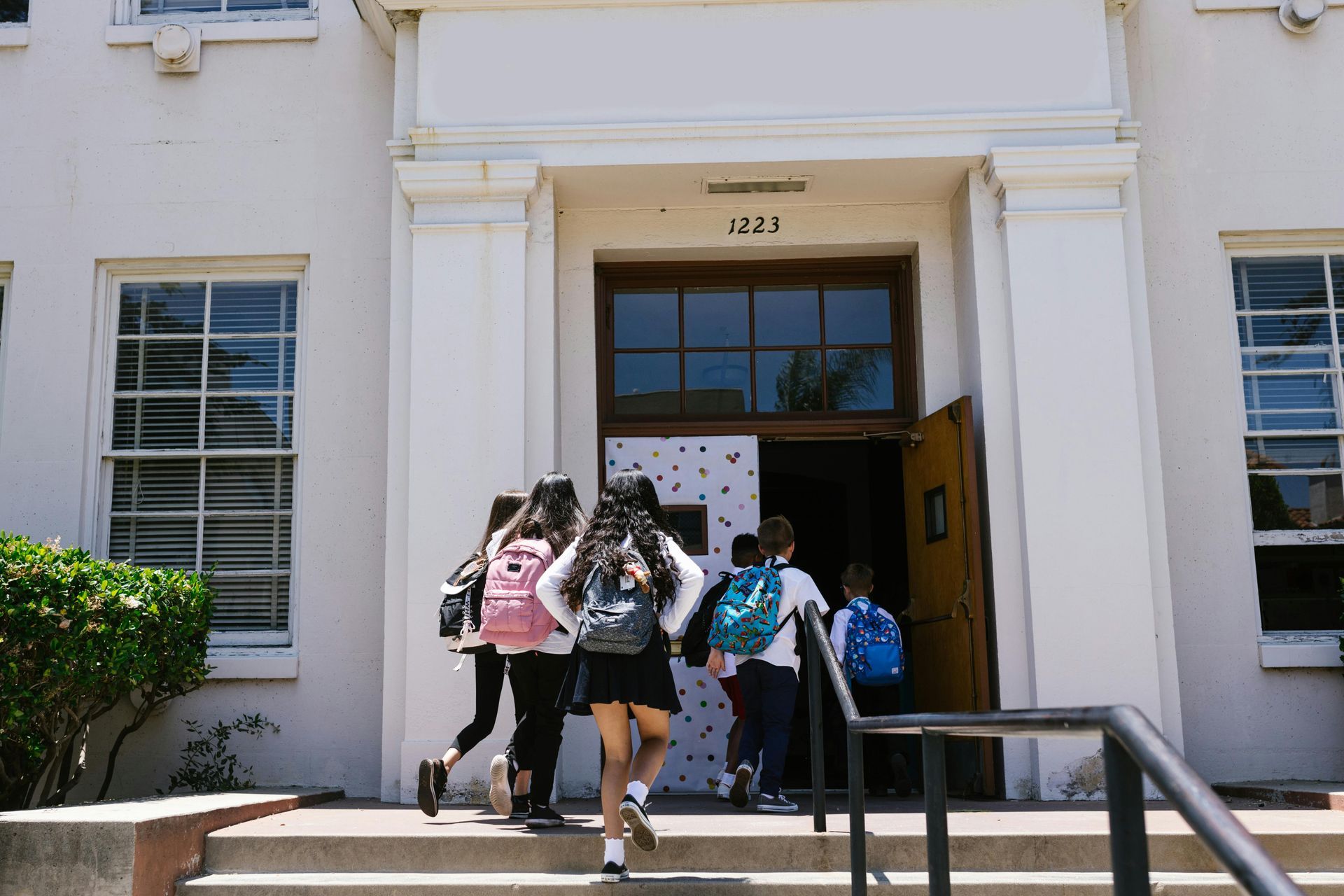
International schools in Ho Chi Minh City (Saigon) are world-class.
Modern campuses. Global curricula. Highly qualified teachers.
So why are so many students—especially Vietnamese, Korean, and Japanese ESL learners—quietly falling behind in English?
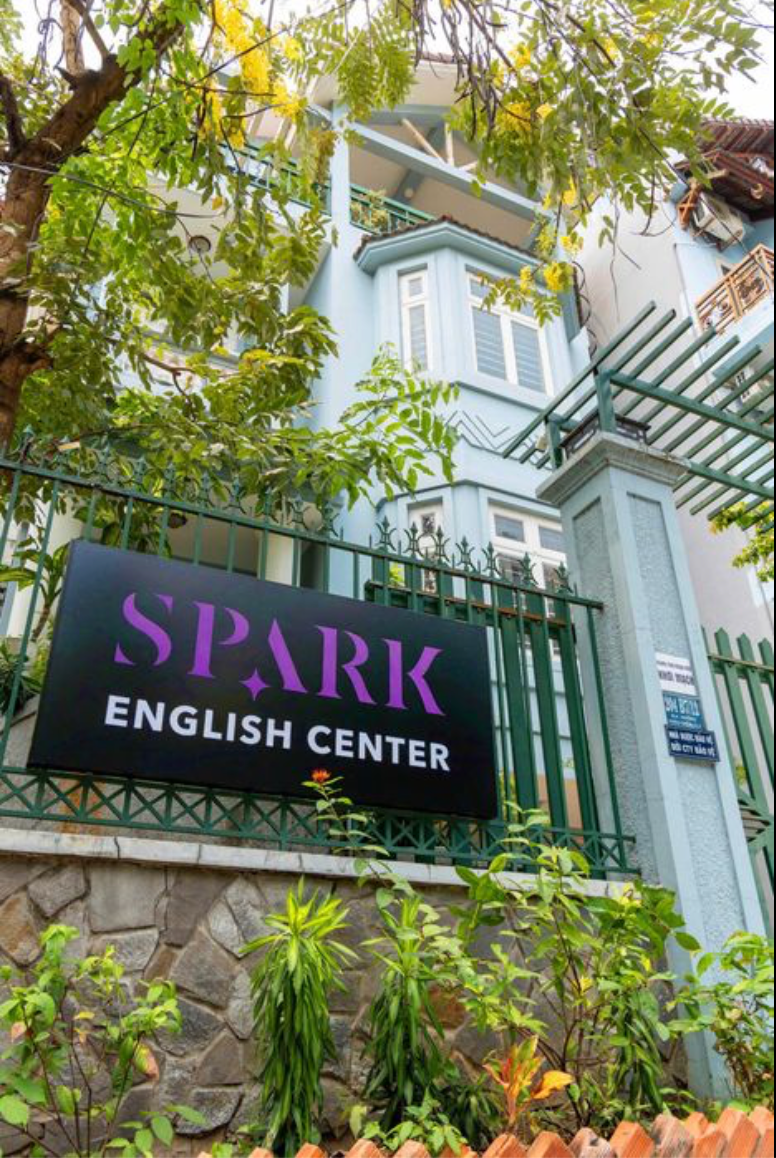
At Spark English Center Vietnam, we see the same pattern again and again:
Children are enrolled in international schools… but their English foundations aren’t fully developed.
This gap isn’t always obvious. And most parents don’t discover it until their child starts struggling.
What Is the “Hidden English Gap”?
The hidden English gap is the difference between:
- What international schools expect students to be able to do in English
- What many ESL students can realistically do without extra support
Because this gap isn’t always reflected in grades early on, it often goes unnoticed.
Why International Schools Don’t Talk About This Openly
International schools in Vietnam generally assume:
- Students will develop English naturally through immersion
- Families will arrange additional English support if needed
- Children will “catch up” over time
This isn’t negligence—it’s how the system is designed.
But it creates a silent problem.
What Schools Expect vs. What Many Students Experience
📚 Reading Expectations
Schools expect students to:
- Read textbooks independently
- Decode unfamiliar words
- Read fluently and accurately
Many ESL students:
- Guess words from context or pictures
- Read slowly
- Avoid reading aloud
✍️ Writing Expectations
Schools expect students to:
- Write explanations and paragraphs
- Use academic vocabulary
- Structure ideas logically
Many ESL students:
- Write very short responses
- Copy examples
- Struggle to express ideas clearly
🗣 Speaking Expectations
Schools expect students to:
- Participate in discussions
- Ask questions
- Explain thinking
Many ESL students:
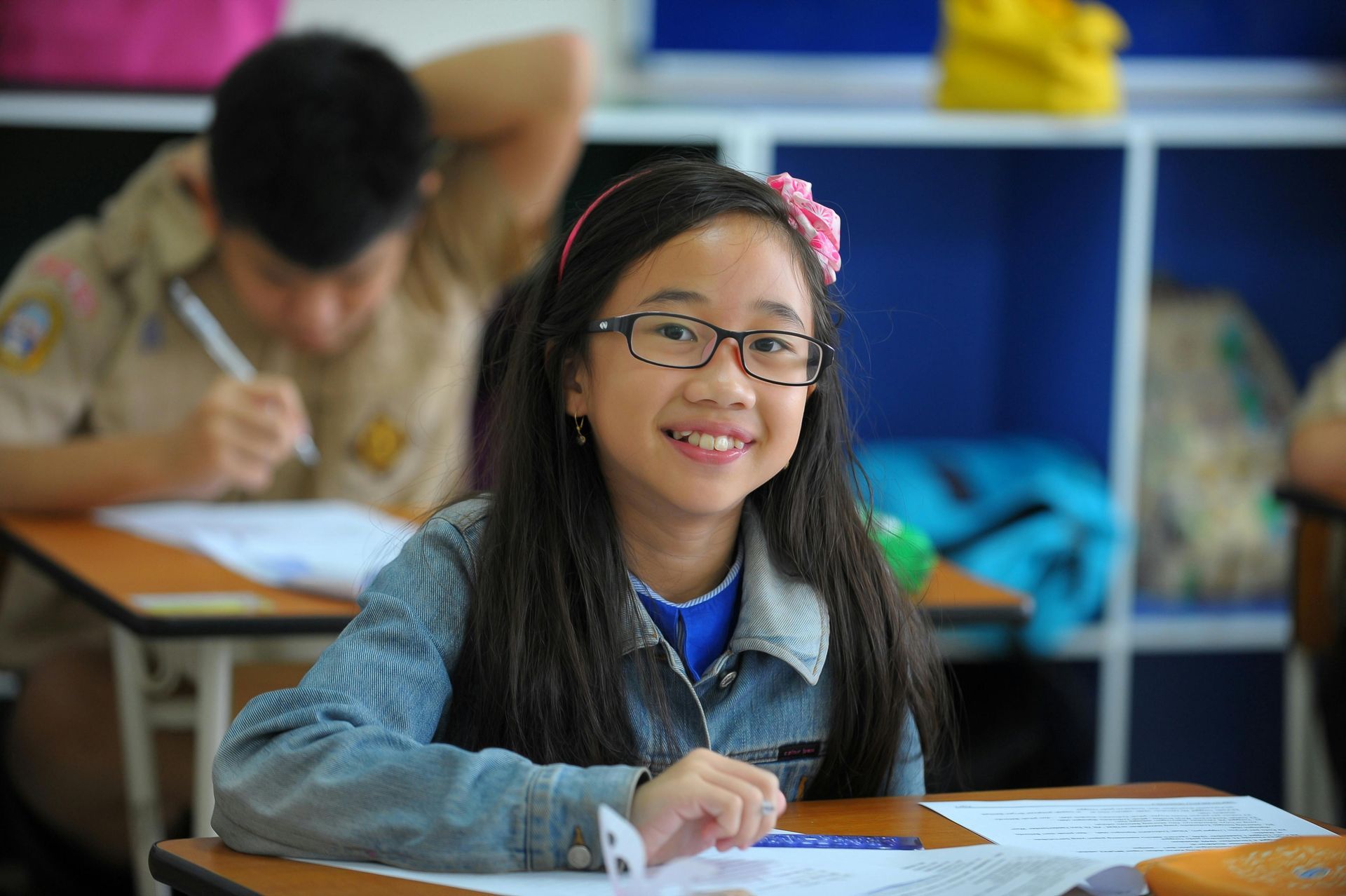
- Stay silent
- Fear making mistakes
- Understand but can’t respond confidently
This difference is the English gap.
Why the Gap Grows Over Time
In early years, teachers may compensate:
- Repeating instructions
- Offering visual cues
- Simplifying language
But as grades increase:
- Language becomes more complex
- Support decreases
- Expectations rise
The result?
Children who once seemed “fine” suddenly feel:
- Overwhelmed
- Frustrated
- Behind
Why ESL Students Are Most Affected
This gap disproportionately affects:
- Vietnamese students
- Korean and Japanese students
- Children from non-English-speaking homes
Why?
Because exposure alone doesn’t build:
- Phonics knowledge
- Reading independence
- Academic language skills
Those must be taught explicitly.
The Assumption Some Schools Make (But Rarely Say)
Most international schools quietly assume: “Students who need extra English will get it outside of school.”
This is why:
- ESL support within schools is limited
- Classes move at native-speaker pace
- Outside centers exist at all
This is where Spark English Center Vietnam comes in.
How Spark Fills the English Gap
Spark doesn’t replace international schools. We support students so they can succeed in them.
1. We Build the Missing Reading Foundation
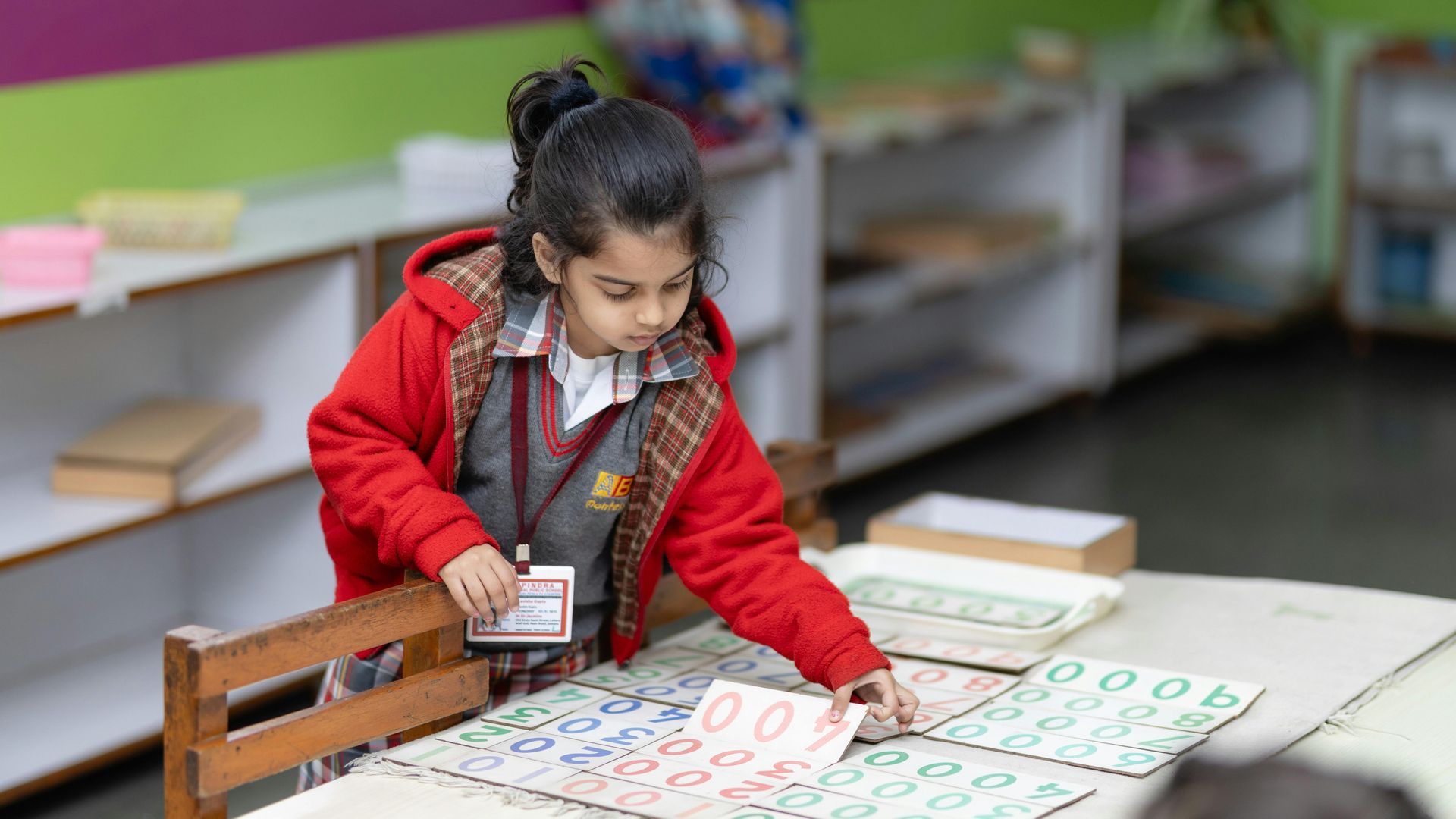
Through systematic phonics, students learn to:
- Decode words accurately
- Read independently
- Increase fluency and comprehension
This directly impacts performance across all subjects.
2. We Teach Academic English Explicitly
Spark students practice:
- Understanding teacher instructions
- Using classroom language
- Writing clear explanations
- Structuring longer responses
This bridges the gap between survival English and academic English.
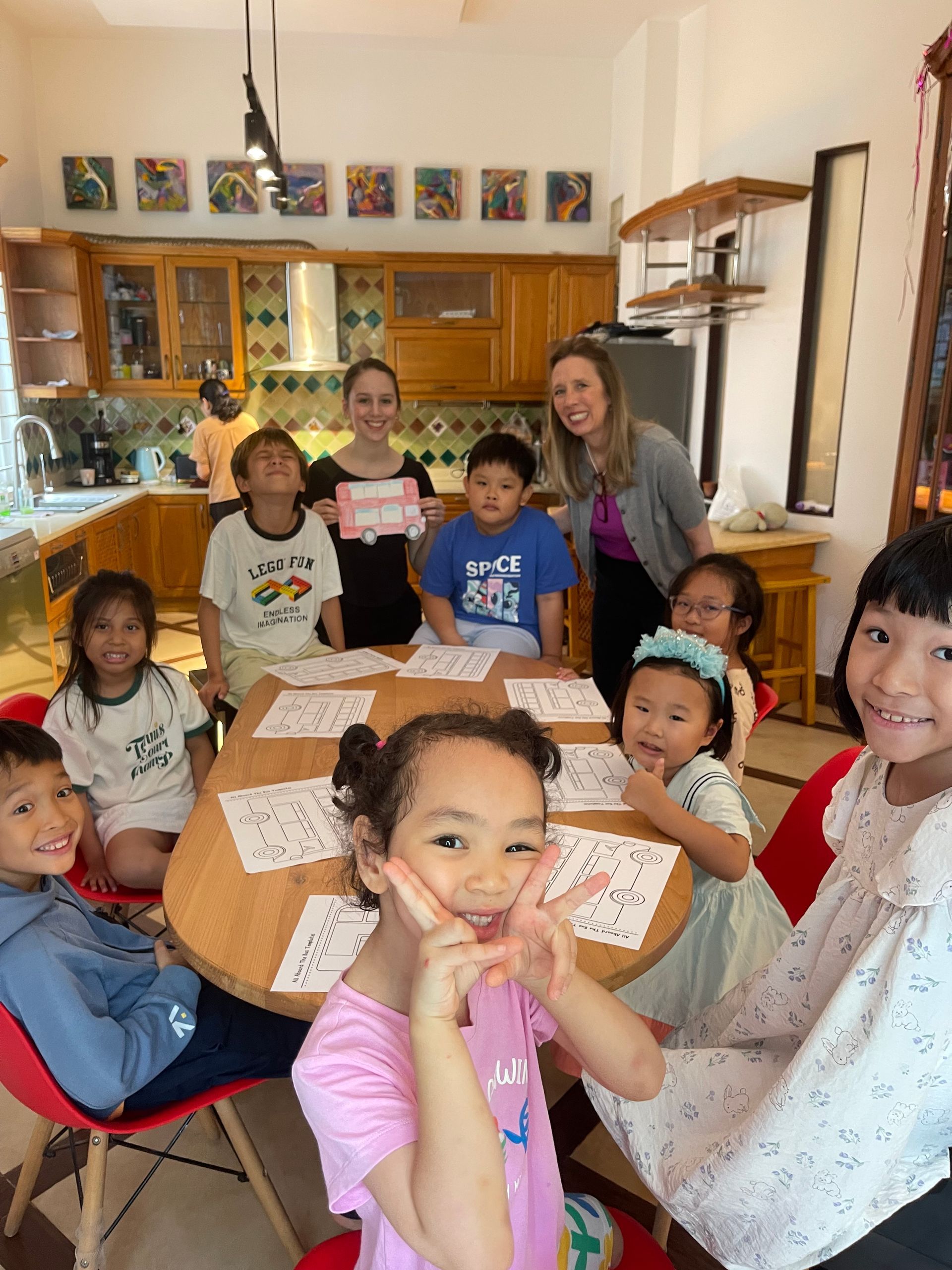
3. We Work in Small Groups
With 4–6 students per class, we ensure:
- Immediate feedback
- Individual correction
- Real confidence building
No child stays invisible.
4. We Create a Safe Space to Practice
Spark classrooms allow students to:
- Make mistakes without pressure
- Ask questions freely
- Build confidence before returning to school
Confidence gained at Spark transfers directly into school performance.
What Happens When the Gap Is Addressed Early
Parents report:
- Faster reading progress
- More confident speaking
- Improved writing
- Reduced school stress
- Happier, more engaged children
Most importantly:
Children stop surviving in English—and start
using it.
How to Check If Your Child Has an English Gap
The only reliable way is a proper diagnostic assessment.
At Spark, we evaluate:
- Reading accuracy and fluency
- Phonics foundations
- Writing structure
- Speaking confidence
You’ll receive:
- Clear explanations
- Honest feedback
- Practical next steps
Book a Free English Assessment
If your child is in an international school in HCMC (Saigon) and something feels off, trust that instinct.
👉
Book a free assessment here:
https://www.sparkvn.com/Assessment
To learn more about How to Tell If Your Child Needs Extra English Support, click here
To learn more about The Benefits of Learning One New Word a Day, click here