Technology, Learning, and the Future: What International School Parents in Vietnam Should Watch Closely
“Should my child be using more learning apps?”
“Is AI going to replace tutors?”
“Am I holding my child back if I limit screen time?”
These are questions many parents in Ho Chi Minh City (Saigon) are quietly asking—especially those with children in international schools. Technology is everywhere in education now, and it’s moving fast. It can feel risky to slow down when the world seems to be accelerating.
But faster tools don’t always mean deeper learning.
This article isn’t about rejecting technology. It’s about understanding where it helps—and where it can quietly weaken the very skills international schools depend on.
How Learning Has Changed (and Why Parents Feel Uneasy)
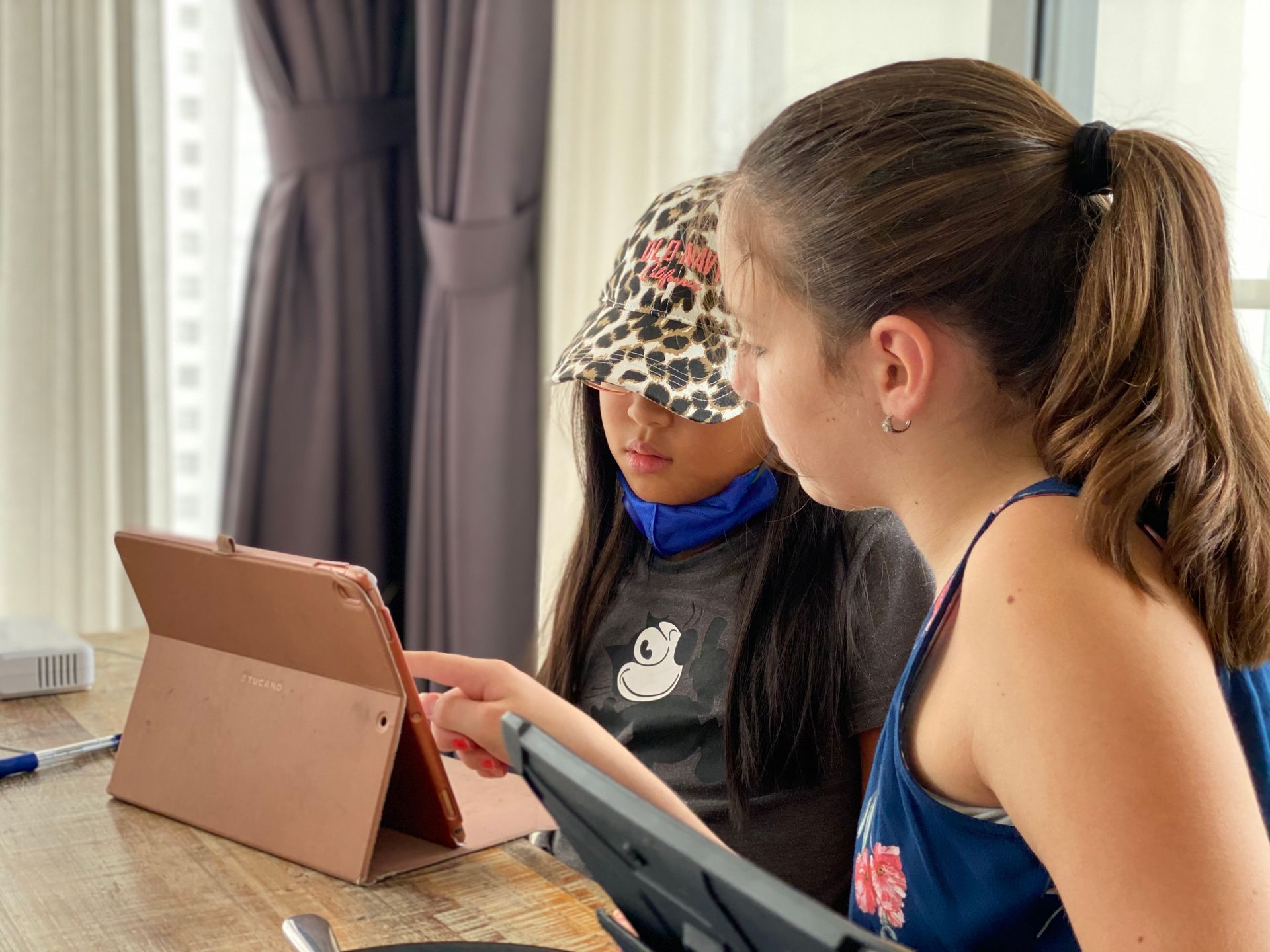
Today’s children have access to:
- Online learning platforms
- AI-powered feedback
- Instant explanations, translations, and answers
Compared to how most parents learned, this feels revolutionary.
But many families notice something unsettling:
- Children can “complete” work quickly
- Scores look fine
- Yet reading, writing, or speaking confidence feels fragile
That gap is real—and it matters in English-medium education.
Personalised Learning: Helpful, but Not the Whole Story
Technology is good at one thing: personalisation.
Adaptive tools can:
- Adjust difficulty
- Target weak areas
- Allow children to work at their own pace
For ESL learners in international schools, this can reduce frustration and boost short-term confidence.
But personalisation without foundations has limits.
A child can move through levels without truly understanding why something works. This shows up later as:
- Guessing instead of decoding
- Reliance on hints
- Difficulty explaining answers
The Quiet Risk of Over-Automation
When learning becomes too automated, children may:
- Stop sounding out unfamiliar words
- Depend on autocorrect or voice tools
- Avoid struggling through difficult texts
These tools remove friction—but productive struggle is where literacy skills actually develop.
International schools assume students can:
- Read independently
- Write without scaffolds
- Express ideas clearly
Technology doesn’t automatically build these skills. Sometimes, it masks their absence.
Why Human Interaction Still Matters in Learning
Language is not just information—it’s interaction.
Children develop strong English through:
- Immediate, meaningful feedback
- Encouragement when they hesitate
- Conversations that stretch their thinking
No platform can replace:
- A teacher noticing confusion
- A small group discussion
- A child feeling safe enough to try and fail
This human element is especially important for ESL students navigating international school English in Vietnam.
So What Does the Future Classroom Actually Look Like?
Despite the hype, the most effective learning environments are not screen-only.
The future is blended learning:
- Technology supports practice
- Teachers guide understanding
- Foundations are built deliberately
- Tools are used intentionally—not constantly
Screens are helpers, not drivers.
Preparing Children for the Future Means Teaching Thinking
The real question isn’t “Which tools should my child use?”
It’s “What skills will still matter no matter which tools exist?”
Those skills include:
- Decoding and reading fluency
- Clear written expression
- Verbal reasoning
- Confidence explaining ideas
These are the skills international schools continue to assess—often implicitly.
Where Spark Fits in a Tech-Driven World
At Spark English Center Vietnam, we don’t compete with technology—we balance it.
Our role is to:
- Diagnose what tools can’t see
- Build phonics and structured literacy foundations
- Develop independent readers and writers
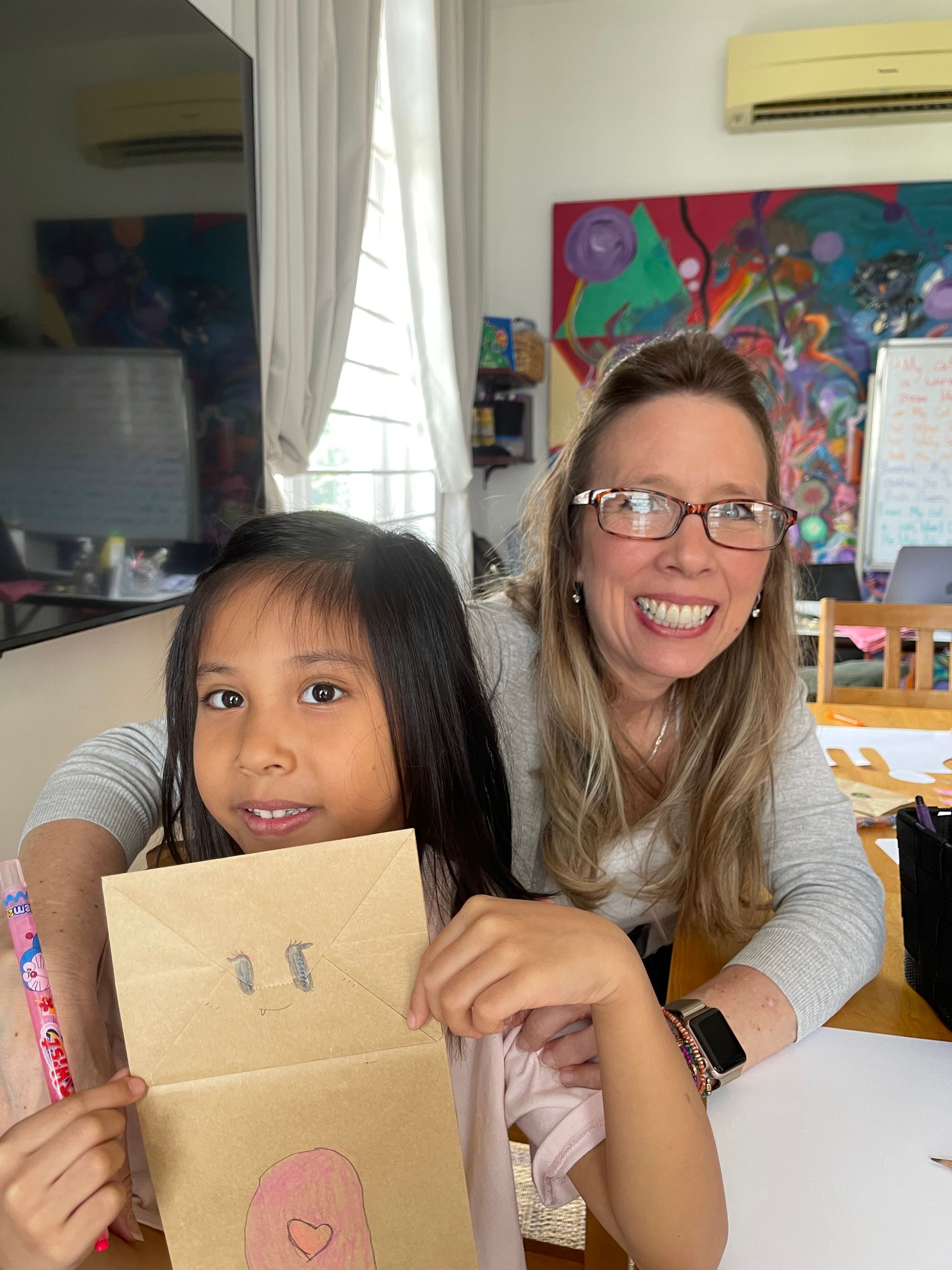
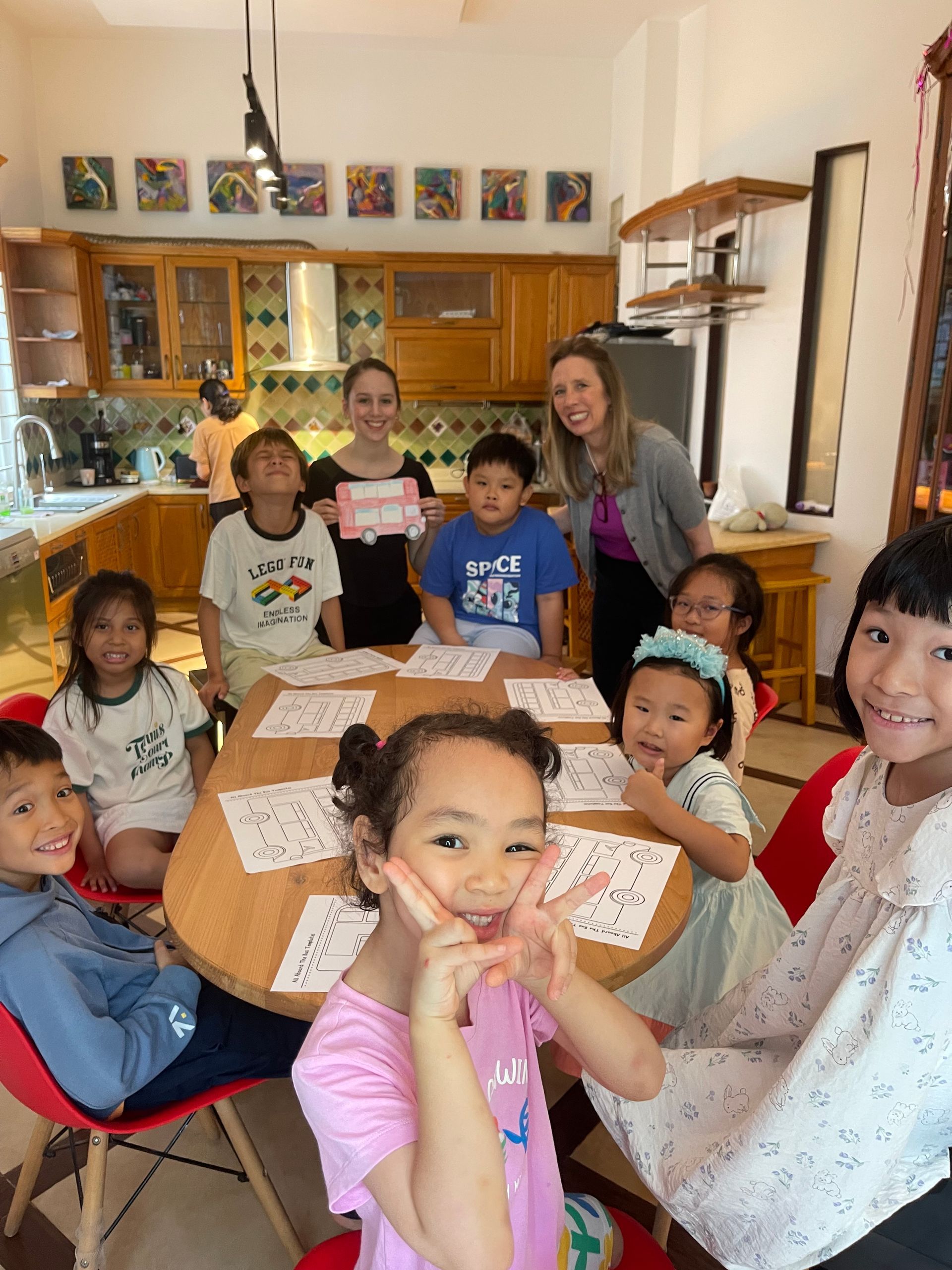
- Provide human feedback in small groups
- Align learning with international school expectations
We support families across HCMC (Saigon) by ensuring children don’t just use English tools—but actually own the language.
A Quick Reality Check (Q&A Style)
“My child learns faster with apps. Isn’t that better?”
Faster completion doesn’t always mean deeper understanding. Both matter.
“Will AI replace English teachers?”
Tools may assist—but guidance, interaction, and feedback remain essential.
“Is technology bad for young learners?”
No. Unbalanced use is the issue, not technology itself.
Frequently Asked Questions
Should ESL students use English learning apps daily?
They can be helpful—but should not replace reading, speaking, and guided feedback.
Can technology replace phonics instruction?
No. Phonics builds decoding skills that tools often bypass.
My child relies on spellcheck. Is that a problem?
Over time, yes. It can weaken spelling and writing independence.
How do international schools view tech-based learning?
They expect students to use tools—but still assess core literacy skills.
What’s the right balance between screen and non-screen learning?
Enough technology to support practice, enough human teaching to build understanding.
Does Spark use technology in lessons?
Yes—selectively and purposefully, alongside structured, teacher-led instruction.
Want to Know What Your Child Really Needs?
If you’re unsure whether technology is supporting or replacing your child’s English foundations, a clear assessment can help.
At Spark English Center Vietnam, our free assessment checks:
- Reading and phonics foundations
- Writing and language independence
- Readiness for international school expectations
You’ll receive:
- Honest, practical insights
- Clear next steps
- No pressure or obligation
👉
Book your free assessment here:
https://www.sparkvn.com/Assessment
Spark English Center Vietnam serves international school families across Ho Chi Minh City (Saigon)—helping children grow into confident, capable English users in a rapidly changing learning world.