IELTS, Phonics, or ESL: What’s Best for Your Child?
IELTS, Phonics, ESL, Academic English… or Nothing? What’s Actually Best for Your Child in HCMC (Saigon)?
“I don’t know what my child needs anymore.”
This is something many parents in Ho Chi Minh City (Saigon) quietly feel—especially when their child is already learning English, but progress feels unclear.
There are so many options:
- phonics programs
- ESL classes
- academic English support
- IELTS preparation
- or… doing nothing for now
The challenge isn’t access.
It’s choosing the right stage for your child.
Start With One Simple Question
Before choosing a program, ask:
👉 “Where is my child actually in their English development?”
Not their age.
Not their school.
Their real skill level.
Because each option—phonics, ESL, academic English, IELTS—serves a completely different purpose.
Phonics: The Foundation Most Children Skip
Best for:
- younger learners (2–9)
- children who guess words when reading
- weak spelling or slow reading
Phonics teaches children how English works:
- How sounds connect to letters
- How to decode unfamiliar words
- How to read independently
Without this, many children:
- memorize instead of read
- struggle later with comprehension
In HCMC, this is one of the most overlooked steps—even in international schools.
ESL (English as a Second Language): Building Core Skills
Best for:
- children who understand some English but lack consistency
- students who struggle to express ideas clearly
- those transitioning into English-medium education
ESL support focuses on:
- vocabulary development
- sentence structure
- listening and speaking confidence
This stage helps children move from “basic understanding” to functional use of English.
Academic English: The Hidden Requirement
Best for:
- students already in international schools
- children who speak well but struggle in class
- learners facing reading-heavy subjects
Academic English is where many fluent children fall behind.
It includes:
- reading comprehension
- structured writing
- subject-specific vocabulary
- understanding instructions and questions
This is often the difference between:
- “My child speaks English”
- “My child succeeds in school.”
IELTS Preparation: The Final Stage (Not the First)
Best for:
- older students (usually 12+)
- learners with strong reading and writing foundations
- students preparing for exams or future study goals
IELTS is not a learning program—it’s a measurement.
Starting too early often leads to:
- memorization strategies
- test tricks without real understanding
- frustration and slow progress
Without strong foundations, IELTS becomes difficult and ineffective.
When Is “Nothing” Actually Okay?
Sometimes, doing nothing is the right choice.
If your child:
- reads fluently
- understands academic content easily
- writes clearly for their age
- keeps up confidently in school
Then extra classes may not be necessary right now.
But this is less common than many parents think.
Where Most Parents in Saigon Get Stuck
The biggest mistake isn’t choosing the wrong program.
It’s choosing the right program at the wrong time.
For example:
- Starting IELTS before literacy is strong
- Skipping phonics because a child “already speaks English”
- Focusing on speaking when reading is the real issue
This leads to slow progress—even with effort.
How Spark English Center Vietnam Approaches This
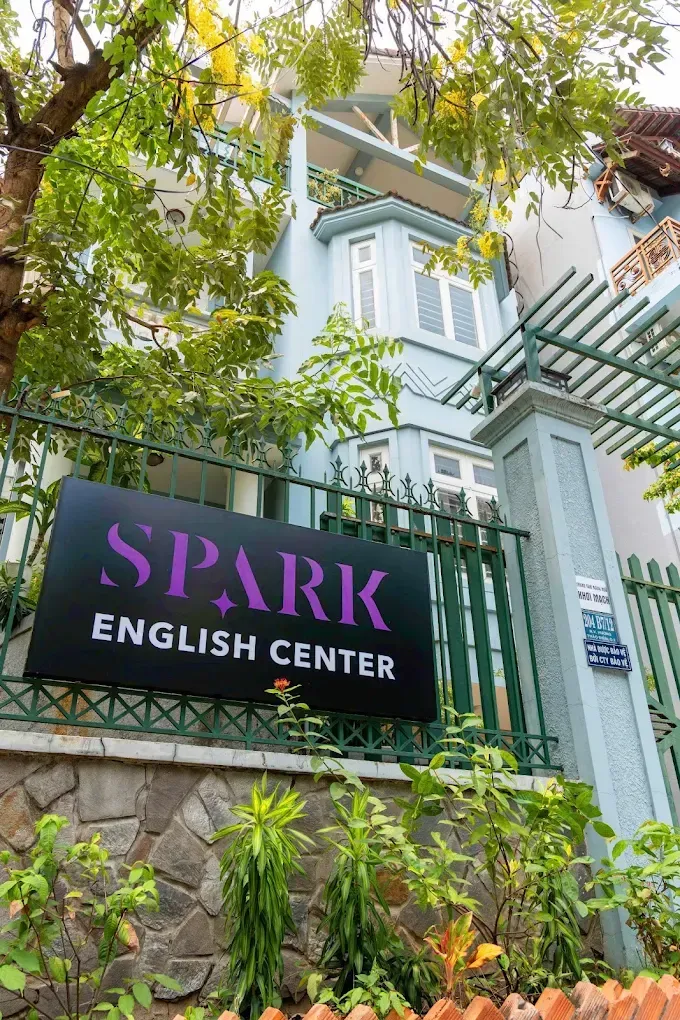
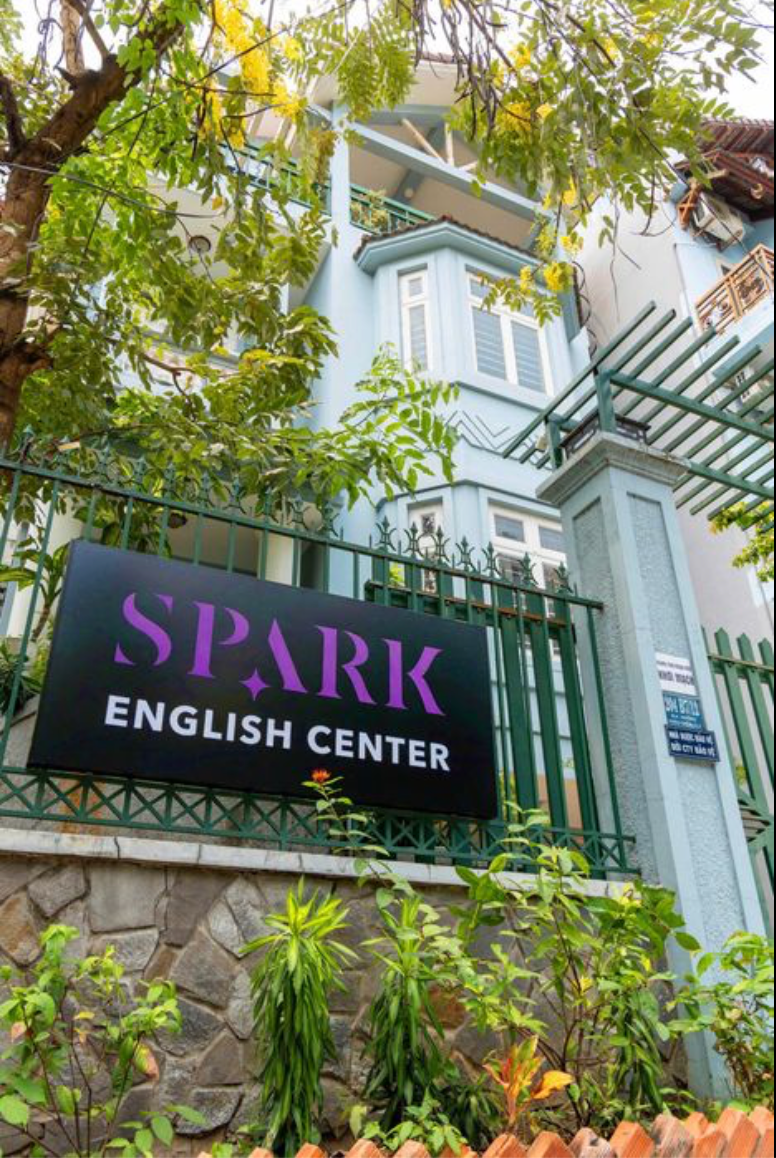
At Spark English Center Vietnam, the goal is not to sell a course—it’s to place each child on the correct pathway.
Spark provides:
- phonics for strong reading foundations
- ESL support for language development
- academic English for school success
- IELTS preparation at the right stage
All within:
- small classes (maximum 6 students)
- a structured, step-by-step system
- alignment with international school expectations
This is why families across HCMC (Saigon) use Spark as a long-term English pathway—not just a short-term solution.
A Simple Way to Decide
Instead of asking:
“What program should I choose?”
Try asking:
👉 “What skill is my child missing right now?”
- If they can’t decode → phonics
- If they struggle to express → ESL
- If they fall behind in class → academic English
- If they are strong and ready → IELTS
That clarity changes everything.
FAQs
Can my child skip phonics if they already speak English?
Not always. Many fluent speakers still lack decoding skills, which affects reading and spelling later.
What is the difference between ESL and academic English?
ESL builds general communication skills. Academic English focuses on reading, writing, and school-related language.
When should a child start IELTS preparation?
Only after they have strong reading, writing, and comprehension skills—usually around age 12 or older.
How do I know which stage my child is at?
An assessment is the most reliable way to identify gaps that aren’t obvious at home or school.
Is it bad to start IELTS early?
It can be ineffective if the child lacks foundational skills. It often leads to memorization rather than real progress.
My child is doing fine in school—should I still consider extra English?
If they are truly keeping up independently, it may not be necessary. But many gaps appear later without strong foundations.
Can one program cover everything?
Not effectively. Each stage requires a different focus, which is why structured pathways work better.
A Clear Next Step for Parents
If you’re unsure which path—phonics, ESL, academic English, or IELTS—is right for your child, the best place to start is with clarity.
At Spark English Center Vietnam, the free assessment checks:
- phonics and reading ability
- comprehension
- writing skills
- overall academic readiness
It helps you understand exactly what your child needs—without pressure.
👉 Book your free assessment here:
https://www.sparkvn.com/Assessment