Is Your Child’s Learning Trapped Inside a Box? | Spark English
Is Your Child’s Learning Trapped Inside a Box?
At Spark English, we ask an important question: Why do so many students learn English the
same way year after year… even when it isn’t working?
Why do schools and centers keep repeating:
• memorization without communication?
• worksheets without confidence?
• reading without comprehension?
• grammar without real-world use?
Sometimes education gets trapped inside a “learning box.”
A system where:
• students copy
• teachers lecture
• mistakes feel dangerous
• creativity disappears
• and English becomes something to survive instead of enjoy
But today’s learners need something different. The world has changed. And education must
change with it.
The Problem With “Standard” Learning
Many students are still taught as if success only comes from:
• repeating information
• memorizing vocabulary lists
• completing exercises mechanically
• following one “correct” pathway
But language learning is not linear. Every student learns differently.
Some students:
• learn through movement
• through reading
• through speaking
• through writing
• through games and interaction
• through sound and rhythm
Yet many classrooms still try to fit every learner into the same educational box. And when
students struggle?
They often believe: “I’m bad at English.”
When really…they may simply need a different approach.
What “Out-of-the-Box” Learning Looks Like
At Spark, we believe strong education happens when we stop asking: “How have we always
taught this?”
And start asking: “What helps students learn best NOW?”
That mindset changes everything.
DISRUPT THE LEARNING CYCLE
Don’t only teach for the test. Teach for the moment students usually become frustrated.
In phonics, that means:
• helping students decode words before reading becomes stressful
• building confidence early
• celebrating small reading wins
In writing, that means:
• breaking large assignments into manageable steps
• reducing fear around mistakes
• helping students organize ideas clearly
In ESL learning, that means:
• prioritizing communication before perfection
• encouraging speaking practice
• creating safe opportunities for participation
Students learn faster when frustration is reduced early.
CREATIVE LEARNING WITH EXISTING TOOLS
Sometimes the best educational innovation is not expensive technology.
It is using familiar tools differently.
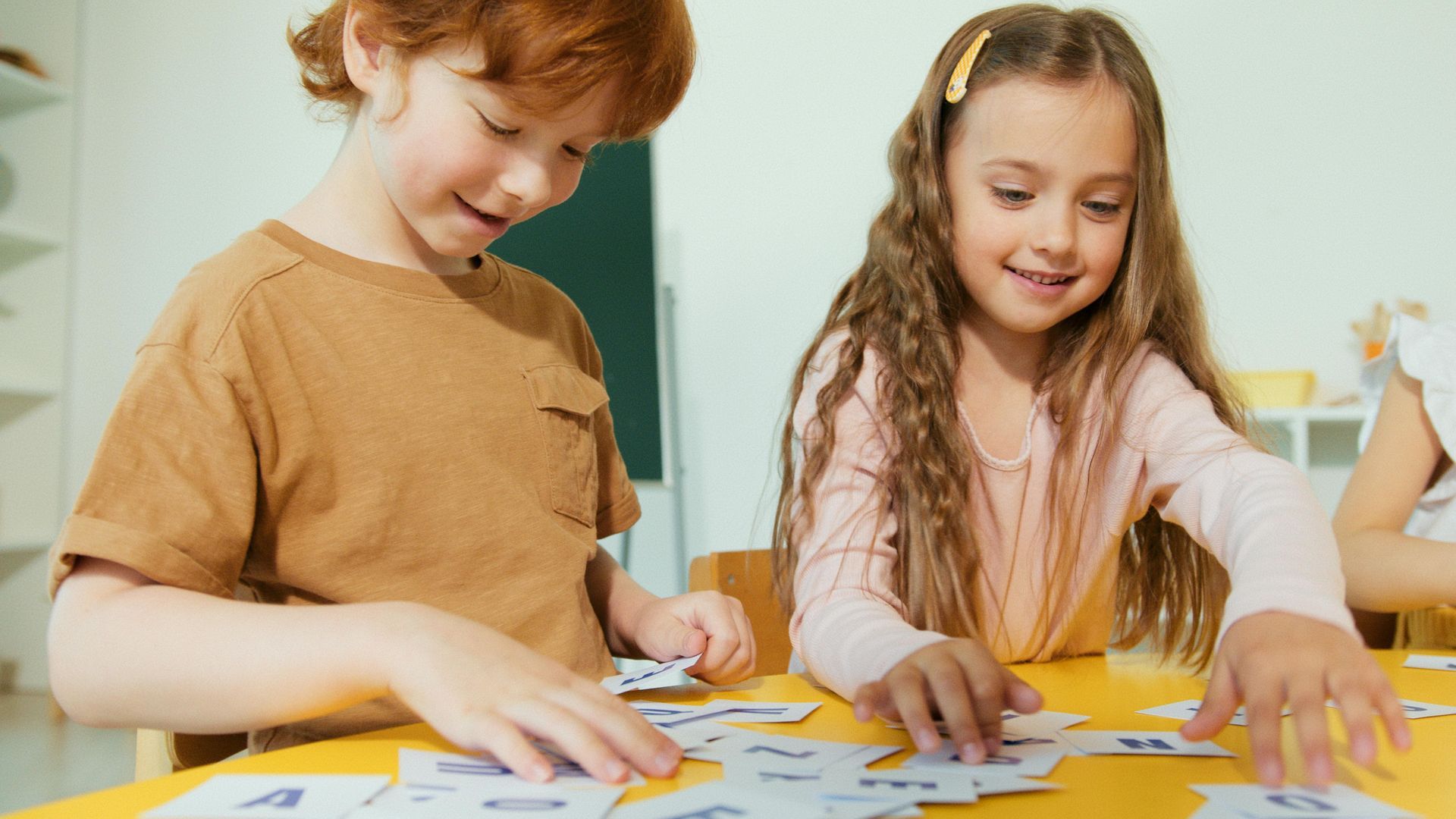
A simple storybook can become:
• phonics practice
• vocabulary expansion
• speaking discussion
• writing inspiration
• pronunciation training
One classroom activity can develop multiple language skills simultaneously. The goal is not “more
worksheets.” The goal is smarter learning experiences.
FIRST PRINCIPLES LEARNING
At Spark, we constantly ask: “Why are we teaching this this way?”
Because many educational habits exist simply because: “That’s how it has always been done.”
But effective learning requires flexibility.
Strong education:
• adapts to students
• encourages curiosity
• develops confidence
• connects learning to real life
• allows students to think independently
That’s how deeper learning happens.
The Parent Challenge: Deconstruct the Learning Box
Here’s a challenge for parents:
1. IDENTIFY THE “LEARNING BOX”
What learning habit feels repetitive or ineffective for your child?
Maybe:
• memorizing without understanding
• avoiding writing
• fear of speaking English
• struggling with reading confidence
2. USE EXISTING TOOLS DIFFERENTLY
Can books, conversations, games, storytelling, or daily routines become language practice?
Learning opportunities already exist everywhere.
3. LOOK FOR THE “HIDDEN FOLD.”
Sometimes students improve dramatically when one small thing changes:
• more encouragement
• shorter tasks
• interactive learning
• movement-based practice
• confidence-building activities
Small adjustments can unlock huge growth.
4. TEST A NEW APPROACH
Try something different immediately. Because students often surprise us when learning becomes
engaging, safe, and meaningful.
Why This Matters for the Future
The future will not reward students who only memorize information. It will reward students who
can:
• communicate clearly
• express ideas confidently
• understand complex information
• think creatively
• adapt to change
That’s why phonics, writing, and ESL learning matter so deeply. They are not just school subjects. They are lifelong communication tools.
The Spark Philosophy
At Spark English, we believe innovation in education is not about adding more pressure. It is
about reimagining learning in ways that help students thrive.
Sometimes the biggest breakthrough happens when we stop asking: “How has this always been
taught?”And start asking: “What helps this student succeed?”
Because education should not trap students inside a box. It should help them discover what is possible outside of it.