What English Centers Miss in HCMC (Parent Guide)
What Most English Centers Don’t Teach (But Should) in HCMC / Saigon
Many parents in Ho Chi Minh City (Saigon) feel this at some point.
Their child is:
- attending English classes
- completing homework
- learning new words
But over time, a question starts to form:
👉 “Why isn’t this translating into real progress at school?”
The Hidden Gap in English Learning
Most English centers are not doing something wrong.
But many are:
👉 not going deep enough
They focus on:
- activities
- vocabulary
- surface-level communication
But miss the skills that actually support long-term success.
What Gets Taught (and Why It’s Not Enough)
In many programs, students learn to:
- speak in simple sentences
- recognize familiar words
- complete exercises
This creates the feeling of progress.
But when students enter or continue in international school English Vietnam environments:
👉 expectations change
What International Schools Actually Expect
Students need to:
- read independently and accurately
- write clearly and in structure
- explain ideas with detail
- understand complex instructions
👉 This is academic English
👉 And it’s rarely built by accident
What Most English Centers Don’t Teach (But Should)
1. How to Actually Read (Not Guess)
Many children appear to read well.
But in reality:
👉 they guess
Without phonics and decoding:
- words are memorized
- unfamiliar vocabulary becomes a barrier
2. How to Build Writing from the Ground Up
Students are often asked to:
- write sentences
- complete short tasks
But not taught:
👉 how to structure ideas
So later:
- writing becomes confusing
- ideas are unclear
3. How to Think in English (Not Translate)
Many learners:
- translate from their first language
- struggle to respond naturally
This slows down:
- speaking
- writing
- comprehension
4. How to Learn Systematically
Lessons may feel engaging.
But without structure:
- progress is inconsistent
- gaps remain hidden
👉 Students move forward
👉 without strong foundations
Why This Matters More Than Parents Expect
At younger ages, these gaps are easy to miss.
But as students grow:
- reading becomes essential
- writing becomes academic
- speaking becomes analytical
The Turning Point
Parents often notice it when:
- Homework takes too long
- Reading becomes frustrating
- Confidence drops
👉 Not because the child isn’t capable
👉 But because something important was skipped
A Different Way to Think About English Learning
Instead of asking:
“Is my child learning English?”
Ask:
👉 “Are they building the right foundation?”
What Actually Works Long-Term
Students need:
- structured literacy (phonics + decoding)
- guided writing development
- clear progression across levels
- consistent feedback
👉 This builds independence—not just short-term results
Where Spark Fits In
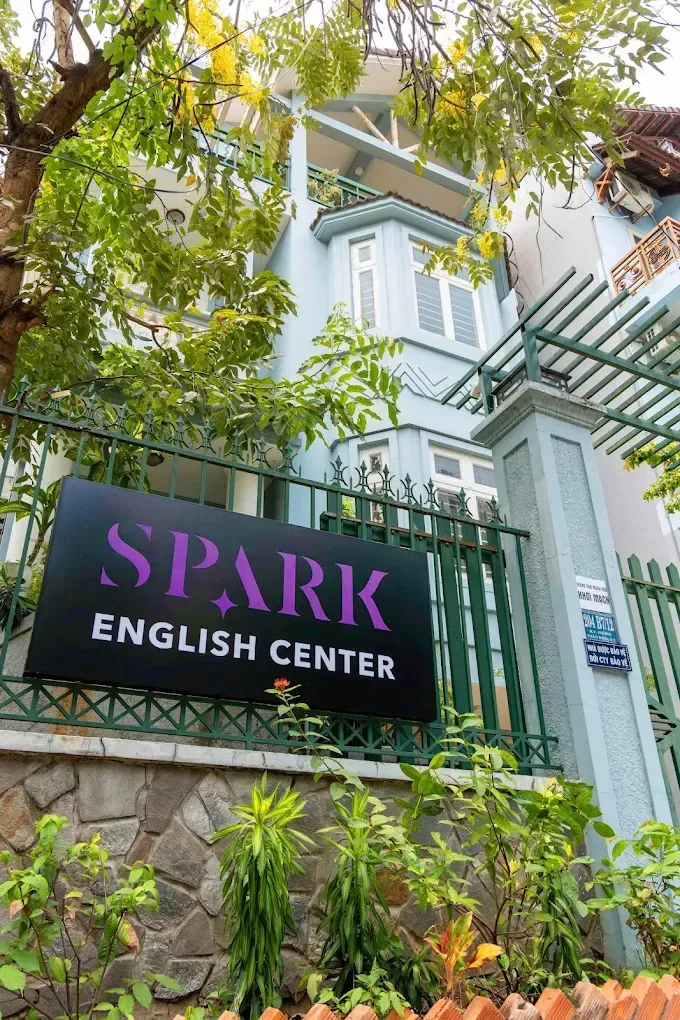
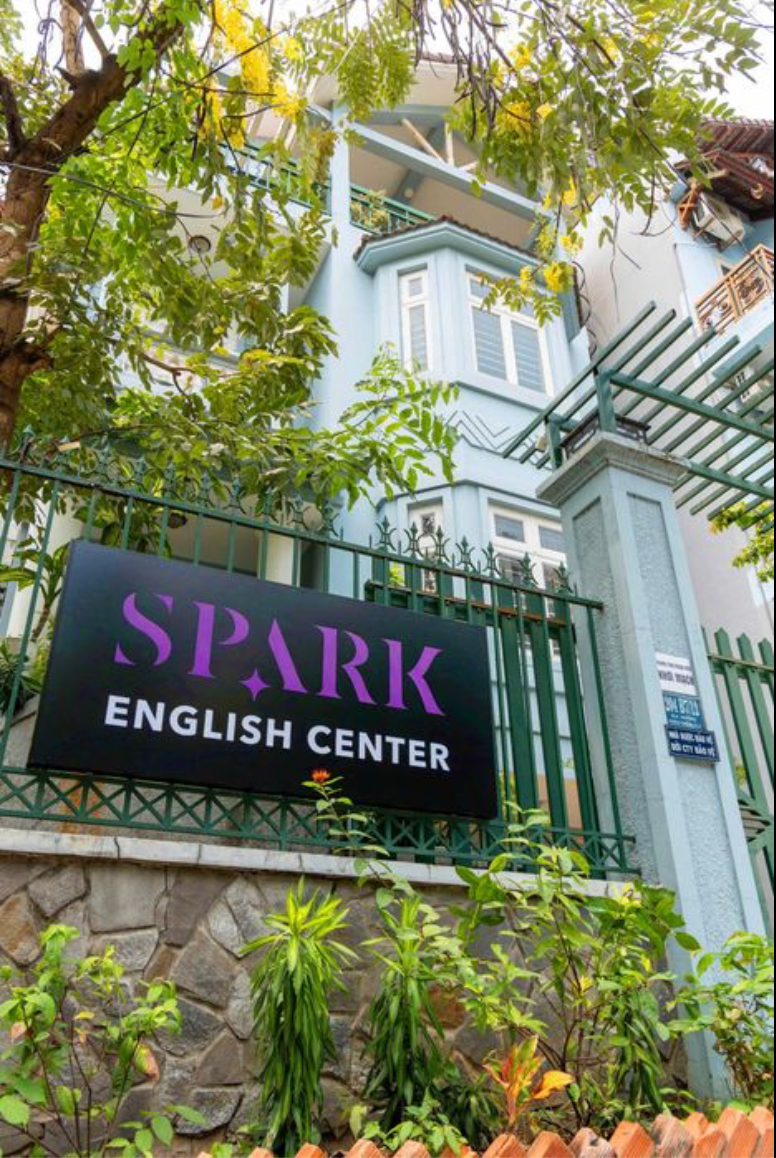
At Spark English Center Vietnam, the focus is not just on teaching English.
It’s on building the skills students need to succeed in real academic environments.
How Spark Approaches This Differently
Spark acts as a bridge between:
- ESL learning
- international school expectations
Through:
- phonics and structured literacy
- academic English development
- small classes (maximum 6 students)
- personalized learning pathways
Spark provides a premium English learning experience for families across HCMC (Saigon).
A Quick Parent Reflection
Ask yourself:
- Can my child read unfamiliar words confidently?
- Can they explain what they read clearly?
- Can they write structured ideas—not just sentences?
If not:
👉 the issue may not be effort
👉 but missing foundations
FAQs
Why does my child attend English classes but still struggle in school?
Because many classes focus on surface-level skills rather than the deeper foundations needed for academic English.
What is the difference between general English and academic English?
General English focuses on communication. Academic English requires structured thinking, reading, and writing skills.
Is phonics really necessary for older children?
Yes. If a child lacks decoding skills, phonics can still help rebuild reading accuracy and confidence.
How can I tell if my child has gaps in their English learning?
Look for signs like slow reading, unclear writing, or difficulty explaining ideas.
Why do some children improve faster than others?
Often because they have stronger foundational skills, not just more exposure.
Should I change English centers if I notice slow progress?
It’s worth reviewing whether your child’s current program builds long-term skills, not just short-term results.
What should a good English program include?
It should combine reading, writing, speaking, and structured development—not treat them separately.
Final Thought
👉 Not all English learning leads to real progress
👉 Foundations determine outcomes
If you’re unsure whether your child is building the right English foundation, the best step is to check clearly.
At Spark English Center Vietnam, the free assessment looks at:
- reading ability
- writing structure
- speaking clarity
- overall readiness for international school
This helps you understand:
👉 what your child can do now
👉 and what they need next
👉 Book your free assessment here:
https://www.sparkvn.com/Assessment
Serving international school families in HCMC (Saigon), Spark English Center Vietnam provides structured, premium English support that prepares students for real academic success.