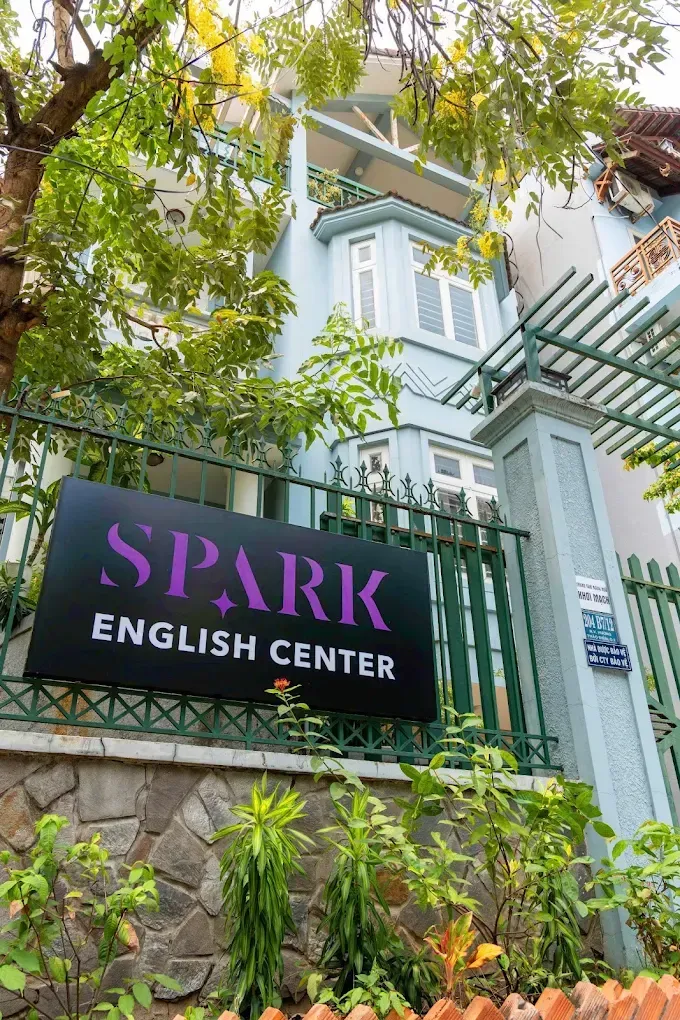
Reading Fluency Guide: Struggling to Confident | Spark English Center Vietnam
Why Reading Fluency Matters More Than You Think
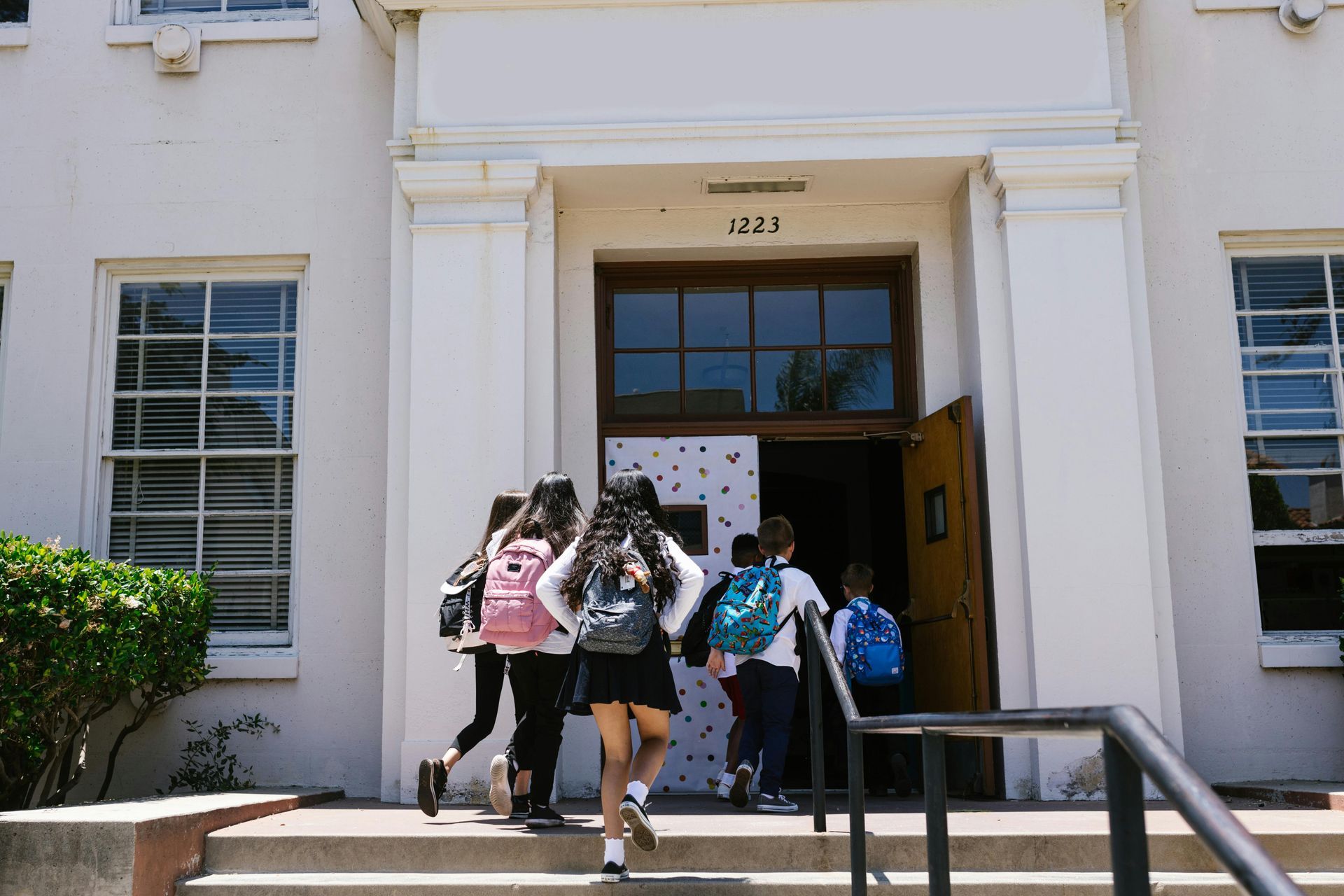
Every evening across HCMC, the same scene:
The student sits with a book. Slowly sounds out words. Pauses. Backtracks. Re-reads sentences.
A 10-minute passage takes 30 minutes.
Comprehension questions? A child can't explain what they just read.
Parents wonder: "Years of English. Why is reading still this hard?"
The answer: Reading fluency.
Reading fluency is the ability to read text accurately, at appropriate speed, with proper expression.
It's the bridge between decoding words and understanding meaning.
Without fluency, reading is word-by-word struggle that drains mental energy, leaving none for comprehension.
Critical insight: Fluency isn't vague. It's precisely measurable, follows predictable stages, responds rapidly to intervention.
At Spark English Center Vietnam in Thao Dien, we've helped hundreds of struggling readers become confident, fluent readers.
Reading speed improvements of 30-50 WPM within 8-12 weeks are standard.
More importantly: gains transfer to better comprehension, faster homework, transformed confidence.
This blueprint reveals everything about reading fluency: what it is, how to measure it, why children struggle, how to fix it fast.
Understanding Fluency: Three Essential Components
Component 1: Accuracy (Correctness)
Reading words correctly without guessing or errors.
Benchmarks:
- 95-100% accuracy = fluent reading possible
- 90-94% accuracy = instructional level (needs support)
- Below 90% = frustration level (text too hard)
Student reading 80/100 words correctly operates at 80% accuracy. Frustration level. Speed doesn't matter if accuracy is poor.
Component 2: Rate (Speed)
Words per minute (WPM) indicates automaticity.
Grade-level benchmarks:
- Grade 1: 60-80 WPM
- Grade 2: 80-100 WPM
- Grade 3: 100-120 WPM
- Grade 4: 120-140 WPM
- Grade 5: 140-160 WPM
- Grade 6: 160-180 WPM
- Grades 7-12: 180-200+ WPM
Students reading significantly below targets struggle with:
- Completing assignments in reasonable time
- Keeping pace with class
- Reading enough volume to build knowledge
- Maintaining attention
Component 3: Prosody (Expression)
Appropriate phrasing, intonation, expression reflecting understanding.
Fluent readers:
- Group words into phrases
- Emphasize important words
- Adjust tone for punctuation
- Read dialogue with expression
Prosody demonstrates and supports comprehension.
The Formula:
Automatic Recognition (Accuracy) + Appropriate Speed (Rate) + Expression (Prosody) = Fluency = Comprehension
Weak component = weak fluency = poor comprehension.
Measure Your Child's Fluency Right Now
Before seeking help, know current level precisely.
Materials:
- Grade-level passage (100-200 words)
- Timer
- Paper for errors
Procedure:
Step 1: "Read this out loud as well as you can. I'll time you."
Step 2: Start timer when reading begins.
Step 3: Mark errors:
- Words read incorrectly
- Words skipped
- Words supplied after 3+ seconds
Step 4: Stop after exactly 1 minute.
Step 5: Count words read, subtract errors.
Formula: WCPM = Total Words Read - Errors
Example:
- Reads 92 words with 7 errors
- WCPM = 92 - 7 = 85
Interpretation:
Grade 3 student at 85 WCPM:
- Target: 100-120
- Gap: 15-35 WPM below
- Needs fluency intervention
Grade 5 student at 85 WCPM:
- Target: 140-160
- Gap: 55-75 WPM below
- Needs immediate intensive intervention
Step 6: Assess prosody:
- Word-by-word or phrased?
- Appropriate expression?
- Natural or robotic?
Step 7: Check comprehension:
- Who was the main character?
- What happened?
- Why did the character do X?
If can't answer basic questions despite reading all words: fluency interferes with understanding.
Seek professional assessment if:
- 20+ WPM below grade level
- Below 95% accuracy
- Word-by-word, no expression
- Can't answer basic questions
- Avoids reading or shows frustration
Spark offers free, comprehensive reading assessments measuring fluency precisely and identifying intervention needs.
Seven Causes of Fluency Struggles
Cause 1: Phonics Gaps
Fluency requires automatic word recognition via:
- Sight recognition (common words recognized instantly)
- Phonics decoding (unfamiliar words decoded accurately)
Problem: Incomplete phonics knowledge prevents accurate, fast decoding. Students guess.
Common gaps limiting fluency:
- Vowel teams (ai, ee, oa, igh)
- R-controlled vowels (ar, or, er)
- Silent letters (know, write)
- Multisyllabic strategies
Grade 4 student without vowel team mastery struggles with "maintain," "agreement," "approach," and thousands more, drastically slowing reading.
Solution: Systematic phonics targeting gaps. Most show fluency improvement within 6-8 weeks.
Cause 2: Insufficient Practice Volume
Fluency develops through volume.
Research:
- Strong readers: 1.5-2M words/year
- Struggling readers: 100-200K words/year
- 10x difference = widening gap
Why struggling readers practice less:
- Reading is hard, so they avoid it
- Read slowly, cover less text
- Experience failure, reducing motivation
- Choose other activities
Vicious cycle: Poor fluency → Reading is hard → Avoid reading → Less practice → No improvement → Reading stays hard
Solution: Structured practice at appropriate levels with support. Spark students complete 15-20 min supported practice every lesson, ensuring high-volume, accurate practice.
Cause 3: Materials Too Difficult
Students practicing on frustration-level texts make minimal progress.
The 95% rule: Need 95%+ accuracy to build fluency. Below 90% = frustration, don't use for practice.
HCMC scenario: Grade 3 student reads 70 WPM. The school provides grade-level books, expecting 100-120 WPM. Student practices at frustration level daily. Minimal progress.
Solution: Match materials to current level (95-98% accuracy achievable), gradually increase difficulty. "Just-right" practice.
Cause 4: Limited Home English Exposure
Korean, Japanese, and Vietnamese families: English is limited to school hours.
Typical exposure:
- School: 6-7 hours (not all reading-focused)
- Home: Primarily L1
- Total English reading: Under 30 min daily
Contrast with native speakers:
- School: 6-7 hours
- Home: 2-4 additional hours
- Total: 8-10+ hours daily
Gap: ELL students need MORE practice but get LESS.
Solution: Strategic 15-20 min daily home routines at appropriate levels. Spark provides audio recordings so students hear fluent reading even when parents can't model.
Cause 5: No Fluency-Specific Instruction
Many programs teach phonics and comprehension but not fluency as a distinct skill.
Students need:
- Repeated readings (builds automaticity)
- Timed practice with tracking
- Fluent reading models
- Immediate error correction
- Gradual difficulty increase
Programs often provide:
- Silent reading without feedback
- One-time readings (no repetition)
- No timing/measurement
- Generic "read more" advice
Solution: Fluency-specific instruction using repeated reading, partner reading, performance reading. Simple techniques, dramatic results when systematic.
Cause 6: Undiagnosed Visual/Processing Issues
Occasionally, persistent difficulties stem from underlying challenges.
Warning signs:
- Intensive intervention with minimal improvement
- Reads better with enlarged/spaced text
- Headaches/eye strain
- Difficulty tracking lines
- Letter/word reversals past early primary
Solution: If no improvement after 12-16 weeks systematic intervention, consult specialist. Needed for under 10% of struggling readers. Most respond well to systematic phonics and fluency work.
Cause 7: Reading Anxiety
After repeated failure, some develop anxiety interfering with performance.
Symptoms:
- Physical stress signs when reading aloud
- Extreme avoidance
- Negative self-talk
- Shutdown/refusal
How anxiety affects fluency:
- Cognitive resources consumed by anxiety
- Rushed, careless reading to escape
- Avoidance reduces practice
Solution: Build confidence through success at appropriate levels. Small groups where all work on similar challenges reduce comparison anxiety. At Spark, students work with peers at similar levels: "we're learning together" not "everyone's better than me."
Evidence-Based Intervention at Spark
Research identifies specific techniques improving fluency reliably and quickly.
Technique 1: Repeated Reading
Method: Read same passage 3-4 times, improving speed/expression each time.
Why it works: Repeated exposure builds automatic recognition for those words. After 3-4 reads, most words recognized instantly.
Spark implementation:
Read 1 (Assessment): Student reads, teacher notes errors silently. Calculate WPM, accuracy.
Read 2 (Corrected): Review 2-3 key errors. Reread focusing on accuracy. Immediate feedback.
Read 3 (Fluency): Read for speed/expression. Time it. Show improvement from Read 1 (typically +10-20 WPM). Builds motivation.
Read 4 (Performance, optional): Read to group or record. Adds purpose.
Research: Repeated reading produces 20-40 WPM gains over 8-12 weeks (National Reading Panel, 2000).
Technique 2: Partner Reading
Method: Pairs take turns reading, providing support.
Spark implementation:
- Match pairs by similar levels
- Student A reads while B follows
- B provides word if A struggles 3+ seconds
- Switch roles
- Discuss together
Why it works:
- Immediate peer feedback
- Reduced anxiety (one peer, not class/adult)
- Increased practice time
- Social support/motivation
Technique 3: Performance Reading
Method: Prepare passage, perform for audience.
Purpose drives practice: Knowing they'll perform motivates practice until fluent.
Spark implementation:
- Weeks 1-2: Select passages
- Weeks 3-4: Practice using repeated reading
- Week 5: Performance day, peer feedback
Why it works:
- Intrinsic motivation
- Goal-oriented practice without tedium
- Confidence through successful performance
- Prosody/expression development
Technique 4: Fluency Modeling
Method: Teacher/audio demonstrates fluent reading, student imitates.
Why it works: Many struggling readers never heard fluent reading. Need models of phrasing, expression, speed.
Spark implementation:
- The teacher reads expressively while the students follow
- Choral reading together
- Students read independently, matching fluency
Technique 5: Progress Monitoring
Method: Regular measurement with visual tracking.
Spark implementation:
- Weekly: One-minute probe, calculate WPM/accuracy, graph it
- Students see week-by-week improvement (typically +3-5 WPM weekly)
- Goal-setting: "This week I want +3 WPM."
- Monthly: Formal reassessment, updated goals
Why it works:
- Makes abstract progress concrete
- Small, frequent wins motivate
- Students develop ownership
Spark Fluency Intensive: 8-12 Week Program
Week 1: Assessment
- Multiple passages at varied levels
- Phonics evaluation
- Comprehension check
- Oral language
Outcomes:
- Precise WPM/accuracy data
- Phonics gaps identified
- Instructional level determined
- 8-12 week goals set
Weeks 2-4: Foundation
Focus: Address phonics gaps while beginning fluency practice.
Lesson (45 min):
- Phonics instruction: 10 min
- Repeated reading: 20 min
- Partner reading: 10 min
- Home practice setup: 5 min
Home (15 min daily):
- Three reads of passage
- Parent tracks time/errors
- Brief comprehension
Expected gains:
- Phonics: Master 2-3 patterns
- Fluency: +8-12 WPM
- Accuracy: Move toward 95%+
Weeks 5-8: Acceleration
Focus: Intensive practice, increasing difficulty.
Lesson:
- Phonics review + new pattern: 5 min
- Timed repeated readings with graphing: 15 min
- Performance prep: 15 min
- Writing connection: 5 min
- Goals/home practice: 5 min
Expected gains:
- Fluency: +12-18 WPM more (cumulative +20-30)
- Accuracy: Consistent 95-98%
- Prosody: Noticeable improvement
- Confidence: Less avoidance, more volunteers
Weeks 9-12: Independence
Focus: Transfer to complex, authentic texts.
Lesson:
- Grade-level passages (textbooks, chapter books)
- Comprehension strategies integrated
- Continued monitoring
- Parent coaching on maintaining gains
Expected gains:
- Fluency: +10-15 WPM more (cumulative +30-45)
- Reading level: Approaching/achieving grade level
- Comprehension: Significant improvement
- Motivation: Voluntary reading, independent choice
Week 12: Final Assessment
- Comprehensive reassessment
- Baseline comparison
- Updated level
- Continued growth recommendations
Real Transformations
Grade 3, BIS (Female, Korean background):
Initial:
- Fluency: 52 WPM, 88% accuracy (target 100-120, 95%+)
- Gaps: Vowel teams, multisyllabic
- Comprehension: 60%
- Behavior: Avoided reading, "hated" it
12-week intervention:
- Small group, 5 students
- 3x weekly, 45 min
- Daily home practice
- Parent coaching
Progress:
- Week 4: 64 WPM (+12), 94% accuracy, basic vowels mastered
- Week 8: 86 WPM (+34 total), 97% accuracy, comprehension 70%
- Week 12: 103 WPM (+51 total), 97%+, comprehension 85%, reads chapter books voluntarily
Transfer: Homework 90 min → 30-40 min. Grades C → B+. BIS teacher noted "dramatic confidence."
Grade 5, ISHCMC (Male, Vietnamese background):
Initial:
- Fluency: 95 WPM, 90% accuracy (target 140-160, 95%+)
- Issue: Could decode but very slow, word-by-word, no prosody
- Comprehension poor when reading independently
10-week intervention:
- Individual sessions (needed fast pace)
- 3x weekly
- Focus: speed + prosody
Progress:
- Week 4: 115 WPM (+20), phrasing improving
- Week 8: 138 WPM (+43 total), expression/phrasing good
- Week 10: 148 WPM (+53 total), within grade range, prosody appropriate
Transfer: ISHCMC teacher: "Independent reading/research dramatically improved." Completes assignments in class now.
Grade 2, AIS (Male, Japanese background):
Initial:
- Fluency: 35 WPM, 85% accuracy (target 80-100, 95%+)
- Severe phonics gaps (CVC, blends)
- Very low confidence, cried when reading aloud
- Parents considering school switch
14-week intervention:
- Phonics weeks 1-6, fluency weeks 7-14
- Supportive small group
- Parent coaching: encouragement, celebrating small wins
Progress:
- Week 6: 51 WPM (+16), 93% accuracy, phonics mastered, no tears
- Week 10: 68 WPM (+33 total), 95%+, reading simple chapters with support
- Week 14: 79 WPM (+44 total), near grade level, 95-98% accuracy, volunteers in class, reads independently
Transfer: AIS teacher "amazed." Parents staying at AIS, child thriving.
Common pattern: 30-50 WPM gains, confidence transformation, homework time halved.
Home Support: What Parents Can Do
Strategy 1: The 15-Minute Routine
Daily, same time:
Min 1-3: Warmup
- Flashcards, phonics review
- Fast-paced, playful
Min 4-12: Repeated Reading
- Read aloud (parent follows silently)
- Note errors, don't interrupt
- Reread 2-3 times
- Time each, show improvement
Min 13-15: Brief Discussion
- 2-3 comprehension questions
- Celebrate speed improvement
Tips:
- Keep positive
- Limit corrections (1-2 most important)
- Praise effort/improvement, not perfection
- 15 min max
Strategy 2: Just-Right Books
Look for:
- 95%+ accuracy achievable
- Interesting topics
- Appropriate length
Find them:
- Ask the teacher/Spark for level recommendations
- Try "leveled readers" or "decodable books."
- Test: If 4+ errors on first page, too hard
Avoid:
- Too-hard books (even if age-appropriate)
- Forcing uninteresting topics
- Comparing to peers/siblings
Strategy 3: Model Fluent Reading
- Read aloud to child regularly
- Let them hear fluent, expressive reading
- Read books above their current level
Concern: "My pronunciation isn't perfect."
Response: Engaged, expressive reading helps even with non-native pronunciation. Or use audiobooks while following text.
Strategy 4: Make Reading Purposeful
- Read recipes, cook together
- Read instructions for projects
- Comics, joke books
- Topics child loves (dinosaurs, sports, animals)
- Library visits, child chooses freely
Strategy 5: Celebrate Visibly
- Weekly chart: Record WPM
- Stickers/stars for improvement
- Display where child sees daily
DON'T:
- Compare to siblings/peers
- Show frustration
- Interrupt constantly
- Use reading as punishment
- Push too-hard books
When to Get Professional Help
Seek help when:
- 20+ WPM below grade level
- Home practice 4-6 weeks, minimal improvement
- Below 90% accuracy despite practice
- Frustration/avoidance increasing
- Academic performance suffering
- Homework battles continuing
Professional assessment provides:
Precise diagnosis:
- Exact fluency across text types
- Specific phonics gaps
- Comprehension vs decoding distinction
- Optimal starting level
Individualized plan:
- Specific targets
- Realistic timeline
- Home practice guidance
- Monitoring schedule
Expert instruction:
- Literacy-trained teachers
- Evidence-based techniques
- Immediate feedback
- Small group/individual attention
- Level-matched materials
Objective tracking:
- Regular measurement/reporting
- Data-driven adjustment
- Milestone celebration
Spark's free assessment:
- 45-60 min comprehensive evaluation
- Multiple fluency measurements
- Phonics check
- Written report in 24 hours
- Parent consultation
- Zero cost/obligation
Book: sparkvn.com/Assessment
Frequently Asked Questions
How long to improve fluency?
With systematic intervention + daily practice: 10-15 WPM gains in 4-6 weeks. Grade-level achievement: 8-16 weeks, depending on gap size.
Can older students (Grades 5-8) improve?
Absolutely. Often faster than younger students (stronger cognitive skills, more motivation). Never too late.
Will fluency automatically improve comprehension?
Yes, significantly. When decoding becomes automatic, mental resources are free for meaning. Typical: 15-25 percentage point comprehension gains. Some students need additional explicit comprehension strategy instruction.
My child reads fluently in their first language. Why is English still slow?
Fluency doesn't transfer across languages, especially different writing systems (Hangul, Kanji, Vietnamese). Each needs its own phonics/automaticity development. However, L1-literate students often progress faster once phonics gaps are addressed.
Practice at grade level or current level?
Always current level (95%+ accuracy achievable), not grade level if they differ. Too-hard texts = frustration, minimal gain. As current-level fluency improves, gradually increase difficulty. The teacher/specialist should guide progression.
How do I tell if it's a fluency or comprehension issue?
Test: Read grade-level passage to the child, ask questions. Suppose they answer accurately when YOU read but not when THEY read: fluency issue. If they struggle even when you read, both fluency AND comprehension need support.
Many books or repeat the same books?
Both valuable. Repeated reading builds automaticity for specific words. Wide reading builds vocabulary/exposure. Best: Repeated reading for targeted practice (3-4x per passage), then new texts for engagement and breadth.
Can audiobooks help?
Yes, when used correctly. "Reading while listening" (child follows text while hearing fluent audio) models fluency. Works best when:
- Text matches audio exactly
- Child actively follows (not passive listening)
- Audio speed is adjustable
- Followed by child reading independently
Child reads fast but makes many errors. Should we slow down?
Focus accuracy first, rebuild speed. Fluency = accurate AND fast. Fast with errors = bad habits, poor comprehension. Use repeated reading: Read 1 for accuracy (slow is fine), reread for speed. Accuracy and speed develop together with practice.
How much daily practice is needed?
15-20 min focused practice daily produces significant gains. More effective than longer, inconsistent practice (90 min 2x weekly). Consistency + quality outperform quantity.
When can we stop fluency practice?
Once at/above grade benchmarks with 95%+ accuracy and reading independently for enjoyment, formal practice can decrease/stop. Voluntary pleasure reading maintains and develops fluency naturally. Goal: Reach the independent reading stage where practice no longer feels like "practice."
Protect Your International School Investment
You're spending 600-800 million VND annually on an international school.
If your child can't read fluently, they can't access the curriculum you're paying for.
Spark Fluency Programs:
- 8-12 week intensive: 18-25 million VND
- 14-week combined phonics + fluency: 22-28 million VND
That's 3-5% of one year's tuition.
What you get:
✅ 30-50 WPM reading gains in 8-12 weeks
✅ Grade-level fluency achieved
✅ Comprehension is improving as the reading barrier is removed
✅ Homework time cut in half
✅ Confidence transformation
✅ Skills that transfer to every subject
Without intervention:
❌ Reading stays slow, homework stays hard
❌ Comprehension suffers across all subjects
❌ Confidence continues to erode
❌ Gaps widen every school year
Bottom line:
Fluency is the gateway to everything else.
Without it, no amount of tuition fixes the problem.
With it, everything else becomes possible.
From Struggling to Confident: It Starts Now
Reading fluency isn't mysterious talent.
It's specific, teachable skill responding predictably to systematic intervention.
Every struggling reader can become confident and fluent with:
- Accurate assessment
- Targeted phonics for gaps
- Systematic fluency practice
- Level-matched materials
- Daily practice with feedback
- Progress monitoring
- Time and consistency
Spark has guided hundreds through this transformation.
30-50 WPM improvements in 8-12 weeks.
Frustration to pride.
Homework battles to manageable routines.
Academic performance improving across subjects as the reading barrier is removed.
Your child's transformation can begin today.
Book free assessment: sparkvn.com/Assessment
Contact:
- Phone: 0398143487
- Email: sparkalcvn@gmail.com
- Location: 204B7/12 Nguyen Van Huong, Thao Dien, HCMC
Reading fluency is the bridge to academic success. Let's build it together.
Related:
External:
Spark English Center Vietnam | Thao Dien, HCMC | Reading Fluency Specialists | Small Groups, Measurable Results