BIS English Levels: Why Students Vary in HCMC
“Why Are Some BIS Students So Strong in English—And Others Not?” (HCMC / Saigon Parents Guide)
If your child is at British International School Ho Chi Minh City (BIS), you may have noticed something surprising:
Some students read and write like native speakers.
Others struggle quietly—even in the same class.
This isn’t unusual. In fact, it’s one of the defining features of international schools in Vietnam.
Why BIS Has Mixed English Levels
BIS is academically strong—but it’s also international.
That means students come from different backgrounds:
native English-speaking families
bilingual households
ESL learners entering at different ages
So even within one classroom, you might see:
a child reading novels confidently
another child still decoding basic words
The school teaches to a high standard—but it cannot fully close these gaps on its own.
The Hidden Challenge: Same Class, Different Starting Points
Teachers at BIS follow the British curriculum, which assumes students can:
- read fluently
- understand complex instructions
- write clearly and independently
But not all students start there.
So what happens?
- Stronger students move ahead quickly
- Others work harder just to keep up
- Some begin to lose confidence over time
This gap often becomes more visible around:
- Year 2–Year 5 (ages 6–10)
Why Some Students Progress Faster
It usually comes down to early literacy foundations.
Students who are strong typically have:
- structured phonics instruction
- consistent reading habits
- support at home or outside school
They don’t guess words—they decode them.
That difference affects everything:
- reading speed
- comprehension
- writing ability
Why Other Students Fall Behind (Quietly)
Many ESL students at BIS:
- Speak English well socially
- Understand basic instructions
- Appear “fine” at first
But underneath, they may:
- Guess unfamiliar words
- Struggle with spelling
- Misunderstand academic vocabulary
Because of this, the gap isn’t always obvious right away.
It builds slowly.
Why Schools Can’t Fully Fix This Alone
Even at a strong school like BIS:
- Classes are mixed-level
- Lessons move at a set pace
- There isn’t always time for foundational reteaching
Teachers support students—but they can’t redesign the curriculum for each child.
This is why many families look for ESL support for international school students in Vietnam outside of school.
What Actually Helps Close the Gap
To catch up—or stay ahead—students need:
Strong Reading Foundations
Not just exposure, but:
- phonics and decoding
- reading fluency
- spelling accuracy
Academic Language Support
Understanding:
- subject vocabulary
- instructions
- How to write structured answers
Consistent, Targeted Practice
Not random lessons—but a clear progression.
How Spark English Center Vietnam Supports BIS Students
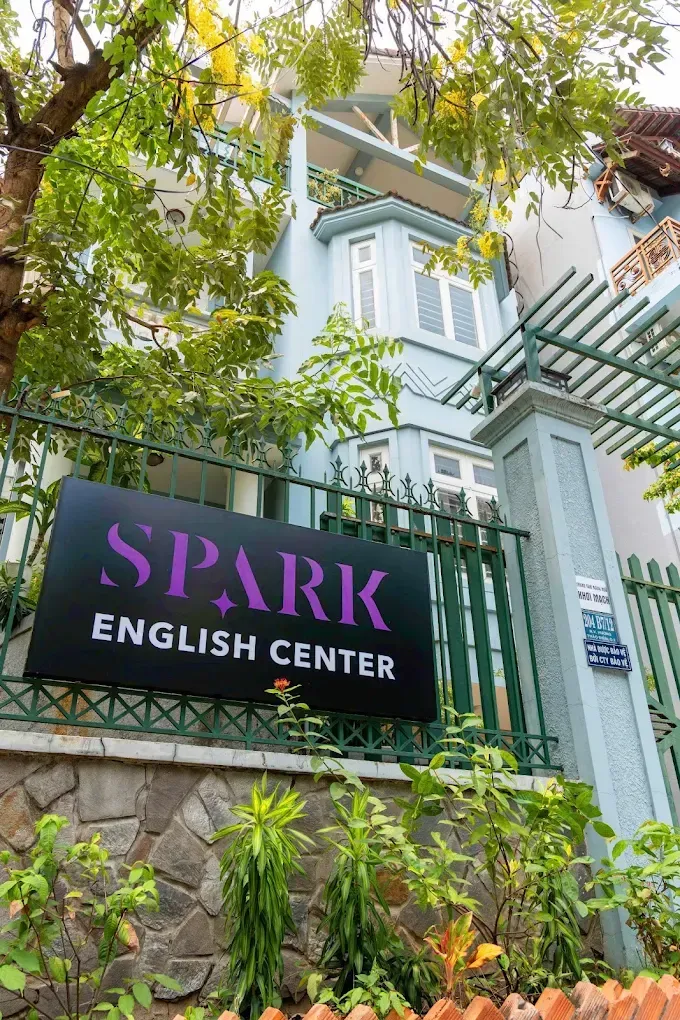
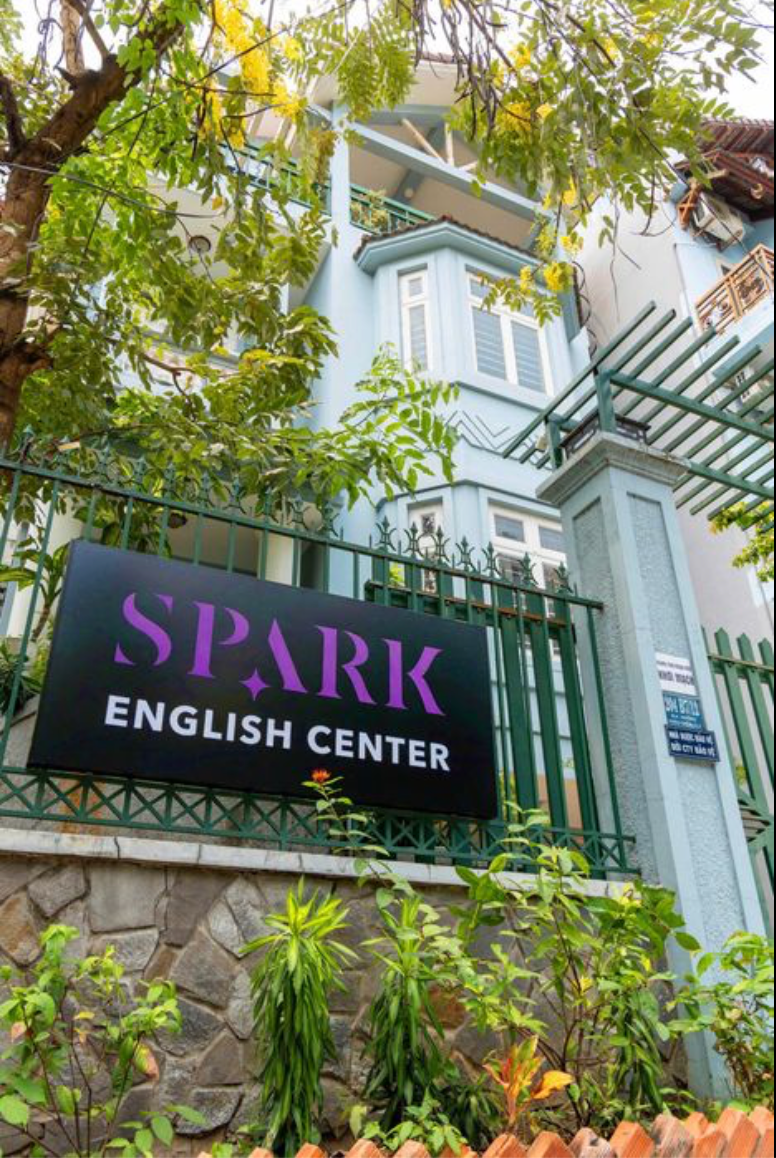
At Spark English Center Vietnam, many students come from BIS and similar schools across HCMC (Saigon).
Spark works as a bridge between:
👉 where the child currently is
👉 where the school expects them to be
Through:
- phonics and structured literacy
- ESL development
- academic English support
- small classes (maximum 6 students)
Spark teaches the way native English-speaking parents teach their own children—step by step, with clarity.
It’s designed to support both:
- students who are behind
- students who want to stay ahead
A More Useful Question for Parents
Instead of asking:
“Is BIS a good school?”
Try asking:
👉 “Is my child fully accessing the learning in English?”
Because even in a strong school, access depends on language ability.
FAQs
Is it normal for BIS students to have different English levels?
Yes. International schools naturally have mixed language backgrounds, especially in HCMC.
My child seems fine—should I still be concerned?
If they are reading, writing, and understanding independently, that’s a good sign. But small gaps can grow over time.
What is the biggest risk for ESL students at BIS?
Falling behind in reading and academic language without it being immediately obvious.
Can BIS support all students equally?
Teachers support students, but mixed-level classes make it difficult to address every gap fully.
What kind of support helps most?
Structured literacy (phonics), reading development, and academic English support.
Does this affect long-term academic success?
Yes. Strong literacy skills are essential for all subjects as students progress.
Is extra English support only for struggling students?
No. Many strong students use it to maintain and extend their advantage.
A Clear Next Step for Parents
If you’re unsure where your child stands compared to their peers at BIS, the best step is to check clearly.
At Spark English Center Vietnam, the free assessment looks at:
- reading and phonics skills
- comprehension
- writing ability
- academic readiness
It helps you see whether your child is truly keeping up—or just appearing to.
👉 Book your free assessment here:
https://www.sparkvn.com/Assessment