Building the Foundations for Lifelong Reading Success
Reading is one of the most important skills a child will ever learn.
It is the gateway to learning, communication, confidence, and academic success. Before students can analyze literature, write essays, conduct research, or excel in school, they must first develop strong literacy foundations.
Children need to understand how sounds connect to letters, how words are formed, how sentences communicate meaning, and how written language helps us learn about the world.
At Spark, our Phonics & Literacy Development Program provides a structured pathway from early sound awareness to fluent reading, confident writing, and strong comprehension.
We do not simply teach children to memorize words.
We teach them how reading works.
Through systematic instruction, guided practice, and ongoing support, students develop the skills needed to decode unfamiliar words, read fluently, understand increasingly complex texts, and express their ideas clearly through writing.
By developing strong literacy foundations early, students become more confident learners and are better prepared for future academic success.
Why Literacy Matters
Literacy is far more than the ability to read words on a page.
Strong literacy skills influence almost every area of education and play a critical role in long-term academic achievement.
Students who read confidently are more likely to:
- Learn independently
- Build vocabulary naturally
- Understand classroom instruction
- Follow complex directions
- Write effectively
- Participate confidently in discussions
- Think critically about information
- Perform better across school subjects
As students move through school, reading demands increase significantly. Texts become longer, vocabulary becomes more advanced, and students are expected to analyze information rather than simply recall facts.
Without strong literacy skills, learning can become increasingly difficult.
With strong literacy skills, students gain access to a world of opportunities.
Reading is not simply another subject.
It is the foundation upon which future learning is built.

The Spark Approach to Literacy Development
At Spark, literacy development follows a clear and structured pathway.
Rather than asking students to memorize words or rely on guessing strategies, we teach them the skills needed to understand how language works.
Our program combines:
- Systematic phonics instruction
- Reading fluency development
- Vocabulary growth
- Reading comprehension
- Writing instruction
- Storytelling and communication
- Confidence building through success
Each stage builds upon the previous stage, ensuring that students develop strong foundations before moving to more advanced skills.
This structured approach helps students become confident readers who understand what they read and can communicate their ideas effectively through writing.
Who Is This Program For?
This program is ideal for:
- Preschool students beginning their literacy journey
- Kindergarten students learning letters and sounds
- Early primary students learning to read independently
- Students who need additional phonics support
- Students struggling with decoding and word recognition
- Students experiencing reading delays
- Students who need stronger spelling foundations
- Students who lack confidence when reading
- Families who want to build strong literacy skills from an early age
Every student begins with an assessment so we can identify strengths, learning gaps, and the most appropriate starting point.
The Six Stages of Literacy Development
At Spark, literacy development follows a structured pathway that helps students progress from early sound awareness to fluent reading, advanced writing, and strong comprehension.
Each stage builds upon the previous stage, ensuring that students develop the skills needed to become confident, independent readers and writers.
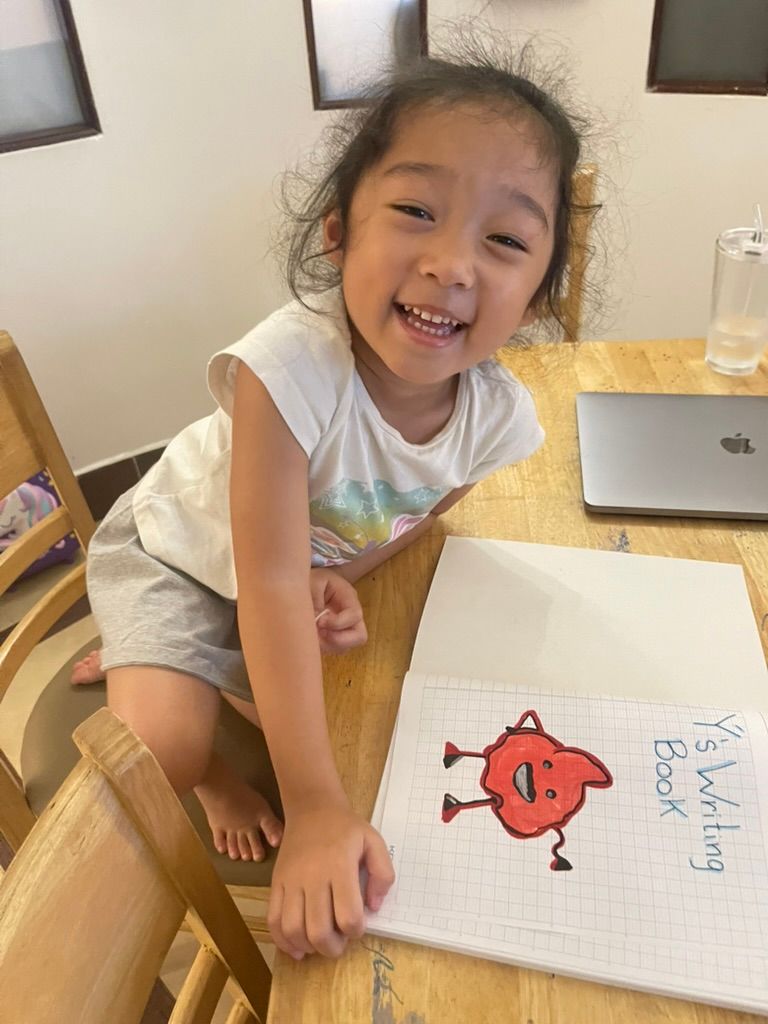
Phase 1 — Pre-Reading / Emergent Literacy
Focus: Sound Awareness and Language Development
Before children learn to read, they must first learn to listen.
At this stage, students develop the foundational skills that support future literacy, including listening, speaking, vocabulary, and sound awareness.
Students develop:
• Sound awareness Listening skills
• Speaking and oral language
• Rhyming awareness
• Early vocabulary
• Story enjoyment
• Fine motor development
• Gross motor development
• Early letter recognition
Why It Matters
Children learn to hear and identify sounds before they learn to connect those sounds to letters. Strong oral language and sound awareness skills provide the foundation for future reading success.
Outcome
Children develop the readiness skills needed to begin formal reading and writing instruction.
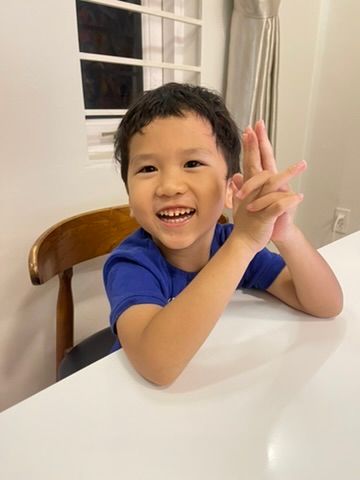
Phase 2 — Initial Decoding / Letter Formation
Focus: Early Reading and Writing
Students begin learning how sounds connect to letters and how letters combine to form words.
Students develop:
• Letter-sound relationships
• Blending sounds to read words
• Segmenting sounds for spelling
• Reading CVC words
• Vowel sound recognition
• Letter formation
• Handwriting foundations
• Early sentence writing
Students begin reading simple words such as:
• cat
• sit
• pen
• tap
while building confidence as early readers.
Why It Matters
Students discover that reading is not guessing. Reading is understanding how sounds and letters work together to create words.
Outcome
Children begin reading simple texts and writing basic words and sentences independently.

Phase 3 — Extended Decoding / Writing
Focus: Complex Sound Patterns and Sentence Development
Students begin working with more advanced spelling patterns while developing greater confidence as readers and writers.
Students develop:
• Digraphs (sh, ch, th, ng)
• Trigraphs
• Vowel teams
• Longer-word reading
• Reading accuracy
• Spelling development
• Sentence construction
• Grammar foundations
Students begin applying their phonics knowledge to increasingly complex reading and writing tasks.
Why It Matters
Students move beyond simple decoding and begin developing the skills needed for fluent reading and effective written communication.
Outcome
Students confidently read more challenging texts and write complete sentences with increasing accuracy.
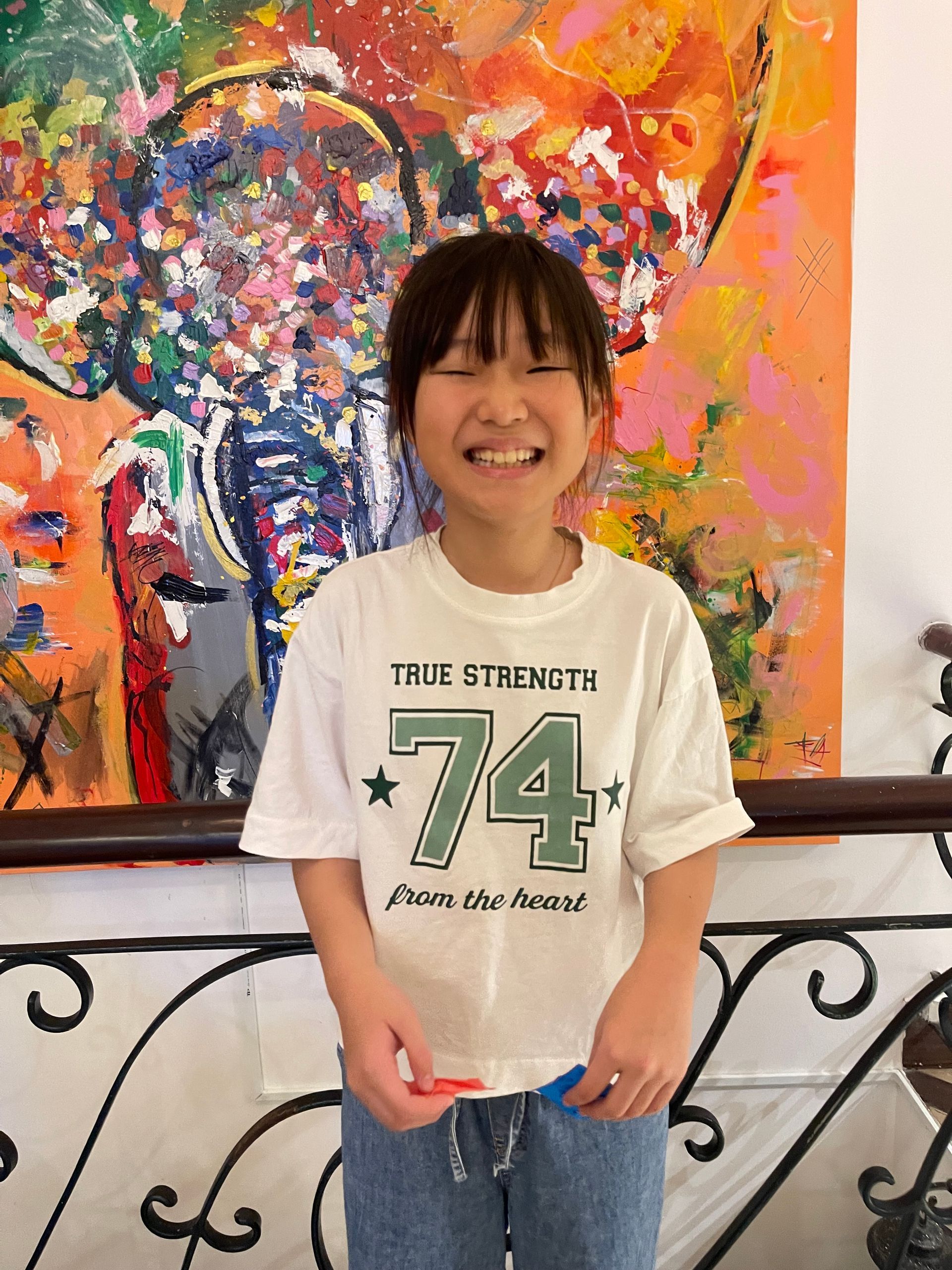
Phase 4 — Transitional Reading / Extended Writing
Focus: Fluency and Automaticity
Students transition from learning to read toward reading to learn.
Students develop:
• Reading fluency
• Automatic word recognition
• Reading stamina
• Multisyllabic word reading
• Sight vocabulary
• Expression and phrasing
• Extended writing
• Written expression
As decoding becomes more automatic, students can focus more attention on understanding meaning.
Why It Matters
Fluent readers comprehend more effectively because they spend less mental effort decoding individual words.
Outcome
Students read more smoothly, confidently, and independently while producing longer and more organized pieces of writing.
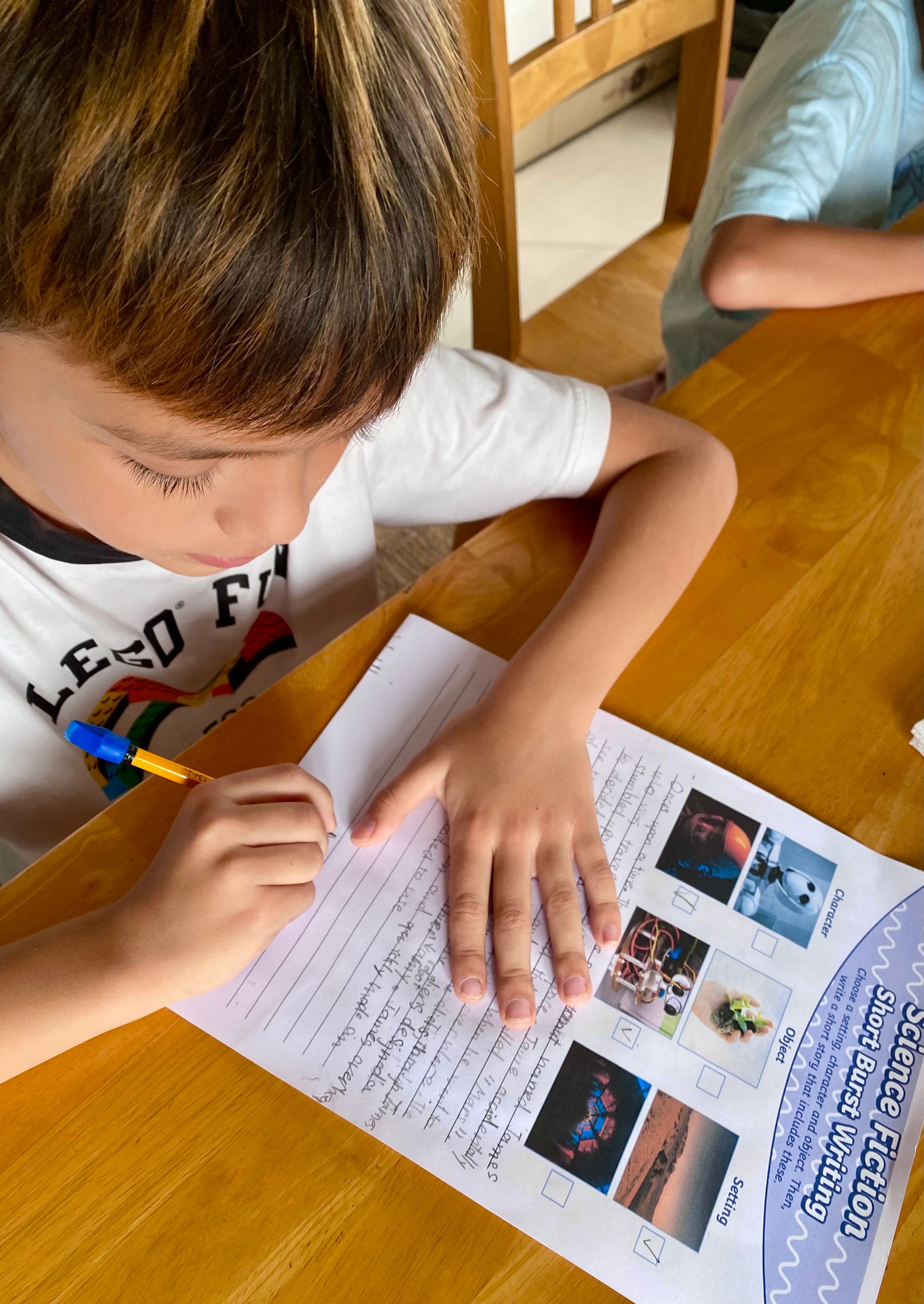
Phase 5 — Fluent Reading / Advanced Writing
Focus: Meaning, Vocabulary, and Comprehension
Students become increasingly independent readers and writers who use literacy as a tool for learning.
Students develop:
• Reading comprehension
• Advanced vocabulary
• Prefixes, suffixes, and word roots
• Critical thinking
• Storytelling skills
• Creative writing
• Extended written responses
• Reading for information and enjoyment
Students engage with increasingly sophisticated texts and develop the confidence to discuss, analyze, and respond to what they read.
Why It Matters
Strong reading skills support vocabulary growth, comprehension, writing development, and future academic success.
Outcome
Students read independently with understanding and write with confidence, creativity, and purpose.
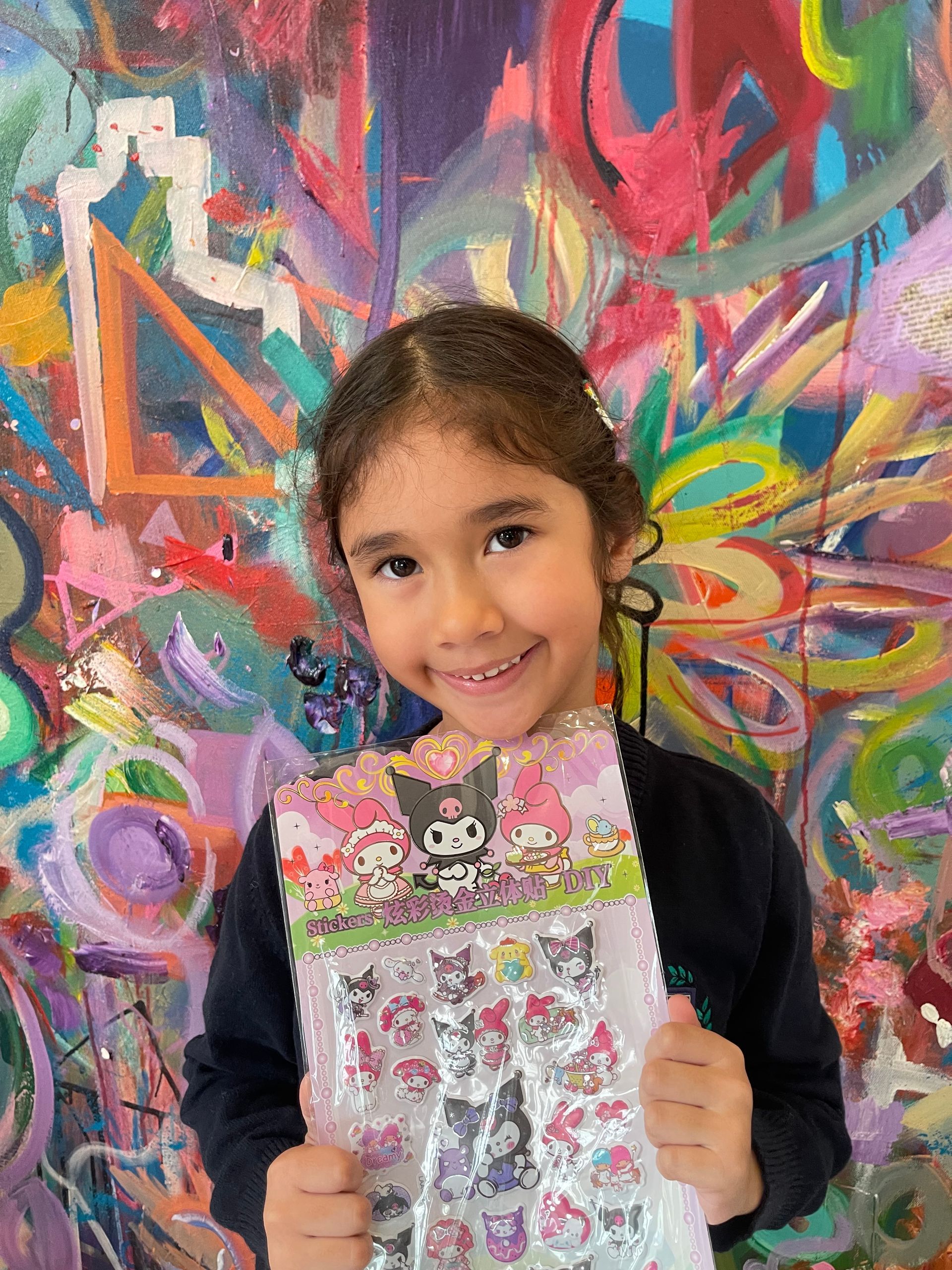
Phase 6 — Advanced Literacy & Spelling
Focus: Advanced Literacy and Written Communication
Students refine their reading and writing skills while developing greater precision, sophistication, and control.
Students develop:
• Advanced spelling patterns
• Morphology (prefixes, suffixes, and roots)
• Academic vocabulary
• Reading across a wide range of texts
• Analytical thinking
• Writing accuracy
• Writing clarity
• Advanced written communication
Students learn to apply their literacy skills across academic subjects while continuing to strengthen comprehension, vocabulary, and written expression.
Why It Matters
Advanced literacy skills support success in academic English, essay writing, international school curricula, and future examination pathways.
Outcome
Students read fluently across a variety of texts and write with increasing accuracy, sophistication, and clarity.
What Progress Looks Like
As students move through the program, parents often notice significant changes in both confidence and performance.
Students frequently demonstrate:
- Increased reading confidence
- Greater willingness to read independently
- Improved reading fluency
- Stronger spelling skills
- Better writing ability
- Expanded vocabulary
- Improved comprehension
- Increased participation in discussions
- Greater enjoyment of books and stories
Many students who initially struggle with reading become increasingly confident learners as their literacy skills develop.
How Literacy Supports Success
Strong literacy skills prepare students for far more than English class.
They provide the foundation for future academic learning and support success across all subjects.
Strong literacy skills contribute to:
- Academic English development
- Essay writing
- Reading comprehension
- Vocabulary growth
- Critical thinking
- International school success
- IELTS preparation
- Independent learning
The stronger a student’s literacy foundation, the easier it becomes to develop higher-level academic skills later in their educational journey.
The Spark Difference
Many literacy programs focus solely on reading words accurately.
At Spark, we focus on developing complete readers and writers.
Students learn to:
- Decode words accurately
- Read fluently
- Understand meaning
- Build vocabulary
- Communicate clearly
- Write confidently
- Think critically
- Enjoy reading
Our goal is not simply to teach children how to read.
Our goal is to help them become confident, capable learners who can use reading and writing as tools for lifelong success.
FAQs
Choosing the right literacy program can feel overwhelming, especially for parents who are navigating the early stages of reading development. Below are answers to some of the most common questions families ask about phonics, literacy instruction, reading development, and how the Spark Phonics & Literacy Program supports learners.
What age should my child start phonics?
Most children can begin developing phonological awareness and early literacy skills from around three years of age. Early exposure to sounds, stories, rhymes, and books helps build strong foundations for future reading success.
What if my child already knows the alphabet?
Knowing letter names is only one small part of learning to read.
Students must also learn how sounds connect to letters, how sounds blend together to form words, and how spelling patterns work.
Can phonics help struggling readers?
Yes.
Many reading difficulties are linked to gaps in phonics knowledge, decoding skills, or reading fluency. Structured phonics instruction often helps students close these gaps and become more confident readers.
Does phonics improve spelling?
Absolutely.
Reading and spelling develop together. As students learn how sounds connect to letters and spelling patterns work, spelling accuracy typically improves alongside reading ability.
My child can read words but struggles to understand what they read. Can Spark help?
Yes.
Literacy development involves much more than decoding words. Our program also develops vocabulary, comprehension, discussion skills, and critical thinking.
How do I know if my child needs literacy support?
Signs may include:
• Avoiding reading
• Slow or hesitant reading
• Difficulty sounding out words
• Poor spelling
• Difficulty understanding texts
• Low confidence when reading
A literacy assessment can help identify strengths, gaps, and the most appropriate starting point.
How is progress monitored?
Student progress is monitored through assessment, classroom observations, reading performance, writing samples, vocabulary development, and ongoing teacher feedback.
Will this program help with school performance?
Strong literacy skills support success across all subjects. Improvements in reading, vocabulary, writing, and comprehension often lead to increased confidence and stronger academic outcomes.
Begin Your Child’s Reading Journey
Every confident reader starts somewhere.
Whether your child is learning letter sounds, developing reading fluency, or building stronger literacy foundations, understanding their current level is the first step toward progress.
Book a free literacy assessment and discover your child’s reading strengths, areas for growth, and personalized pathway toward reading success.