Moving to HCMC With Kids: The Ultimate Parent Survival Guide
Moving to Ho Chi Minh City With a Child: The Ultimate Guide for International Families
What Parents Wish They Knew Before Relocating to HCMC (Saigon)
Moving to another country with children is exciting—but also overwhelming.
For many families relocating to Ho Chi Minh City (HCMC/Saigon), the biggest questions are not just about visas or apartments.
They are about:
- schools
- language
- friendships
- routines
- emotional adjustment
- and whether their child will truly adapt and succeed
Whether you are moving from Korea, Japan, Singapore, Europe, or another part of Vietnam, this guide will help you understand the realities of raising children in HCMC—and how to make the transition smoother.
1. HCMC Is Extremely Family-Oriented—But Also Intense
One of the first things many families notice is that HCMC is surprisingly child-friendly.
You will find:
- family cafés
- indoor play spaces
- international communities
- parks and activity centers
But the city is also:
- loud
- busy
- crowded
- sensory-heavy for young children
For some kids, this feels exciting.
For others, especially younger or more sensitive children, the adjustment period can feel exhausting at first.
2. Choosing the Right Area Matters More Than Parents Expect
Most international families choose areas based on:
- school proximity
- commute time
- family lifestyle
- access to activities
The most popular family areas include:
Thảo Điền (District 2)
Popular with:
- international school families
- expats
- Korean and European communities
Known for:
- cafés
- international restaurants
- family-focused lifestyle
- walkability compared to other areas
District 7
Popular with:
- Korean families
- families attending schools like SSIS or BVIS
Generally quieter and more residential.
Bình Thạnh
A growing option for families wanting:
- easier access to central districts
- lower costs than Thảo Điền
Why Location Affects Children More Than Parents Expect
Long commutes in HCMC traffic can impact:
- sleep
- mood
- homework energy
- emotional adjustment
Many parents underestimate how exhausting transportation becomes for children over time.
3. International Schools Are Very Different From One Another
Many parents assume all international schools provide similar experiences.
They do not.
Some schools are:
- academically intensive
- highly literacy-focused
- demanding in writing and reading expectations
Others are:
- bilingual
- socially focused
- less academically rigorous
Important Reality
Most international schools assume children already have strong English foundations.
This becomes challenging for:
- ESL learners
- bilingual students
- children transitioning from local systems
A child may appear conversationally fluent…
…but still struggle with:
- reading comprehension
- writing structure
- phonics gaps
- academic vocabulary
4. Conversational English and Academic English Are Completely Different
This surprises many families.
Children often learn conversational English relatively quickly:
- greetings
- playground language
- casual communication
But academic English is far more demanding.
Academic English includes:
- essay writing
- reading comprehension
- subject vocabulary
- analysis and explanation
- classroom discussion skills
This is why some children seem socially comfortable…
…but begin struggling academically after Grade 3 or Grade 4.
5. Many International School Students Quietly Need Extra English Support
This is extremely common in HCMC.
Especially among:
- Korean families
- Japanese families
- Vietnamese bilingual families
Because international schools typically:
👉 teach IN English
not
👉 teach English systematically
Children without strong literacy foundations often struggle quietly for years before parents fully notice.
6. Phonics Matters Much More Than Many Parents Realize
Many children in Asia learn English through:
- memorization
- repetition
- vocabulary lists
But not through structured phonics instruction.
Without phonics, children often:
- guess words
- read slowly
- struggle with spelling
- avoid books
- lose confidence
Strong phonics skills support:
- reading fluency
- pronunciation
- comprehension
- writing accuracy
This is why many families in HCMC search for:
- phonics programs
- ESL supports international school
- academic literacy intervention
after relocating.
7. Emotional Adjustment Matters as Much as Academics
Moving countries affects children emotionally—even when they seem “fine.”
Common experiences include:
- homesickness
- withdrawal
- confidence drops
- frustration with language
- social anxiety
Some children become:
- quieter
- more emotional
- resistant to school
Not because they are incapable.
But because:
👉 everything suddenly feels unfamiliar.
8. Children Often Need Help Rebuilding Confidence
Relocation can temporarily change a child’s identity.
A child who previously felt:
- capable
- confident
- successful
may suddenly feel behind.
This especially affects ESL students in international schools.
Many begin:
- participating less
- avoiding speaking
- hiding mistakes
Parents often mistake this for laziness.
But often it is:
👉 language insecurity.
9. Small-Group Learning Usually Produces Faster Results
Many families initially choose large English centers.
But large classrooms often mean:
- limited speaking time
- little individual feedback
- passive participation
Children with genuine literacy or academic English gaps usually improve faster in:
- structured small groups
- high-feedback environments
- literacy-focused programs
10. Consistency at Home Matters More Than Expensive Programs
Parents often feel pressure to:
- overload schedules
- hire multiple tutors
- maximize every hour
But language growth depends more on consistency than intensity.
Simple habits matter enormously:
- daily reading
- English conversation
- storytelling
- listening practice
- discussing books
Even 15–20 minutes daily creates powerful long-term results.
11. Screen Time Alone Rarely Builds Strong English
Many children spend hours consuming passive content.
But passive exposure alone rarely builds:
- reading fluency
- writing skills
- academic vocabulary
- confident communication
Students still need:
- guided reading
- conversation
- writing practice
- structured language use
English improves fastest when children actively USE language.
12. Community Helps Children Adjust Faster
Children adapt faster when families build routines and social connection.
Helpful strategies include:
- joining activities
- arranging playdates
- building friendships outside school
- creating predictable family routines
Parents need community too.
Relocation is emotionally demanding for adults as well.
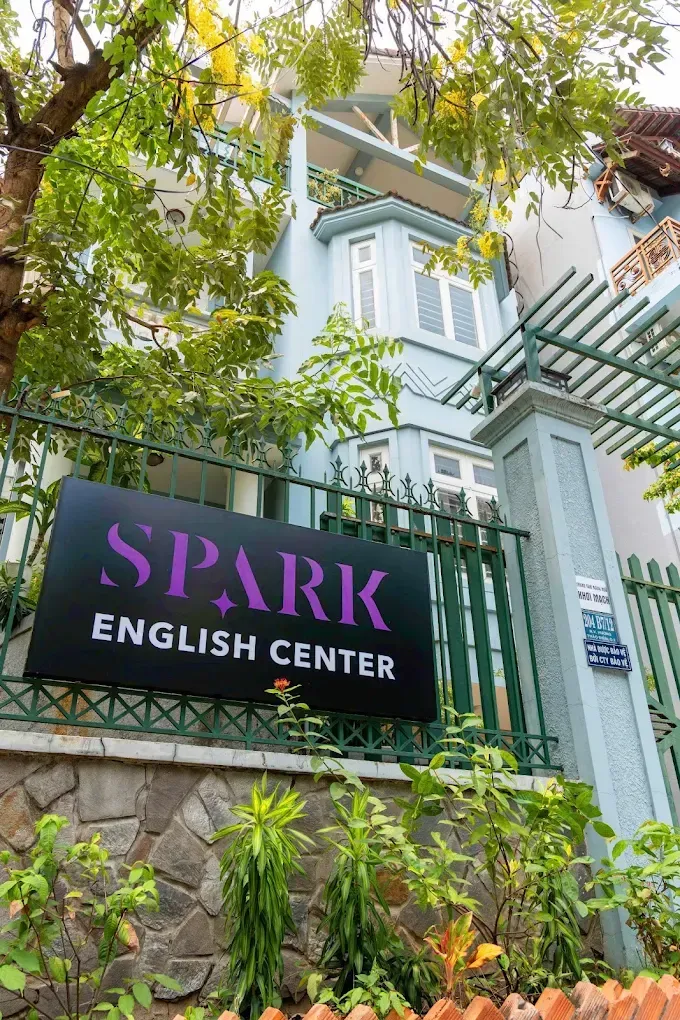
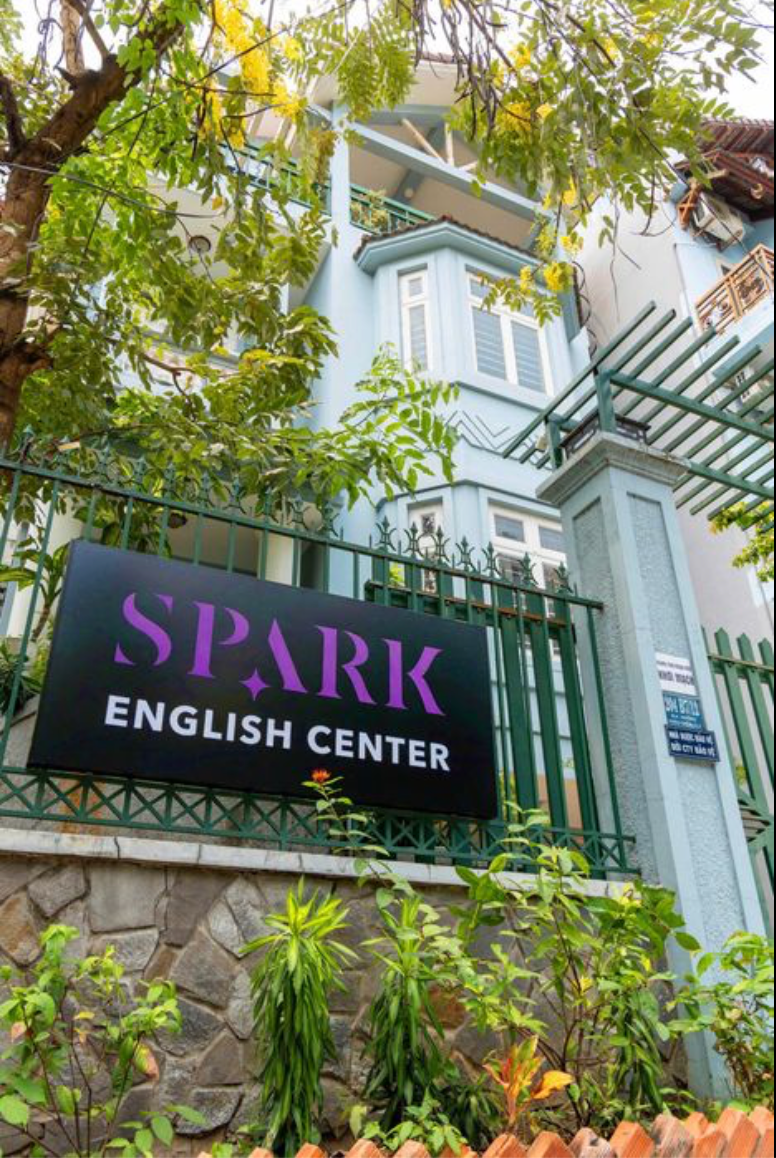
13. Why Many Families Choose Spark English Center Vietnam
At Spark English Center Vietnam, many students are:
- international school learners
- bilingual students
- ESL children adjusting to academic English
Spark acts as:
- a bridge to international school expectations
- a structured literacy support system
- a confidence-building environment
Spark focuses on:
- phonics + structured literacy
- ESL communication
- academic reading and writing
- long-term English pathways through IELTS
What Makes Spark Different
- small classes (maximum 6 students)
- personalized support
- international school alignment
- structured progression
- premium English learning experience
Spark teaches the way native English-speaking parents teach their own children:
👉 through reading
👉 communication
👉 structured literacy
👉 confidence-building
👉 meaningful language use
Serving international school families across HCMC (Saigon), Spark supports students from foundational phonics all the way to advanced academic English and IELTS preparation.
14. Your Child Does Not Need to “Catch Up Alone”
One of the biggest mistakes parents make is waiting too long.
Many children silently struggle for months—or years.
Because externally they seem:
- “okay”
- conversational
- socially adjusted
But internally they may still struggle with:
- comprehension
- writing
- confidence
- literacy foundations
Early support changes outcomes dramatically.
FAQs: What Parents Moving to HCMC With Children Often Ask
Is Ho Chi Minh City a good place to raise children long-term?
For many international and bilingual families, yes. HCMC offers strong international schools, diverse communities, family-friendly cafés and activities, and a growing number of educational opportunities. Areas like Thảo Điền and District 7 are especially popular because they combine convenience, international communities, and child-focused services.
That said, the adjustment can feel intense at first. Traffic, noise, weather, and language differences can overwhelm some children initially. Families who adapt best usually build routines quickly and focus on emotional adjustment—not just academics.
What is the biggest mistake families make after moving to HCMC?
Many parents focus entirely on school placement while underestimating language adjustment and emotional transition.
A child may technically enter a strong international school but still struggle because of:
- weak reading foundations
- academic English gaps
- low confidence speaking English
- difficulty understanding classroom instructions
Another common mistake is waiting too long before seeking support. Children often compensate quietly for months before problems become visible academically.
How long does it usually take children to adjust to an international school in Vietnam?
It depends heavily on:
- age
- personality
- previous English exposure
- literacy level
- emotional resilience
Some children adapt socially within weeks but need much longer academically.
For many ESL learners:
- conversational English improves first
- academic English develops much more slowly
A child may appear “comfortable” socially while still struggling with reading comprehension, writing organization, or subject vocabulary for 6–18 months.
Why do some children suddenly struggle after Grade 3 or Grade 4?
This is extremely common in international schools.
In early years, children can often succeed through:
- basic speaking
- memorization
- visual support
- simple reading tasks
But after Grade 3, schools begin expecting:
- independent reading
- analytical thinking
- essay writing
- academic vocabulary
- complex comprehension
Children with hidden literacy gaps often begin falling behind at this stage because the curriculum becomes language-heavy.
My child speaks English fluently. Why are they still struggling academically?
Speaking fluently does not automatically mean a child has strong academic English.
Many children develop:
- playground English
- conversational confidence
- social fluency
But still struggle with:
- reading comprehension
- structured writing
- spelling
- grammar accuracy
- understanding academic instructions
Academic English requires much deeper literacy skills than everyday conversation.
Is phonics really necessary for older children?
Yes—especially for children who:
- guess words while reading
- dislike reading
- struggle with spelling
- read slowly
- avoid unfamiliar vocabulary
Older students with weak phonics foundations often compensate by memorizing words visually. This works temporarily, but eventually limits reading fluency and comprehension.
Structured phonics intervention can still dramatically improve reading accuracy and confidence—even for upper primary and lower secondary students.
Should we choose a tutor or an English center?
It depends on the child’s needs.
A tutor can help if they:
- understand literacy development
- provide structured instruction
- diagnose skill gaps accurately
But many tutors focus only on homework support or conversation practice.
Strong English centers often provide:
- structured progression
- assessments
- literacy systems
- speaking routines
- reading pathways
- progress tracking
The key is not “tutor vs center.” The key is whether the support is:
👉 structured
👉 diagnostic
👉 personalized
👉 academically aligned
How much English should children practice at home each day?
Consistency matters far more than long study hours.
For most children:
- 15–20 minutes of daily reading
- short speaking practice
- simple writing activities
- listening exposure
can create major long-term improvement.
Parents often assume children need hours of extra study, but sustainable routines are usually more effective.
What if parents do not speak English confidently themselves?
Children can still improve enormously.
Parents do not need perfect English to support learning.
Helpful strategies include:
- reading together
- asking simple questions about books
- encouraging storytelling
- creating English routines
- celebrating effort
What matters most is creating a positive relationship with language learning.
Why do some children become quieter after entering an international school?
This is often linked to confidence, not intelligence.
Children who previously felt capable may suddenly feel:
- behind classmates
- afraid of mistakes
- slower processing English
- embarrassed speaking publicly
As a result, they:
- participate less
- avoid speaking
- stop asking questions
This is extremely common among ESL learners in academically demanding environments.
How can parents tell whether a child has a real literacy gap?
Some common warning signs include:
- guessing words instead of decoding
- reading slowly despite “knowing English”
- weak spelling
- avoiding books
- difficulty retelling stories
- frustration during homework
- short or repetitive writing
- understanding verbally but struggling academically
These are often signs of foundational reading or language weaknesses—not laziness.
What type of English support works best for international school students in HCMC?
Students usually improve fastest when support includes:
- phonics + structured literacy
- reading fluency training
- writing development
- speaking confidence practice
- small-group interaction
- high teacher feedback
Large conversation-based classes alone are often not enough for students with academic English gaps.
Why do small classes matter so much?
In large classrooms, quieter students can easily disappear.
Small groups allow teachers to:
- monitor reading closely
- correct pronunciation immediately
- encourage speaking participation
- personalize instruction
- identify learning gaps quickly
This is especially important for ESL learners who need active language use—not passive listening.
How does Spark English Center Vietnam support international school students differently?
Spark was specifically designed for students who need more than general English conversation practice.
Spark supports:
- phonics and structured literacy
- ESL communication
- academic English development
- international school readiness
- long-term pathways from phonics to IELTS
With:
- maximum 6 students per class
- personalized feedback
- reading and writing support
- international school alignment
- structured progress tracking
Spark provides a premium English learning experience for families across HCMC (Saigon), helping children build genuine confidence and academic ability—not just short-term memorization.
When should parents seek help instead of “waiting to see”?
Earlier is almost always better.
Children rarely “grow out of” literacy gaps without targeted support.
If your child is:
- losing confidence
- avoiding reading
- struggling academically
- becoming quieter in English environments
it is worth investigating early.
The earlier gaps are identified, the easier they usually are to fix.
Final Thought
Moving to HCMC with children can become one of the most rewarding experiences your family ever has.
But adjustment takes time.
Children do not simply need:
- a school
- a curriculum
- a classroom
They need:
👉 support
👉 confidence
👉 communication
👉 structure
👉 emotional safety
And when those things exist, children thrive.
If your child is struggling with English after moving to HCMC—or you want to prepare them before entering an international school—the best first step is understanding their current level clearly.
At Spark English Center Vietnam, the free assessment evaluates:
- phonics foundations
- reading fluency
- academic English readiness
- speaking confidence
- writing development
This helps families understand:
👉 where their child currently stands
👉 and what support will help them succeed long-term
👉 Book your free assessment here:
https://www.sparkvn.com/Assessment