Why Spark Homework and Home Practice Matter for English Progress
Why Spark Homework and Home Practice Matter More Than Most Parents Realize
One of the most common questions we hear from parents is:
“Does my child really need to do the homework?”
It is a fair question.
Children already spend long days at school. Many have extracurricular activities, sports, family commitments, and busy schedules. When they finally arrive home, the last thing some parents want is to add more work to their child’s day.
At Spark English Center Vietnam, however, homework is not assigned simply because it is expected.
It is assigned because language learning does not begin and end inside the classroom.
Some of the most important progress students make happens between lessons.
Why Lessons Alone Rarely Create Fluency
Imagine a child learning to play the piano.
A weekly lesson can introduce new techniques, provide guidance, and correct mistakes. However, if the piano remains untouched until the next lesson, progress is likely to be slow.
Language learning works in much the same way.
A lesson introduces new sounds, vocabulary, reading strategies, writing skills, and communication techniques. Students receive instruction, feedback, and opportunities to practice.
But lasting improvement happens when those skills are revisited.
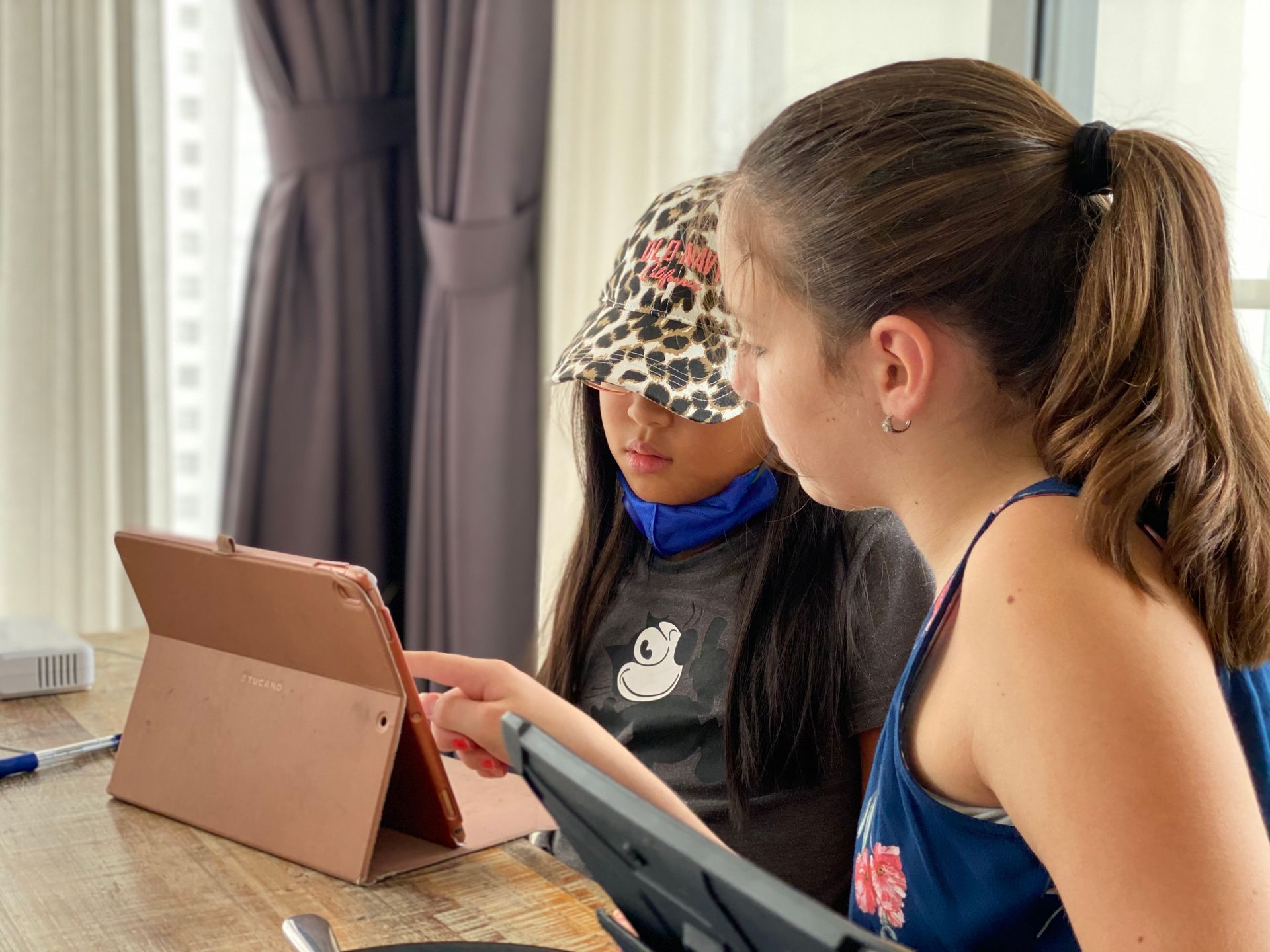
When students read at home, complete a short practice activity, review vocabulary, or use English outside class, they give their brains another opportunity to strengthen what they have learned.
Learning is not usually the result of one lesson.
It is the result of many small interactions with the same skill over time.
What Happens Between Lessons Matters
Many parents naturally focus on what happens during a lesson.
What did my child learn today?
What book did they read?
What writing task did they complete?
These are important questions.
But another question matters just as much:
What happens after the lesson ends?
A student may learn a new phonics pattern during class.
If they encounter that pattern again while reading at home, it becomes more familiar.
If they use it in a spelling activity, it becomes easier to remember.
If they see it repeatedly in different contexts, it gradually becomes automatic.
This process is how knowledge becomes skill.
The more meaningful opportunities students have to revisit learning, the stronger their foundations become.
Why Spark Assigns Homework
Homework at Spark is not designed to keep students busy.
It is designed to create additional opportunities for practice.
A phonics review helps reinforce reading skills.
A writing task helps strengthen communication.
A reading assignment helps build fluency, vocabulary, and comprehension.
A vocabulary activity helps students retain language they have already encountered.
Each activity serves a purpose.
Rather than introducing large amounts of new content, homework often helps students consolidate and strengthen what has already been taught.
In many cases, these small moments of practice can have a significant impact over time.
The Hidden Power of Reading at Home
If there is one habit that consistently supports language development, it is reading.
Students who read regularly are exposed to thousands of words, sentence structures, spelling patterns, and ideas that they may not encounter elsewhere.
They naturally expand their vocabulary.
They strengthen comprehension skills.
They become more familiar with written language.
They begin to recognize patterns that support both reading and writing development.
Reading also provides repeated exposure to phonics and spelling patterns, helping students become more fluent and confident readers.
This is one reason Spark places such a strong emphasis on reading outside the classroom.
Even short, regular reading sessions can help students maintain momentum between lessons.
Why Some Students Progress Faster Than Others
Parents sometimes notice that two students attending similar lessons can make very different levels of progress.
The difference is not usually intelligence.
More often, it comes down to engagement.
Some students actively interact with English throughout the week. They read, review, write, ask questions, and practice.
Others only engage with English during lesson time.
At first, the difference may seem small.
Over weeks and months, however, those small differences begin to accumulate.
Language learning is cumulative.
Small actions repeated consistently often produce significant results over time.
Confidence Is Built Outside the Classroom Too
One benefit of home practice that is often overlooked is confidence.
Students who engage with English between lessons frequently arrive feeling more prepared.
They recognize vocabulary more quickly.
They participate more readily.
They feel more comfortable reading aloud.
They are more willing to take risks and contribute to discussions.
Every successful reading session, completed homework task, or correctly written sentence becomes another positive learning experience.
Those experiences matter.
Confidence rarely appears overnight.
It grows through repeated moments of success.
What Parents Can Do to Help
The good news is that parents do not need to become English teachers.
In most cases, the greatest support comes from helping children develop consistent habits.
Simple actions can make a meaningful difference:
- Establish a regular homework routine
- Encourage daily reading
- Ask about what they learned in class
- Celebrate effort and improvement
- Create a calm space for learning
- Show interest in their progress
These habits help create an environment where learning can continue beyond lesson time.
The goal is not perfection.
The goal is consistency.
Why Consistency Matters More Than Intensity
Many parents assume progress comes from occasional periods of intense study.
In reality, language learning tends to respond better to regular engagement.
A student who reads a little each week is often better positioned than a student who only practices occasionally.
A student who consistently reviews vocabulary tends to retain more than a student who crams before a test.
Small actions repeated over time often have a surprisingly powerful effect.
This is true for reading.
It is true for writing.
And it is true for language learning as a whole.
The Spark Philosophy
At Spark English Center Vietnam, we believe strong results are built through strong habits.
A single lesson will not create fluency.
A single worksheet will not create confidence.
A single reading session will not transform a struggling learner.
But when quality teaching is combined with regular reading, meaningful practice, and consistent engagement, progress begins to build.
Week after week.
Month after month.
One small step at a time.
Our goal is not simply to teach students during lessons.
Our goal is to help them develop the habits, skills, and confidence that support long-term success.
Frequently Asked Questions
Why does Spark assign homework?
Homework provides students with additional opportunities to reinforce and practice skills learned during lessons. It helps strengthen reading, writing, vocabulary, and phonics development through regular review.
Does every student need the same amount of practice?
No. Every child is different. However, students who regularly engage with English outside lessons often make stronger and more consistent progress than students who only practice during class time.
What is the most valuable thing my child can do at home?
For most students, regular reading is one of the most effective ways to support language development. Reading strengthens vocabulary, comprehension, spelling, writing, and fluency simultaneously.
What if my child occasionally misses homework?
Missing homework occasionally is usually not a major concern. What matters most is maintaining consistent learning habits over the long term.
My child doesn’t enjoy homework. What should I do?
Focus on creating predictable routines rather than relying on motivation. Consistency often becomes easier once learning becomes part of a child’s regular schedule.
Is reading more important than worksheets?
Both can be valuable, but reading offers unique benefits because it develops multiple language skills at the same time. This is one reason reading plays such an important role in the Spark approach.
Final Thought
Many parents ask:
“What did my child learn today?”
It is an important question.
But perhaps an even more powerful question is:
“How will my child continue building on that learning this week?”
Because progress is rarely created by one lesson alone.
It is created when students revisit what they have learned, apply it, practice it, and gradually make it their own.
At Spark, we believe meaningful growth comes from consistency, not perfection.
One lesson.
One book.
One homework task.
One small success at a time.
Those moments may seem small individually, but together they become the foundation for confident readers, capable writers, and successful communicators.
Free Assessment and Personalized Learning Plan
If you’re unsure whether your child is progressing as quickly as they could be, a professional assessment can provide valuable clarity.
At Spark English Center Vietnam, our free assessment evaluates:
- Phonics and decoding skills
- Reading fluency and comprehension
- Vocabulary development
- Writing ability
- Speaking confidence
- Academic English readiness
You’ll receive clear feedback, practical recommendations, and a personalized pathway for improvement.
👉 Book your free assessment here:
https://www.sparkvn.com/Assessment