5 Signs Your Child Needs Phonics (HCMC Guide)
5 Signs Your Child Needs a Phonics Program—Not More Vocabulary (HCMC Guide for International School Parents)
“My child knows a lot of words… so why can’t they read properly?”
This is one of the most common concerns among parents in Ho Chi Minh City (Saigon), especially those with children in international schools.
On paper, everything looks fine:
- good vocabulary
- decent listening skills
- familiar with English lessons
But when it comes to reading, spelling, or writing…
👉 something doesn’t connect
And this is where many families go in the wrong direction.
They add more vocabulary.
When what the child actually needs is something very different.
The Real Issue Most Parents Don’t See
Vocabulary helps children understand meaning.
But reading is not just about meaning.
👉 It’s about decoding
If a child doesn’t know how sounds connect to letters, they:
- guess words
- memorize instead of read
- struggle with new or longer words
This is why students can appear “good at English” but still fall behind in international school English environments in Vietnam.
Sign 1: Your Child Guesses Words Instead of Reading Them
What it looks like:
- skipping unfamiliar words
- replacing words with similar-looking ones
- relying on pictures or context
At first, this seems normal.
But over time, it creates a habit:
👉 guessing instead of decoding
Why it matters
International school learning requires accuracy.
Guessing works for simple texts—but fails quickly with academic content.
Sign 2: Spelling Is Inconsistent (Even with Simple Words)
You might notice:
- The same word is spelled differently each time
- difficulty remembering basic spelling patterns
- frustration during writing tasks
This is not a memory problem.
👉 It’s a sound–letter connection problem
Without phonics, spelling becomes guesswork.
Sign 3: Reading Is Slow and Effortful
Some children can read—but very slowly.
They:
- pause often
- sound out every word
- lose meaning while reading
This affects more than the English class.
👉 It affects all subjects in an international school
Because reading becomes tiring instead of automatic.
Sign 4: Writing Feels Limited or Repetitive
Even with a good vocabulary, writing may look like:
- short, simple sentences
- Repeated word choices
- difficulty expressing ideas clearly
Why?
Because strong writing depends on:
👉 automatic reading + spelling
Without that foundation, ideas stay “stuck.”
Sign 5: Your Child Understands—but Can’t Apply
This is the most confusing sign for parents.
Your child:
- understands lessons
- knows vocabulary
- follows instructions
But struggles to:
- read independently
- write clearly
- express ideas in detail
👉 This gap is very common in ESL support in international school contexts
And it usually points back to missing phonics foundations.
Why More Vocabulary Doesn’t Fix This
It’s tempting to think:
“Maybe they just need more words.”
But vocabulary is only useful if a child can:
👉 read it
👉 spell it
👉 Use it independently
Without phonics:
- words stay passive
- Progress feels slow
- confidence drops
What Actually Works Long-Term
Children need a system—not more content.
A strong phonics program helps them:
- decode words accurately
- recognize patterns quickly
- spell with confidence
- read fluently
👉 This is what turns English into a usable skill—not just knowledge
A Note on International School Students in HCMC
Many students enter international schools in Saigon with:
- basic speaking ability
- memorized vocabulary
- limited reading systems
At first, they manage.
But as academic demands increase:
👉 gaps become visible
This is why early phonics and structured literacy matter so much.
How Spark Approaches This Differently
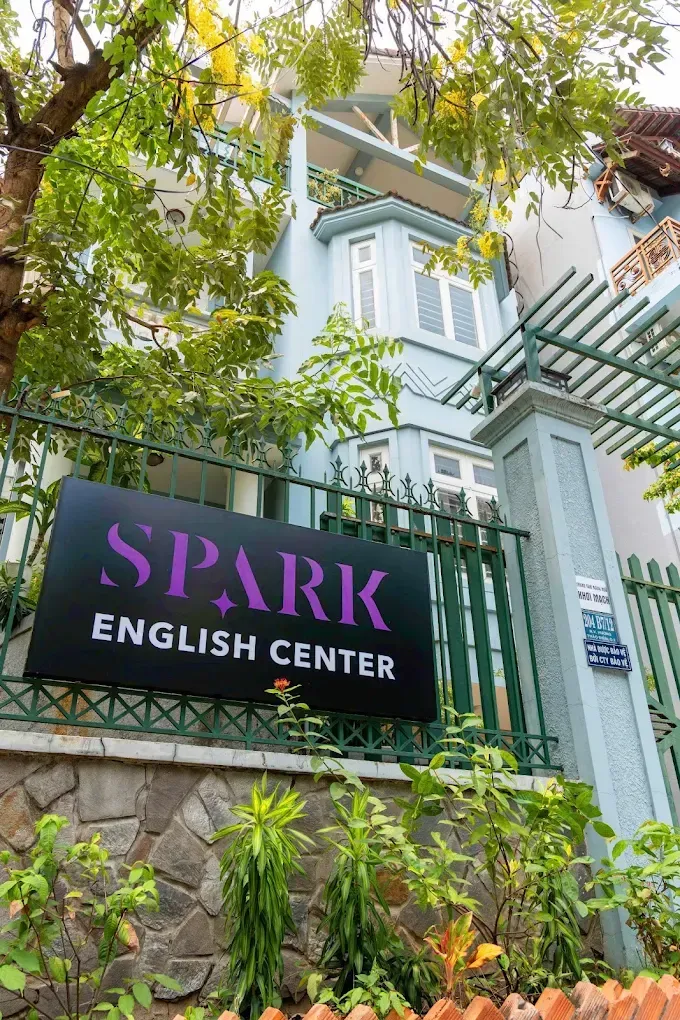
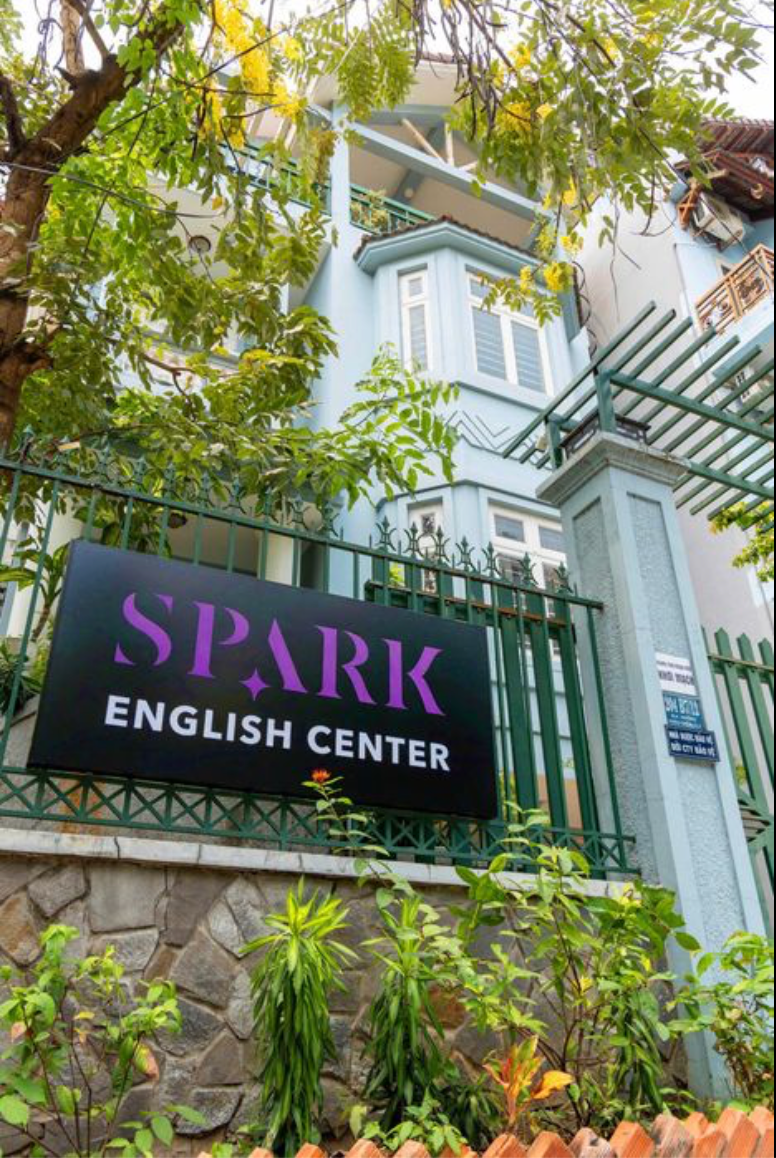
At Spark English Center Vietnam, children are not overloaded with vocabulary.
Instead, they are guided to:
- understand how English actually works
- build reading from sound to meaning
- develop confidence through structured literacy
Spark provides a premium English learning experience designed for international school readiness.
With:
- phonics + structured literacy
- ESL support for international school students
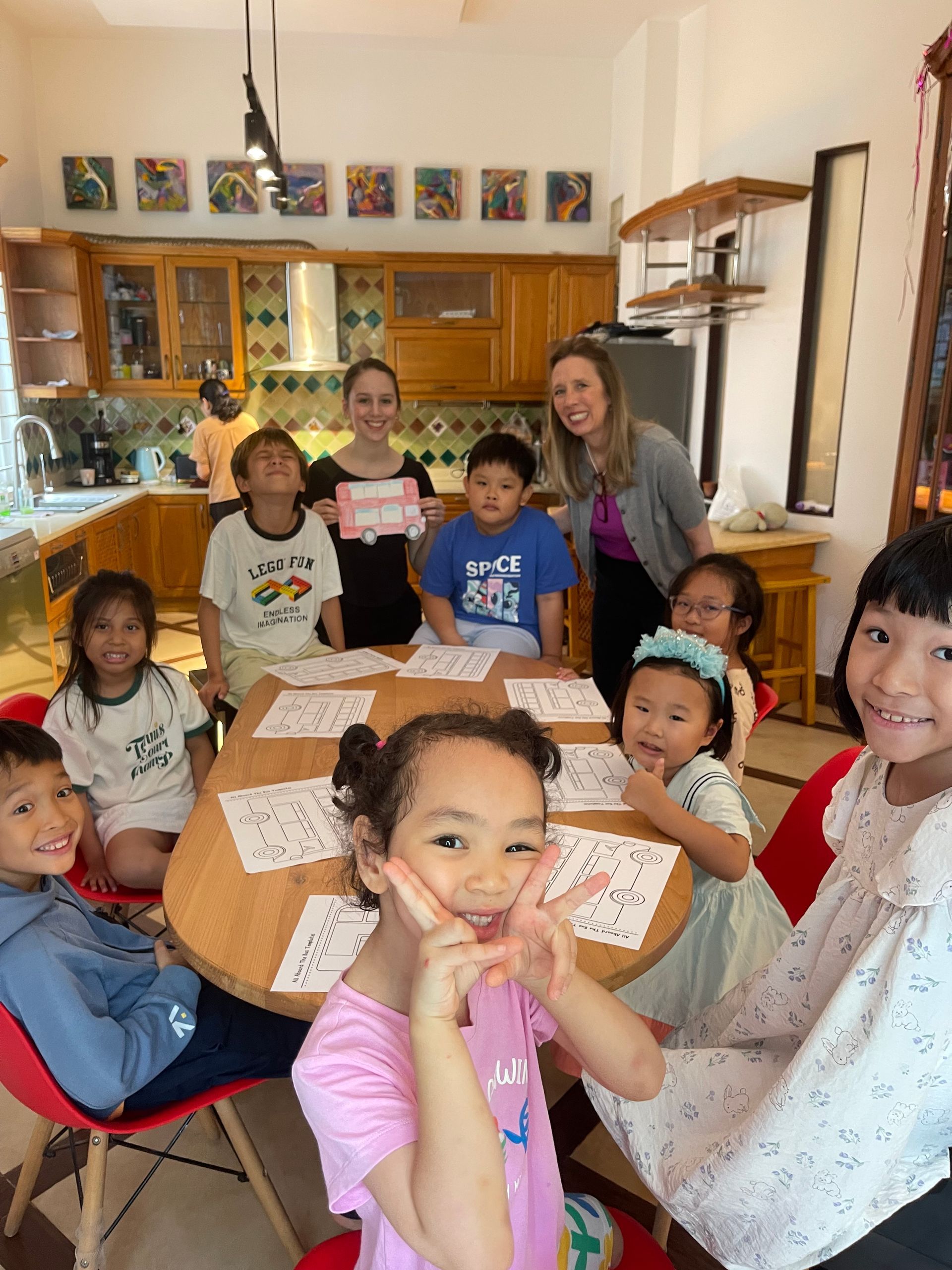
- small classes (maximum 6 students)
- clear, step-by-step progression
Spark teaches the way native English-speaking parents teach their own children—through clarity, consistency, and real understanding.
Serving families across HCMC (Saigon), Spark acts as a bridge between school expectations and real student ability.
A Simple Way to Think About It
Vocabulary = what your child knows
Phonics = how your child reads and uses it
👉 Without phonics, vocabulary stays limited
👉 With phonics, everything connects
FAQs
How do I know if my child needs phonics or just more practice?
If your child guesses words, struggles with spelling, or reads slowly, phonics is likely the missing piece—not more repetition.
Is phonics only for younger children?
No. Even older students benefit if they have never built strong, sound–letter connections.
My child is in an international school—don’t they already learn this?
Not always in a structured way. Many programs assume these skills are already in place.
Can phonics really improve writing?
Yes. Better decoding leads to better spelling, which supports clearer writing.
How long does it take to see improvement?
Many parents notice changes in reading confidence within a few weeks when learning is structured.
What if my child already knows a lot of vocabulary?
That’s helpful—but without phonics, they may not be able to use that vocabulary effectively.
Is this common in HCMC?
Very. Many students rely on memorization instead of structured reading systems.
At what age is it too late to start phonics?
There is no “too late.” Older students can catch up quickly once they understand sound–letter patterns clearly.
Will phonics make my child read faster or just more accurately?
Both. Accuracy comes first, and once decoding becomes automatic, reading speed naturally improves.
My child reads okay, but hates reading—could phonics still help?
Yes. Many children avoid reading because it feels difficult. When reading becomes easier, motivation often improves.
How is phonics different from memorizing sight words?
Sight words rely on memory. Phonics teaches a system, so children can read unfamiliar words independently.
Does phonics help with pronunciation, too?
Yes. Understanding sounds improves both reading and speaking clarity.
Can I support phonics at home if I’m not fluent in English?
Yes. Even simple activities like practicing sounds and reading together can reinforce learning.
Why does my child forget words so quickly?
Because memorized vocabulary without phonics isn’t deeply learned. Phonics helps words “stick.”
Will this help my child in subjects like science or math?
Yes. Strong reading skills support understanding across all subjects in an international school.
A Clear Next Step
If your child knows English but struggles to use it confidently, the first step is understanding why.
At Spark English Center Vietnam, the free assessment checks:
- reading accuracy and fluency
- spelling patterns and gaps
- phonics foundation
- Overall international school readiness
This helps you see:
👉 What your child can do now
👉 and what they actually need next
👉 Book your free assessment here:
https://www.sparkvn.com/Assessment
Serving international school families in HCMC (Saigon), Spark English Center Vietnam provides structured, premium English support that turns knowledge into real ability.