Why Many Parents Switch From English Centers to Private Tutors
It's a pattern many families in HCMC recognise.
Enrol at an English center. A few months pass. Progress seems slow. The class is too big. The teacher barely knows your child's name.
So you pull out and find a private tutor instead.
And then, a few months later, you realise the tutor isn't delivering either.
Why Parents Leave English Centers
The most common reasons parents leave English centers in Vietnam:
Too many students. A class of 15 or 20 is a classroom, not targeted support. Teachers cannot track individual gaps. Children who are behind fall further behind.
No visible progress. Without structured assessment and clear milestones, parents cannot see whether their child is actually improving—or just attending.
Wrong type of English. Many centers teach conversational English, games, songs, and general fluency. That is not what an international school student needs. Academic reading, writing, and comprehension require a completely different approach.
No continuity. High teacher turnover at large centers means your child starts over with someone new every few months.
Why the Switch to a Tutor Often Doesn't Work Either
Private tutors feel like the solution because they're personal.
But personal does not mean structured.
Most tutors in HCMC work from whatever the child brings to the session. They cover homework. They explain things that were confusing at school. They are kind and patient.
What they rarely do: follow a curriculum designed to close foundational gaps in phonics, reading, and academic writing.
The result: the child feels more supported but doesn't actually progress faster.
What Parents Are Really Looking For
When a parent switches from a center to a tutor—and then wonders why results are still slow—what they're actually looking for is this:
- Personal attention (small enough to matter)
- A genuine curriculum (structured, sequential, measurable)
- A teacher who knows their child's specific weaknesses
- Progress that is visible and real
That combination is rarer than it should be. But it exists.
The Third Option
There is a middle path that many parents discover too late.
A small-group structured program—not a large center, not an informal private tutor—that delivers both individual attention and a rigorous curriculum.
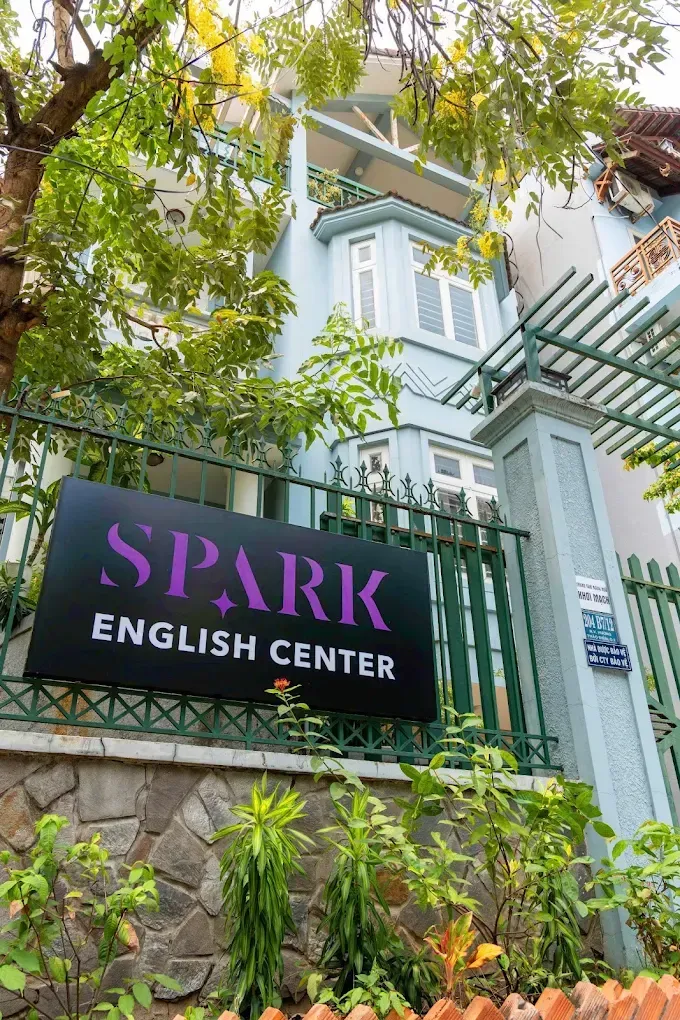
At Spark English Center Vietnam, classes are capped at 6 students. Every child works through a structured pathway. Teachers know every student's individual progress. And the program is designed specifically for the academic English demands of international schools.
It's not a big center. It's not a private tutor. It's something more effective than either.
FAQs
Why do large English centers often fail to deliver results?
Large classes mean teachers cannot personalise instruction. Children with gaps are left behind while the group moves on.
Is a private tutor ever the right long-term choice?
For highly specific, short-term needs—yes. For closing genuine foundational gaps in reading, writing, or comprehension—usually no.
What should I look for when choosing an English center?
Class size is the single biggest factor. Any class larger than 6 students significantly reduces the quality of individual attention.
My child has been at two centers and one tutor. What now?
The question to ask is: has anyone ever assessed your child's foundational English specifically—phonics, reading fluency, and writing structure? If not, that's where to start.
How is Spark different from a regular English center?
Spark caps classes at 6 students, follows a phonics-to-IELTS structured curriculum, and focuses exclusively on academic English for international school children.
Many parents reach this point and don't know where to turn next.
The first step is getting a clear, honest picture of where your child actually stands.