Small Group vs 1-on-1 English Learning: Which Is Better?
It sounds like a simple question.
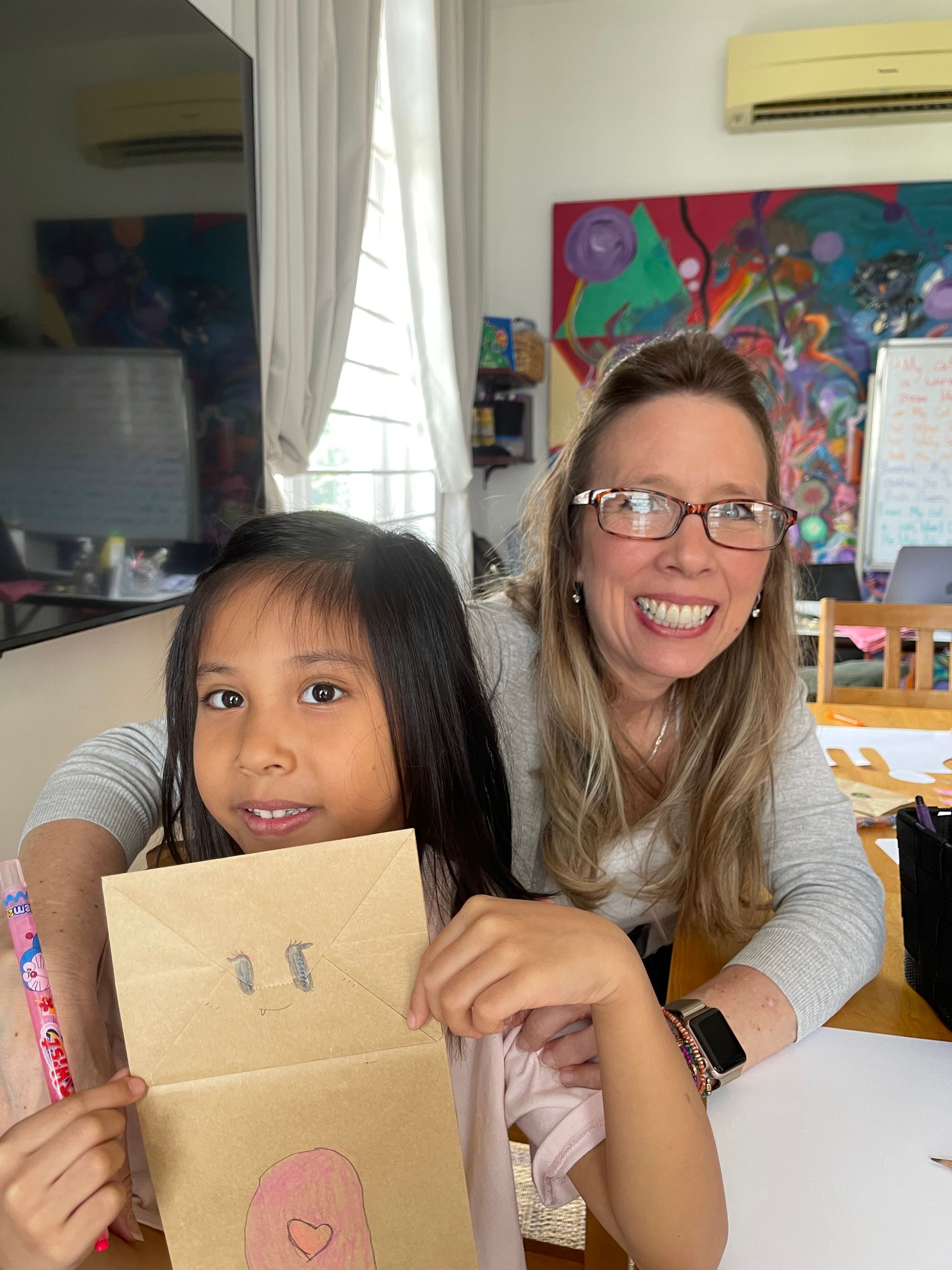
One child with one teacher. Or one teacher with a small group. Which produces better results?
The answer is more nuanced than most parents expect—and it matters for how you support your child's English development.
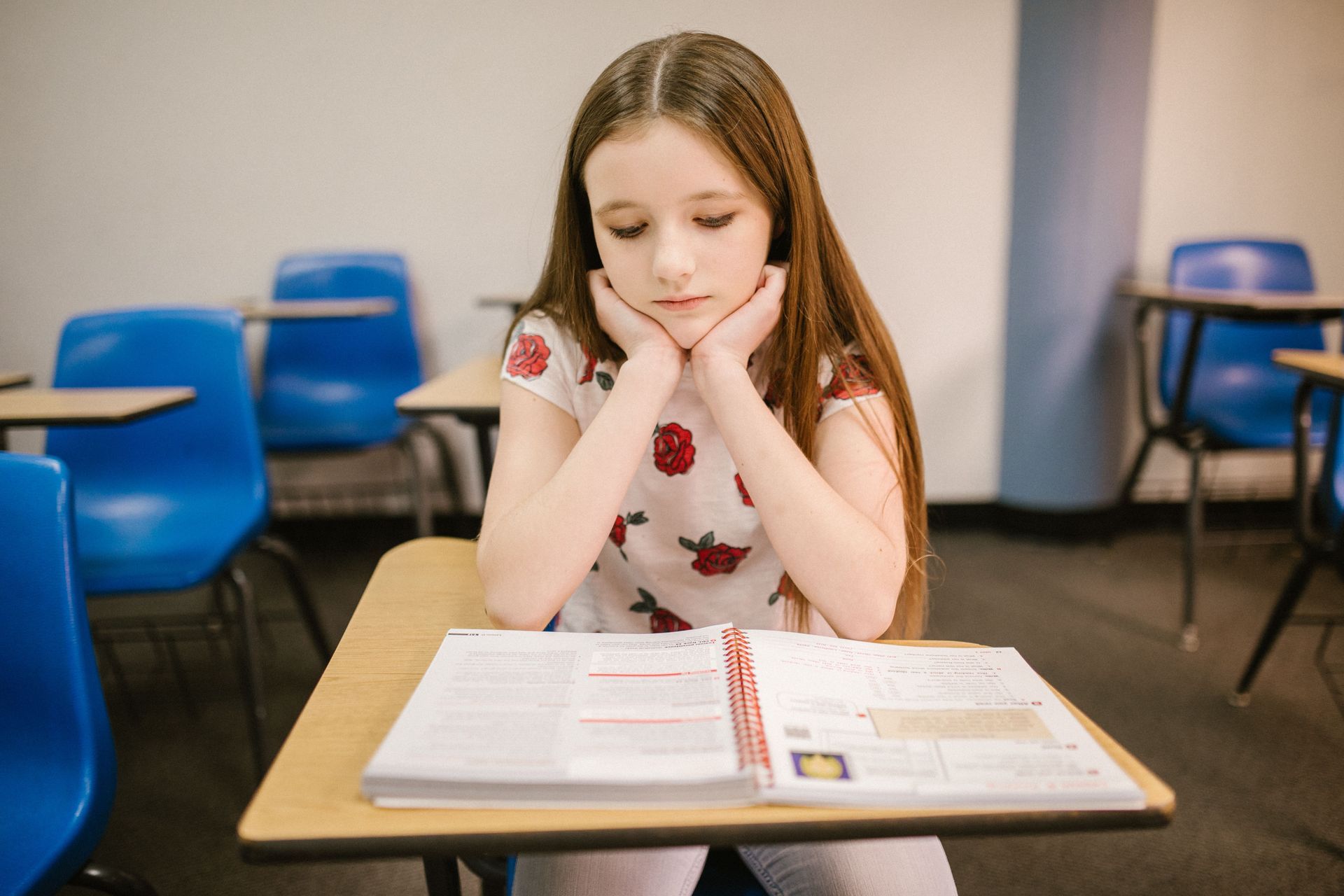
The Case for 1-on-1
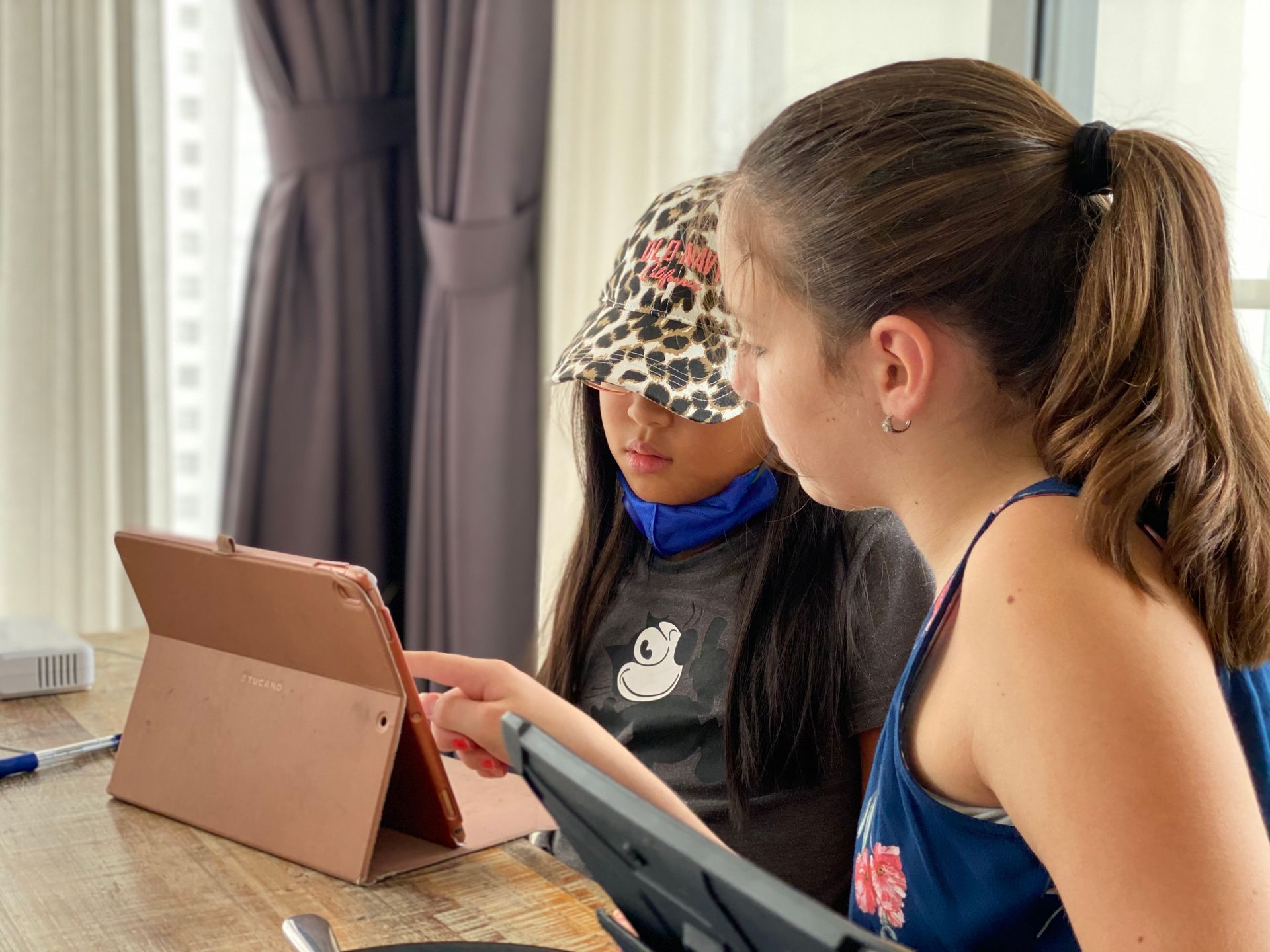
One-on-one learning is powerful for specific reasons:
- Every minute of class time is focused on your child
- The teacher can adapt instantly to how your child responds
- There's nowhere to hide—your child must engage fully
- Feedback is immediate and constant
Research confirms that one-to-one instruction consistently produces strong academic gains, particularly for children with foundational gaps in reading and literacy.
If your child is significantly behind and needs intensive, focused catch-up—1-on-1 has clear advantages.
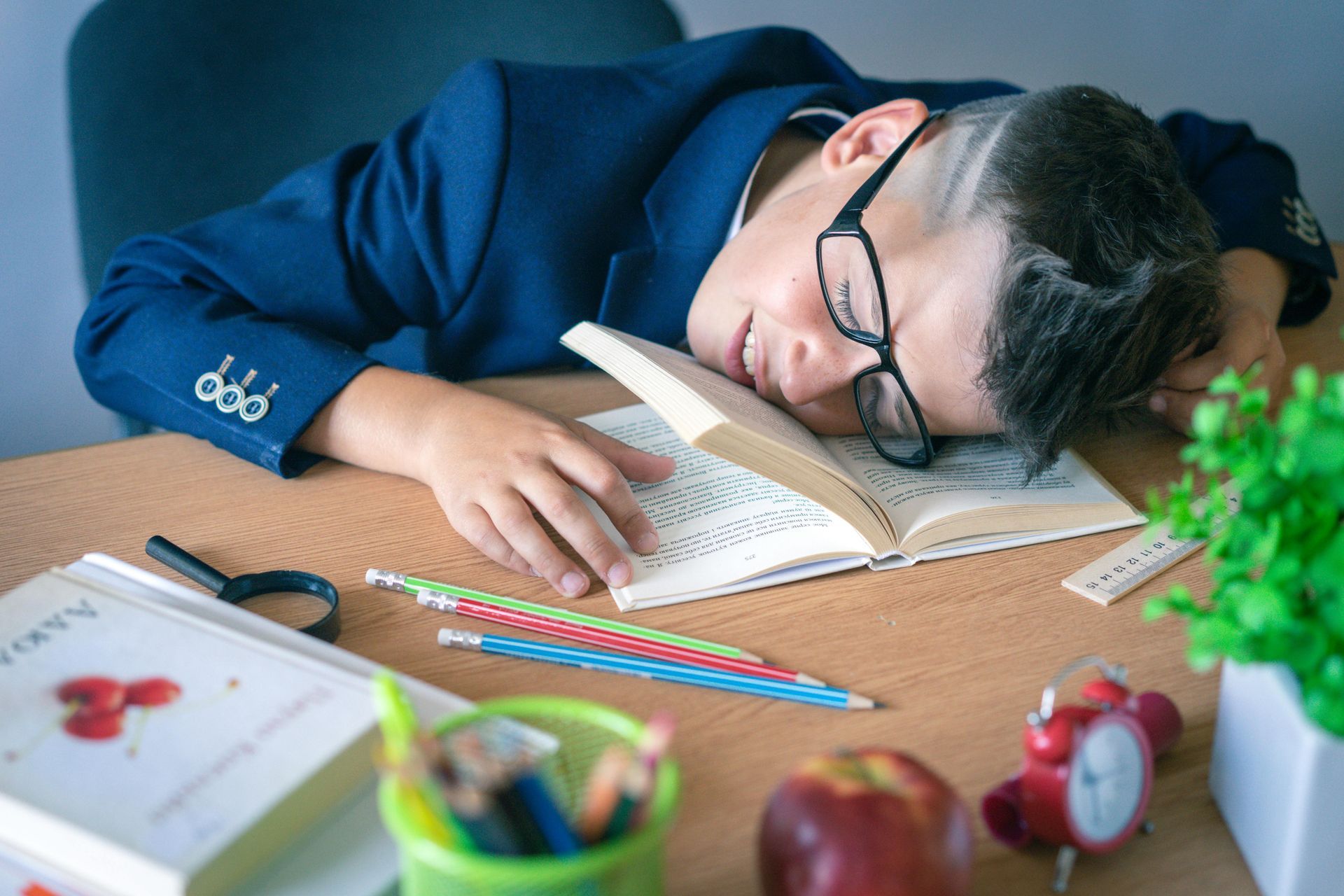
The Limits of 1-on-1
But one-on-one learning has a real weakness most parents don't consider.
Language is social.
Reading and writing may be individual skills, but confidence in using English—responding under pressure, forming answers in real time, understanding others—develops through interaction.
A child who only ever practises English one-on-one with an adult can struggle to transfer that skill in a classroom, in a test, in a conversation with peers.
There is also the pressure factor. Some children, particularly quieter or more anxious learners, find one-on-one sessions stressful. Without peers, there is no shared rhythm to the class—no moment to observe how someone else answers, no social cue that it's normal to get something wrong.
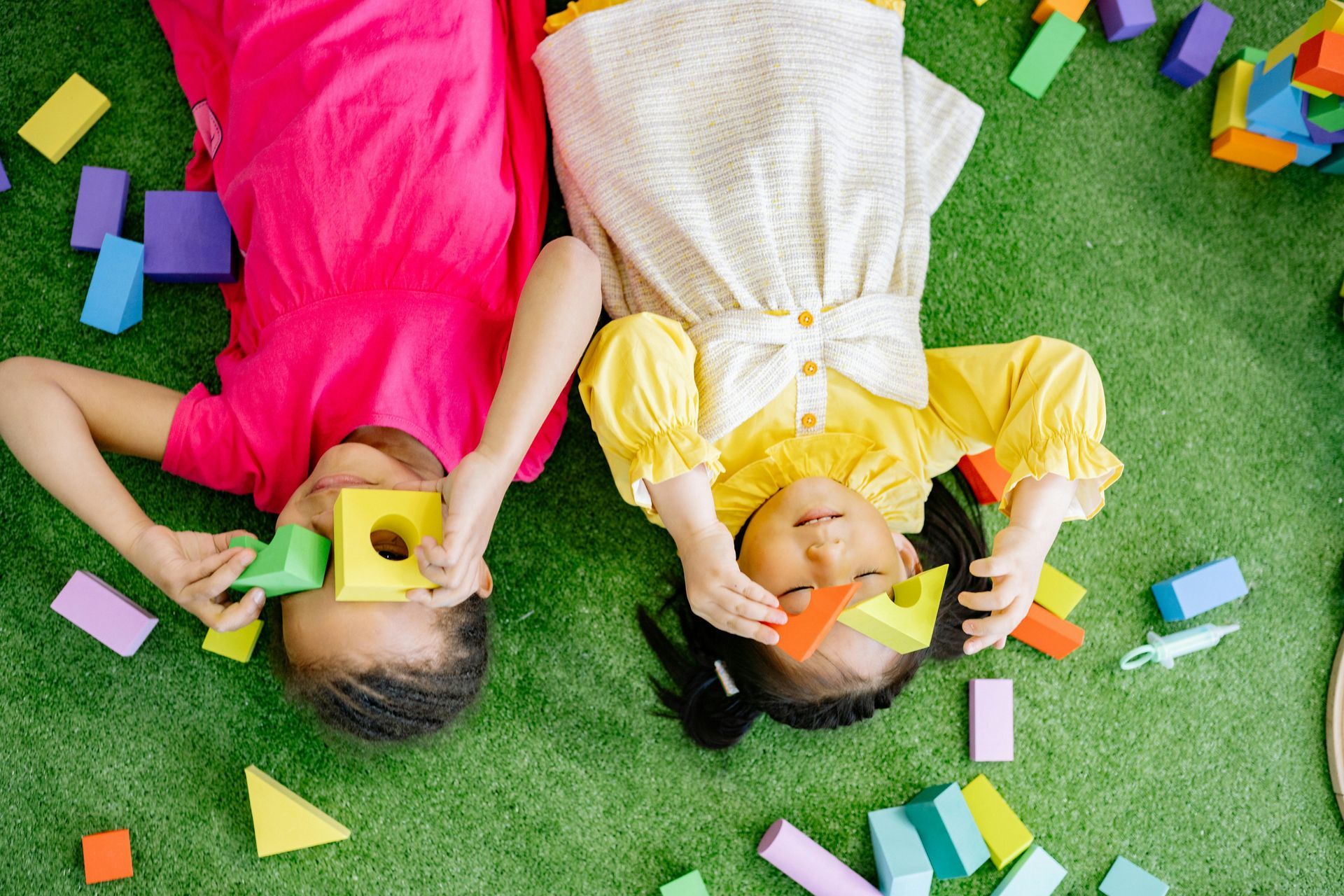
The Case for Small Group Learning
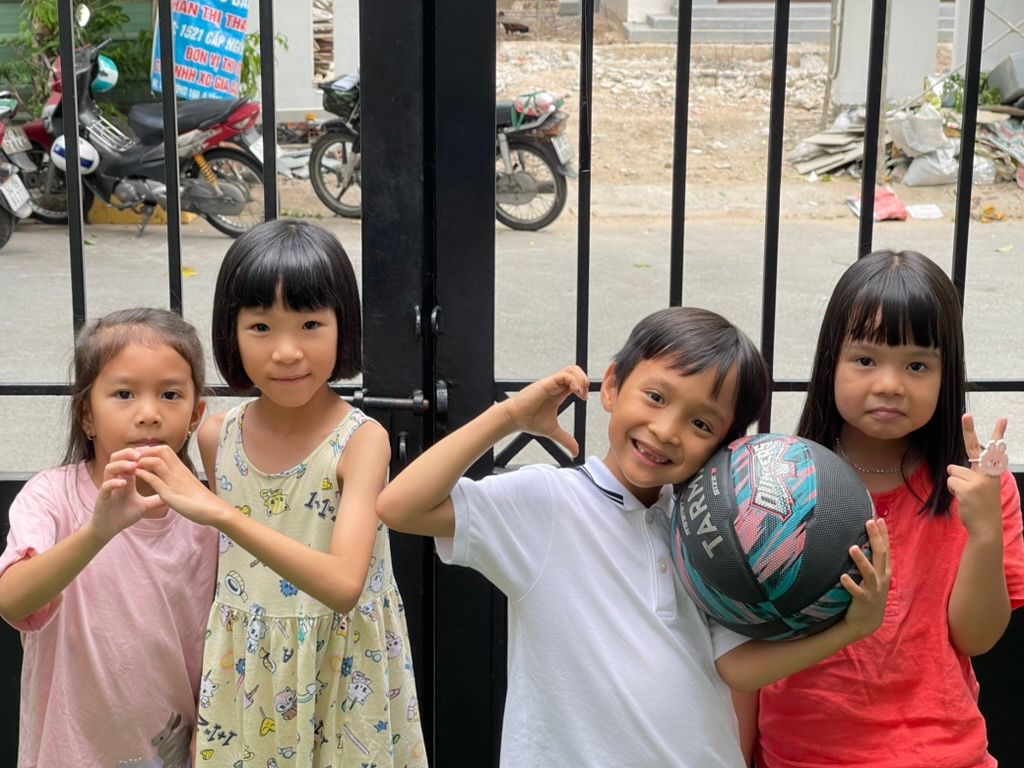
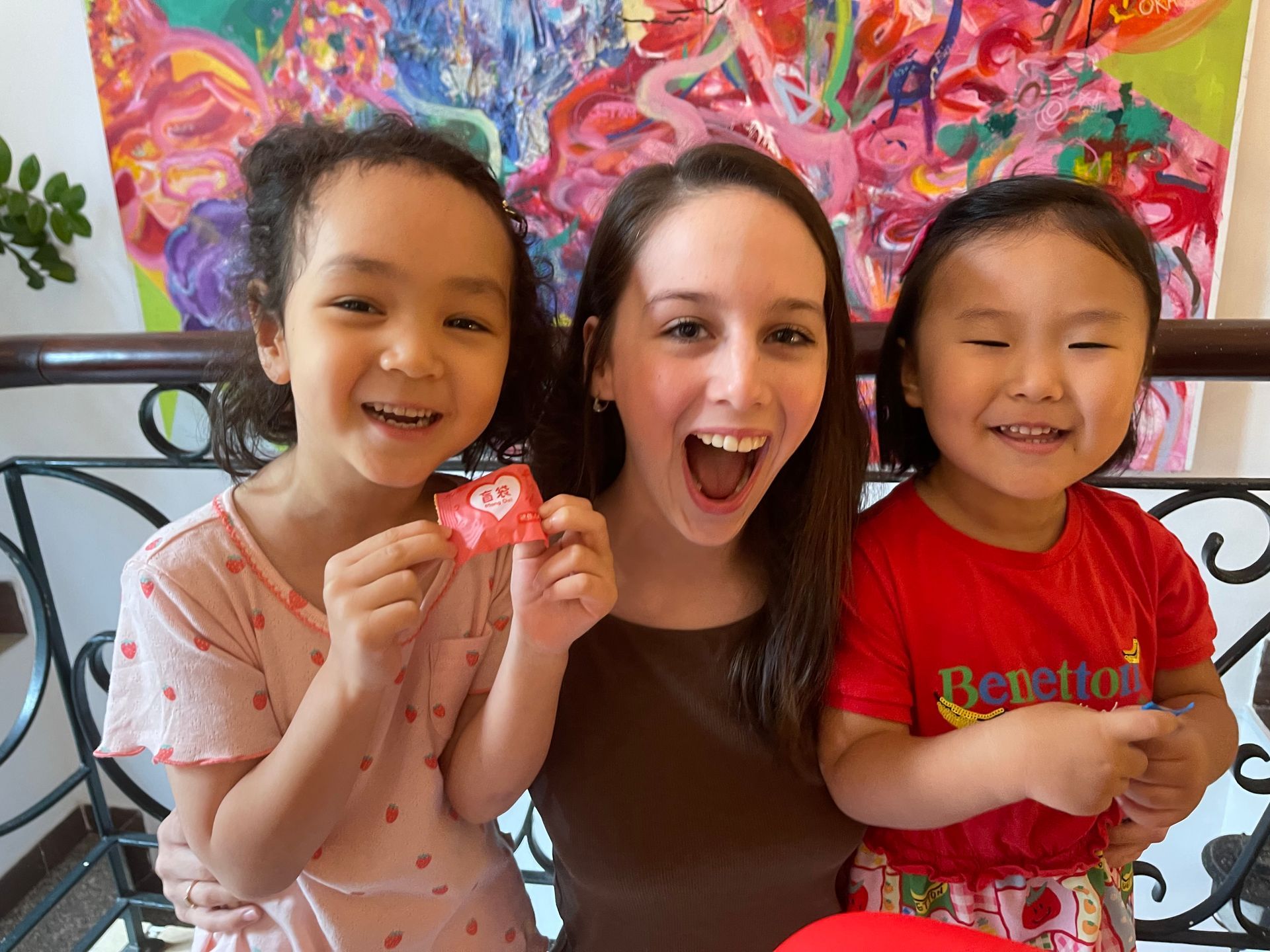
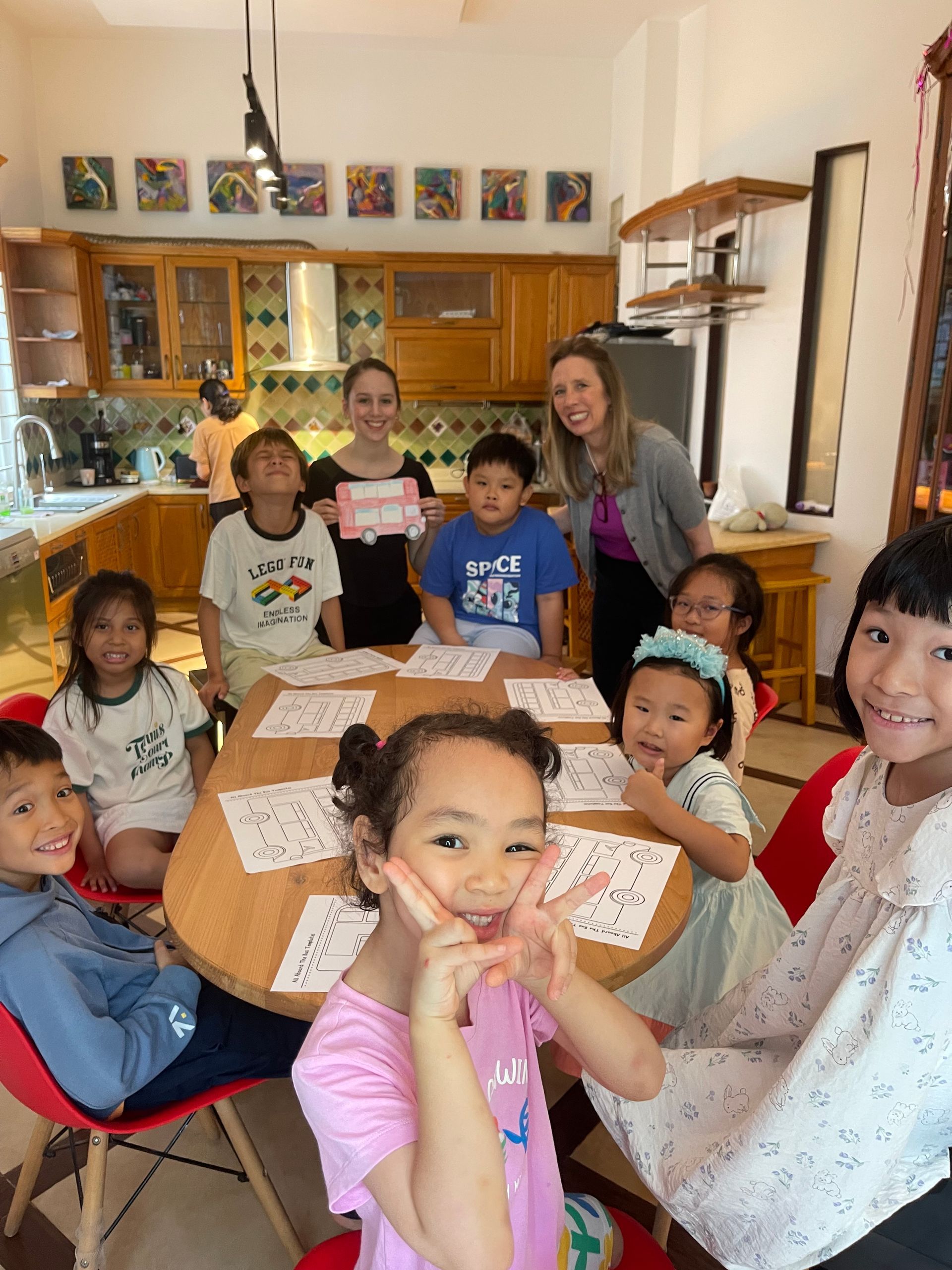
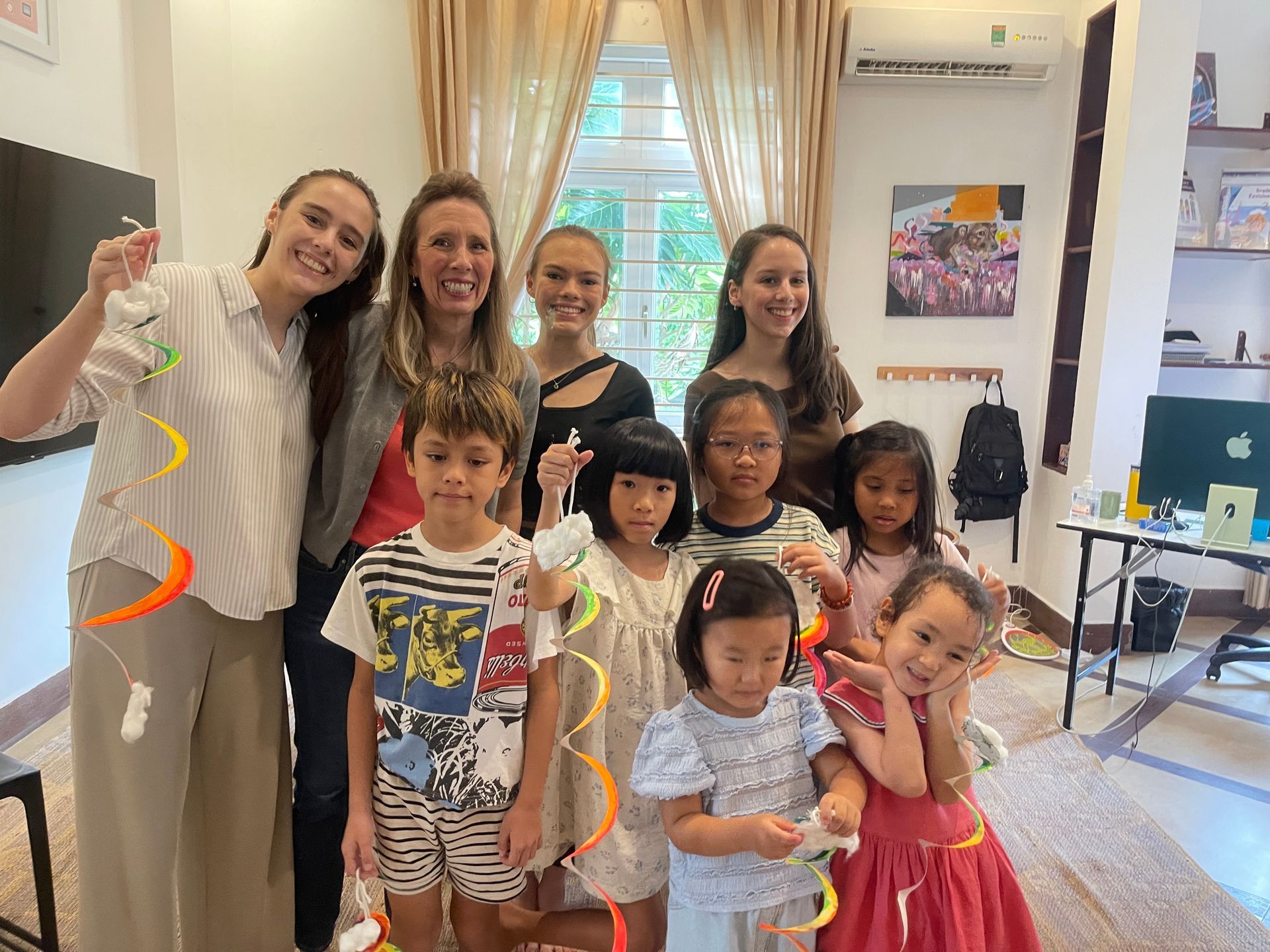
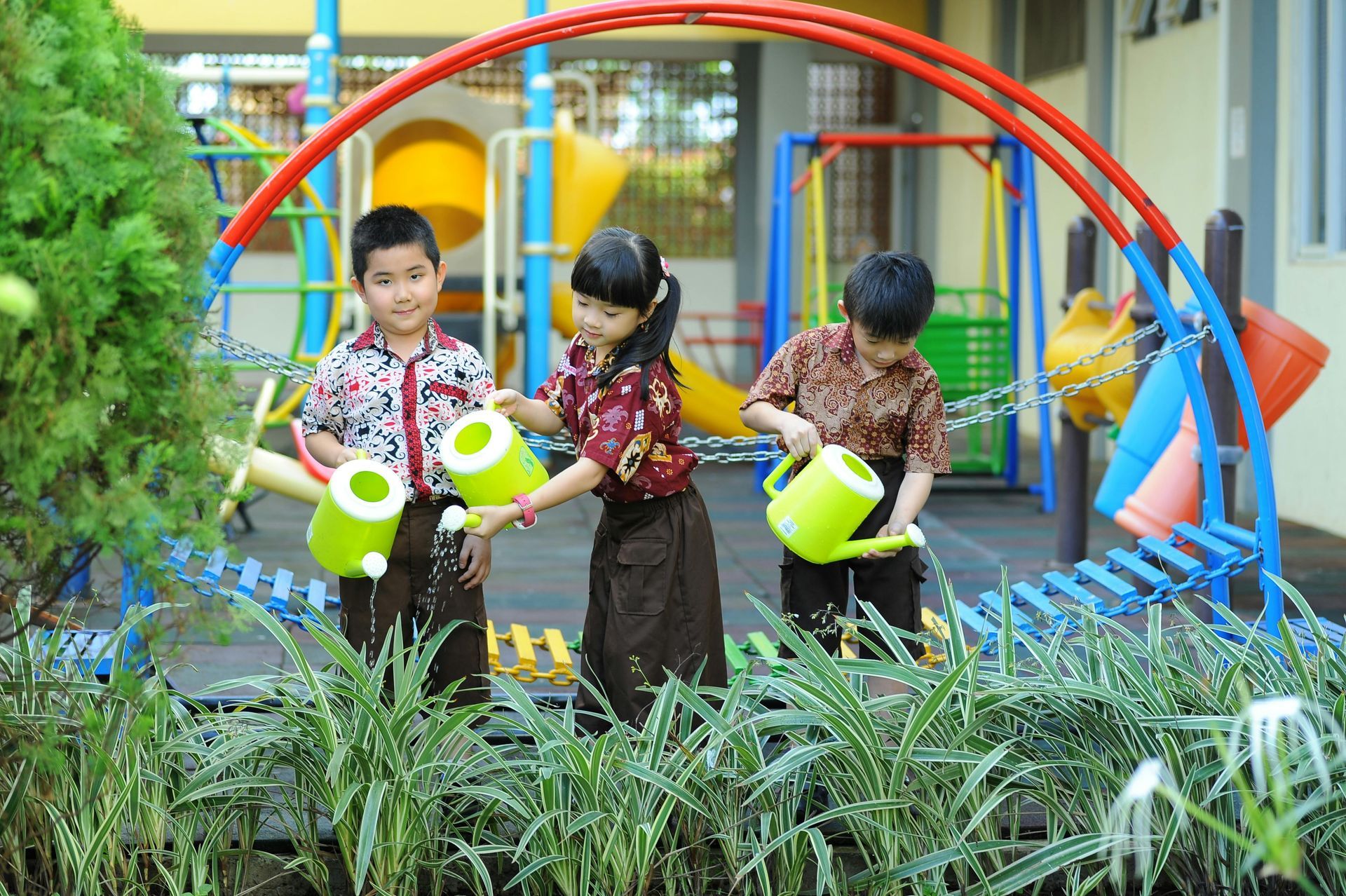
A small group—genuinely small, meaning 4 to 6 students—offers something different.
Education research is clear: groups of 2 to 4 students per teacher maintain most of the benefits of one-to-one instruction while adding peer interaction, shared learning energy, and lower per-session cost.
What a well-run small group delivers:
- Individualised attention within a shared learning environment
- Peer modelling (children learn by watching other children)
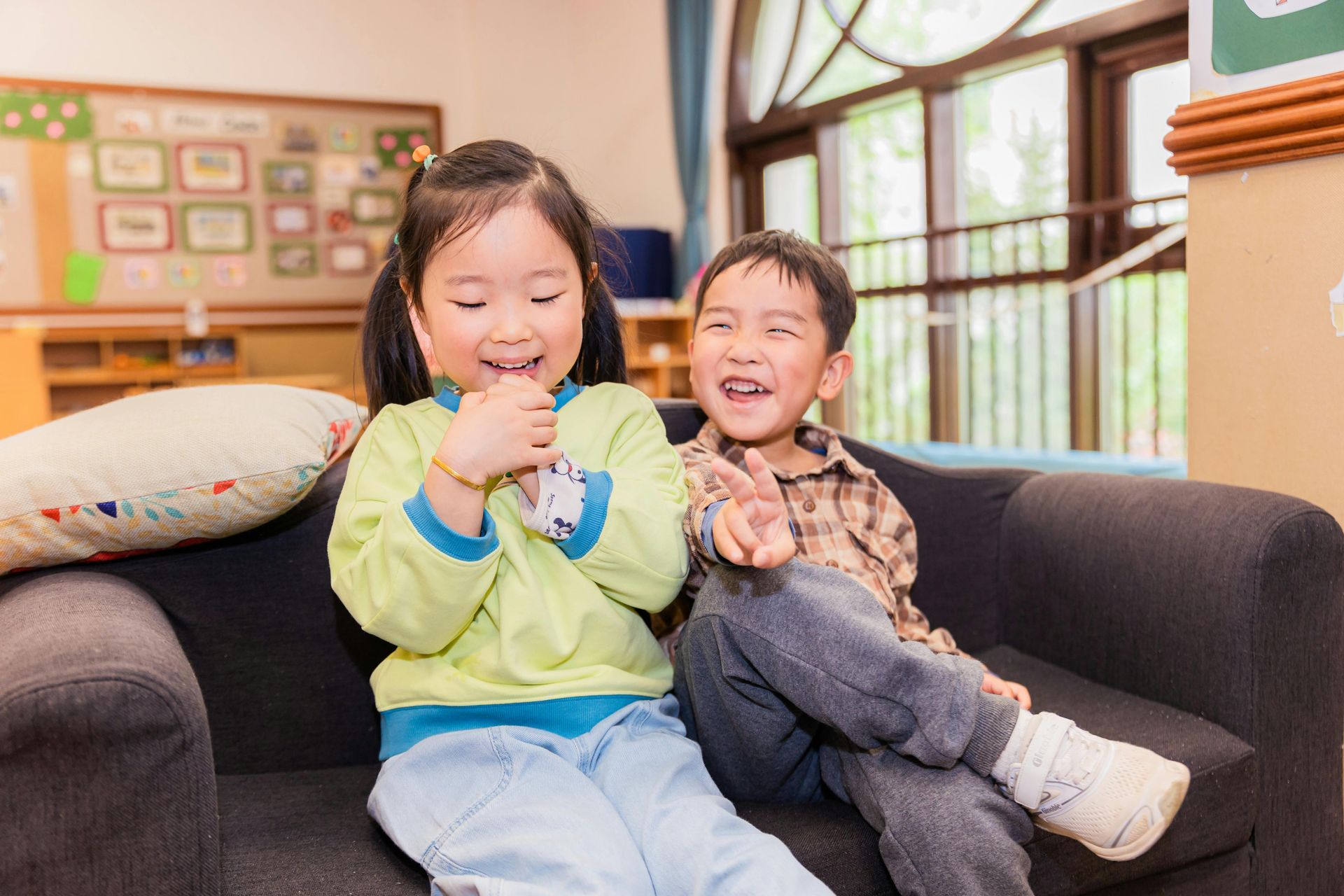
- Real-time social English practice
- A more natural classroom dynamic that mirrors school
- Improved confidence through shared experience
For most children building academic English for international school, a structured small group outperforms one-on-one tutoring—because school itself is a group setting.
The Number That Changes Everything: Class Size
Not all "small groups" are equal.
6 students is small. 12 is not. 20 is a regular class.
When a center advertises "small classes" and puts 15 students in a room, the individual attention disappears. The social learning benefit disappears. What's left is a standard class with a premium price tag.
The threshold that research supports: no more than 4 to 6 students per teacher for genuinely personalised small-group instruction.
At Spark English Center Vietnam, the maximum class size is 6 students. Every child is known. Every child's gaps are tracked.
Which Is Right for Your Child?
Use this as a starting point:
Consider 1-on-1 if:
- Your child has severe anxiety in group settings
- The gap is very narrow and urgent (specific exam preparation)
- You want total flexibility of schedule and content
Consider a structured small group if:
- Your child needs to build academic English for an international school
- Confidence in using English—not just knowing it—is part of the goal
- You want a curriculum, not just ad hoc support
- Long-term progress matters more than short-term convenience
For most children in HCMC's international school community, a structured small group with a maximum of 6 students is the most effective and sustainable path.
FAQs
Is 1-on-1 tutoring always more effective than group learning?
Not necessarily. For foundational skills like phonics, one-on-one has clear advantages. But for building the confidence and fluency needed in a school environment, a well-run small group is often more effective.
What class size counts as genuinely small?
Research supports groups of 2 to 4 students for near-equivalent outcomes to one-on-one. Up to 6 students still maintains meaningful individual attention. Beyond that, it becomes a standard class.
My child is shy. Won't a group make things harder?
For very shy children, a small, safe group is often better than one-on-one—because they can observe, listen, and participate at their own pace rather than being the sole focus.
How much does class size actually affect outcomes? Significantly. A class of 6 allows a teacher to adapt to each child's needs within a session. A class of 15 does not.
Can my child do both 1-on-1 and group sessions?
Yes, and some families find this combination effective—structured group sessions for curriculum progression, and occasional one-on-one sessions for specific exam preparation.
Want to know which type of learning is right for your child's current level and goals?
A free assessment at Spark English Center Vietnam gives you a clear, honest answer.